
Dr Vidya Shetty
About Me
Dr Vidya Shetty
MBBS
Gynecologist
25 Years Experience
Biography
My Clinic
OPD Hours
| Monday | Morning | 01:30 PM | - | 03:00 PM |
| Evening | 07:00 PM | - | 08:30 PM | |
| Tuesday | Morning | 01:30 PM | - | 03:00 PM |
| Evening | 07:00 PM | - | 08:30 PM | |
| Wednesday | Morning | 01:30 PM | - | 03:00 PM |
| Evening | 07:00 PM | - | 08:30 PM | |
| Thursday | Morning | 01:30 PM | - | 03:00 PM |
| Evening | 07:00 PM | - | 08:30 PM | |
| Friday | Morning | 01:30 PM | - | 03:00 PM |
| Evening | 07:00 PM | - | 08:30 PM | |
| Saturday | Morning | 01:30 PM | - | 03:00 PM |
| Evening | 07:00 PM | - | 08:30 PM |
Treatments
Specialised care and treatments offered
INFERTILITY EVALUATION
The inability to conceive after one year of unprotected intercourse is classified as infertility. A thorough evaluation is essential for identifying potential causes so appropriate interventions may be applied effectively .
- Symptoms: Women experiencing irregular ovulation patterns or those who’ve had recurrent miscarriages might seek an infertility evaluation .
- Diagnosis Procedures: Evaluations typically involve hormonal assessments , ultrasound examinations of reproductive organs along with semen analysis in couples attempting conception .
- Treatment Options: Depending on findings from evaluations treatments vary considerably - ranging from medication aimed at facilitating ovulation all the way through assisted reproductive technologies like IVF depending on severity .
- Outcome Expectations: Many couples benefit greatly from structured evaluations leading them toward successful pregnancy endeavors with timely interventions initiated based upon identified underlying factors discussed collaboratively between patient & provider alike!
Infertility concerns require compassionate care & informed decision-making every step along this journey !
CHRONIC PELVIC PAIN
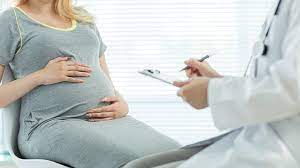
This condition refers to persistent pain in the lower abdomen lasting six months or longer. It can stem from various sources including infection or structural abnormalities within the pelvic region.
- Causal Factors: Conditions like endometriosis or pelvic inflammatory disease often contribute to chronic pelvic pain presentations.
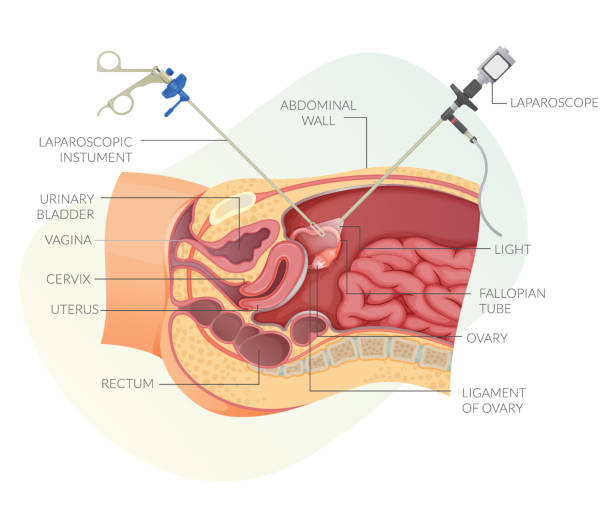
- Diagnosis: A comprehensive assessment including medical history review , physical examination , imaging studies ,and possibly diagnostic laparoscopy when necessary determines underlying causes .
- Treatment Approaches: Depending on the cause , treatment could involve lifestyle adjustments , medication for pain relief , physiotherapy interventions , or surgical solutions where indicated .
- Managing Expectations: Addressing chronic pelvic pain typically necessitates an individualized plan ; patients should engage actively with healthcare providers throughout treatment processes .
Seeking help early can lead patients toward effective solutions tailored specifically around their unique concerns .
MENOPAUSE MANAGEMENT
The transition into menopause can bring about various physical and emotional challenges due to hormonal changes. Understanding these changes is essential for effective management.
- Symptoms: Common symptoms include hot flashes, mood swings, sleep disturbances, and vaginal dryness.
- Diagnosis: Menopause is typically diagnosed after 12 consecutive months without a menstrual period; hormone level testing can confirm this transition if needed.
- Treatment Options: Management strategies range from lifestyle modifications to hormone replacement therapy (HRT) aimed at alleviating symptoms and preventing bone loss.
- What to Expect: With appropriate guidance and treatment options available today, many women navigate this phase with greater ease than in the past.
A proactive approach towards menopause can enhance overall health and wellbeing during this life stage.
UTERINE FIBROIDS
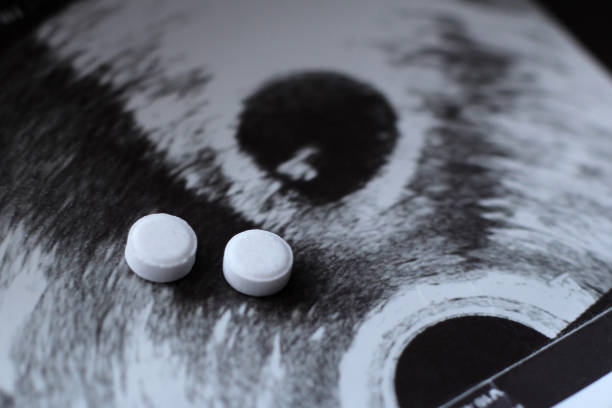
Uterine fibroids are noncancerous growths that develop in the uterus. While they are often asymptomatic, some women experience significant symptoms that require attention.
- Symptoms: Heavy menstrual bleeding, prolonged periods, pelvic pain or pressure are potential indicators of fibroids.
- Diagnosis: Diagnosis is generally made via ultrasound or MRI; physical examinations may also reveal larger fibroids during routine checks.
- Treatment Options: Treatment may involve watchful waiting for smaller fibroids or medications for symptom relief. Surgical options include myomectomy or hysterectomy in severe cases.
- What to Expect: Most women see improvement in symptoms post-treatment; however, ongoing monitoring may be necessary depending on size and location of the fibroids.
A thorough evaluation helps determine the best management plan tailored specifically to each patient’s condition.
ENDOMETRIOSIS

This condition occurs when tissue similar to the lining inside the uterus grows outside it, causing pain and other symptoms. Endometriosis can affect a woman's fertility if left untreated.
- Symptoms: Common signs include chronic pelvic pain, painful periods, pain during intercourse, and infertility.
- Diagnosis: Diagnosed through pelvic exams, imaging tests such as ultrasounds or MRIs, and sometimes laparoscopy for direct observation.
- Treatment Options: Management typically involves pain relievers, hormonal therapies, or surgical options depending on severity.
- What to Expect: Timely intervention can significantly alleviate pain and improve fertility outcomes for affected women.
Coping with endometriosis requires a comprehensive approach tailored to individual needs.
POLYCYSTIC OVARY SYNDROME (PCOS)

Polycystic Ovary Syndrome, commonly known as PCOS, is a hormonal disorder that affects women during their reproductive years. It can lead to various symptoms and complications if not managed properly.
- Symptoms: Irregular menstrual cycles, excessive hair growth (hirsutism), acne, and weight gain are common signs.
- Diagnosis: Typically diagnosed through a combination of medical history review, physical exam, blood tests to check hormone levels, and ultrasound imaging.
- Treatment Options: Management may include lifestyle changes such as diet and exercise. Medications like hormonal contraceptives or insulin sensitizers may also be prescribed.
- What to Expect: With appropriate treatment, many women can regulate their menstrual cycles and improve symptoms significantly.
Early diagnosis and proactive management are crucial for improving quality of life for those affected by PCOS.