
Dr Vidyashankar
About Me
Dr Vidyashankar
General Physician
Biography
My Clinic
OPD Hours
| Tuesday | Morning | 10:00 AM | - | 02:00 PM |
| Evening | 06:00 PM | - | 09:00 PM | |
| Wednesday | Morning | 10:00 AM | - | 02:00 PM |
| Evening | 06:00 PM | - | 09:00 PM | |
| Thursday | Morning | 10:00 AM | - | 02:00 PM |
| Evening | 06:00 PM | - | 09:00 PM | |
| Friday | Morning | 10:00 AM | - | 02:00 PM |
| Evening | 06:00 PM | - | 09:00 PM | |
| Saturday | Morning | 10:00 AM | - | 02:00 PM |
| Evening | 06:00 PM | - | 09:00 PM | |
| Sunday | Morning | 10:00 AM | - | 02:00 PM |
| Evening | 06:00 PM | - | 09:00 PM | |
| Thursday | Morning | 10:00 AM | - | 02:00 PM |
| Evening | 06:00 PM | - | 09:00 PM |
Treatments
Specialised care and treatments offered
IMMUNIZATIONS

The importance of immunizations cannot be overstated; they protect individuals from various infectious diseases that could have serious consequences. Keeping up-to-date with vaccines is crucial for community health as well as personal safety.
- Disease Prevention: Vaccines work by stimulating the immune system to recognize harmful pathogens without causing the disease itself—an effective way to build immunity against illnesses like influenza or hepatitis B.
ANNUAL PHYSICAL EXAM
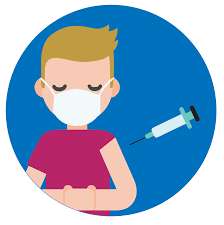
An annual physical exam plays a key role in preventive care. This comprehensive check-up evaluates your overall health status while identifying potential health risks before they become serious issues.
- Routine Examination: The assessment typically includes checking vital signs such as weight, height, blood pressure, heart rate, and possibly lab tests based on individual risk factors.
- Disease Prevention: This visit allows the doctor to assess risk factors for various chronic diseases through detailed discussions about medical history and lifestyle choices.
- Treatment Recommendations: Based on findings during the exam, personalized recommendations for vaccinations or screening tests might be provided to enhance preventive care further.
A consistent approach toward annual check-ups fosters a proactive stance in maintaining good health throughout life stages.
CHOLESTEROL SCREENING
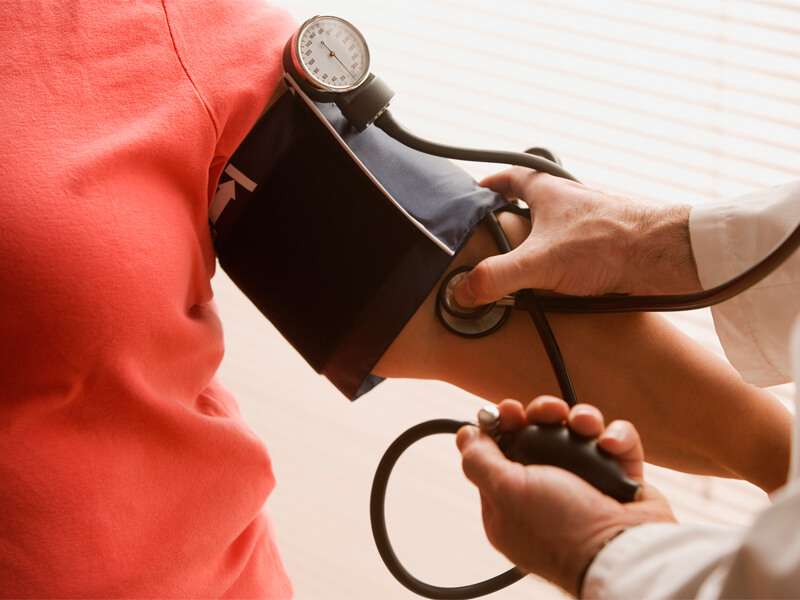
An integral part of preventive healthcare is cholesterol screening. Monitoring cholesterol levels helps assess cardiovascular health and guides lifestyle modification efforts.
- Symptoms: High cholesterol typically presents no immediate symptoms but increases the risk of heart diseases over time.
- Diagnosis: A simple blood test called a lipid panel measures total cholesterol, LDL (bad), HDL (good), and triglyceride levels.
- Treatment Options: Lifestyle changes like diet and exercise are first-line strategies; if needed, medications such as statins may be prescribed by your physician.
- What to Expect: Follow-up screenings are essential to track progress in lowering cholesterol levels effectively and understanding overall cardiovascular risks.
Catching elevated cholesterol early can make a significant difference in long-term heart health management.
DIABETES SCREENING

Diabetes screening is crucial for early detection of diabetes, which can prevent the onset of severe health concerns. This process usually involves measuring blood glucose levels.
- Symptoms: Symptoms may include increased thirst, frequent urination, fatigue, and blurred vision. Some individuals show no signs at all.
- Diagnosis: Blood tests such as fasting plasma glucose or HbA1c are standard practices for diagnosing diabetes.
- Treatment Management: Depending on the diagnosis, lifestyle alterations along with medications or insulin therapy may be necessary.
- What to Expect: Regular follow-ups are important to monitor glucose levels and adjust treatment options accordingly for effective management.
This preventative approach is vital for avoiding complications associated with diabetes.
HYPERTENSION
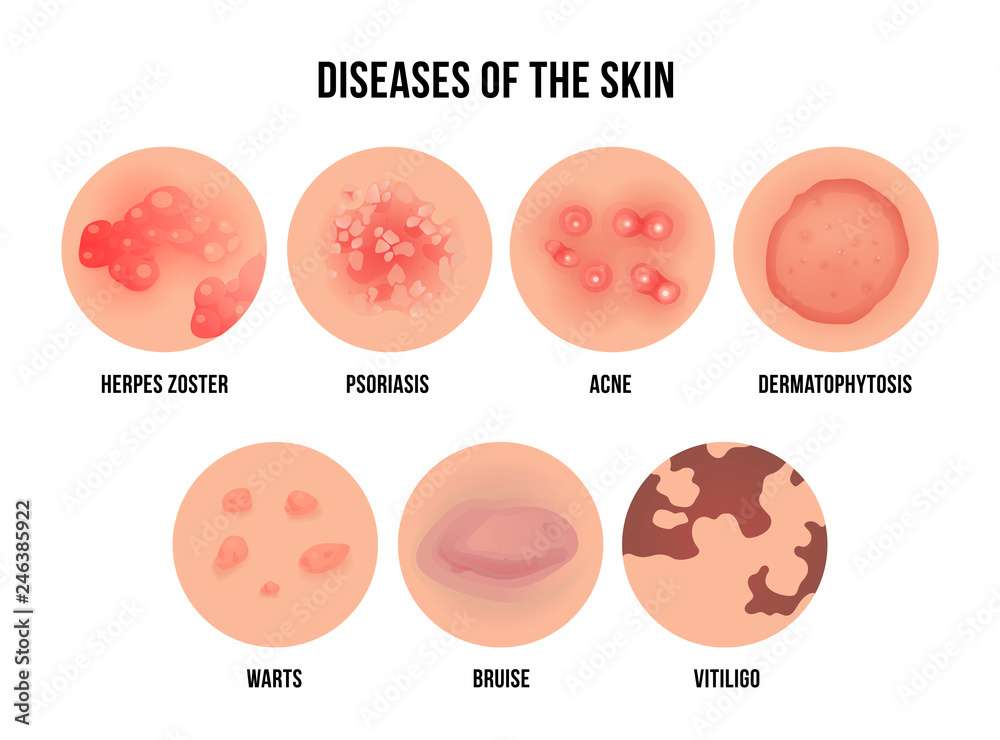
Hypertension, commonly referred to as high blood pressure, is a condition that often goes unnoticed until serious health issues arise. It can lead to severe complications if left untreated.
- Symptoms: Many individuals may not experience noticeable symptoms; however, some may suffer from headaches, shortness of breath, or nosebleeds.
- Diagnosis: A healthcare professional will measure your blood pressure using a sphygmomanometer and may conduct additional tests to evaluate underlying health conditions.
- Treatment Options: Management often includes lifestyle changes such as dietary modifications and regular physical activity. Medications may also be prescribed based on severity.
- What to Expect: Regular monitoring and adjustments in treatment help maintain optimal blood pressure levels and reduce the risk of heart disease or stroke.
The proactive management of hypertension is essential for maintaining overall health and preventing future complications.