
Dr Vijay Agarwal
About Me
Dr Vijay Agarwal
Cardiologist
Biography
My Clinic
OPD Hours
| Tuesday | Morning | 10:00 AM | - | 02:00 PM |
| Evening | 06:00 PM | - | 09:00 PM | |
| Wednesday | Morning | 10:00 AM | - | 02:00 PM |
| Evening | 06:00 PM | - | 09:00 PM | |
| Thursday | Morning | 10:00 AM | - | 02:00 PM |
| Evening | 06:00 PM | - | 09:00 PM | |
| Friday | Morning | 10:00 AM | - | 02:00 PM |
| Evening | 06:00 PM | - | 09:00 PM | |
| Saturday | Morning | 10:00 AM | - | 02:00 PM |
| Evening | 06:00 PM | - | 09:00 PM | |
| Sunday | Morning | 10:00 AM | - | 02:00 PM |
| Evening | 06:00 PM | - | 09:00 PM | |
| Thursday | Morning | 10:00 AM | - | 02:00 PM |
| Evening | 06:00 PM | - | 09:00 PM |
Treatments
Specialised care and treatments offered
ARRHYTHMIAS

An arrhythmia refers to any disturbance in the normal rhythmic beating pattern of the heart. While some arrhythmias are harmless, others can pose significant health risks requiring careful evaluation and management strategies.
- Symptoms: Individuals might notice palpitations (feeling of skipped beats), dizziness or lightheadedness; severe cases could lead to fainting spells or sudden cardiac arrest.
- Causes: Contributing factors include congenital defects in the heart's electrical pathways along with existing conditions like prior myocardial infarction or electrolyte imbalances due to medication side effects or other illnesses
HEART FAILURE
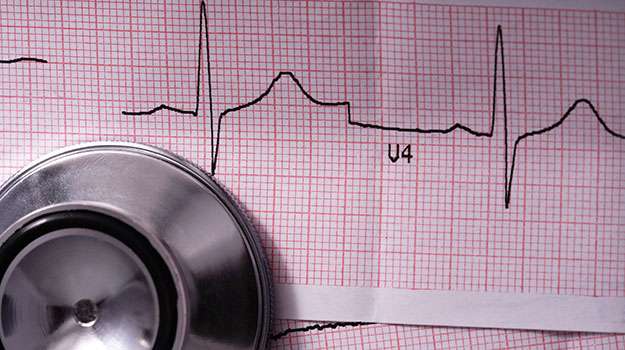
This complex syndrome occurs when the heart is unable to pump sufficiently to maintain blood flow to meet the body's needs. Heart failure can develop gradually and may manifest through various symptoms depending on severity.
- Symptoms: Patients may experience fatigue, swollen legs or ankles (edema), persistent cough or wheezing due to fluid accumulation in lungs, and rapid heartbeat.
- Causes: The primary causes include coronary artery disease, prior heart attacks, hypertension or conditions affecting the heart muscle itself like cardiomyopathy.
- Diagnosis: Diagnosis typically involves echocardiograms alongside blood tests assessing brain natriuretic peptide (BNP) levels which indicate heart function quality.
- Treatment Options: Management strategies encompass lifestyle adjustments alongside medications such as ACE inhibitors and diuretics aimed at easing strain on the heart while controlling fluid retention issues. In some cases implantable devices may be necessary.
A proactive approach leads to better outcomes for those living with heart failure by focusing on symptom relief and overall wellness enhancements through tailored healthcare plans.
CORONARY ARTERY DISEASE
This condition arises from the buildup of plaque in the coronary arteries, which supply blood to the heart muscle. Over time, this narrowing can lead to chest pain and even heart attacks if not addressed promptly.
- Symptoms: Common indicators include angina (chest pain), fatigue with exertion, and shortness of breath.
- Causes: Major risk factors include high cholesterol levels, smoking habits, high blood pressure, diabetes, and a sedentary lifestyle.
- Diagnosis: Healthcare providers utilize stress tests, imaging studies (like angiograms), and blood tests to evaluate heart function.
- Treatment Options: Treatments may involve lifestyle changes aimed at heart health as well as medications like statins or even surgical interventions such as angioplasty or bypass surgery in advanced cases.
- What to Expect: A tailored treatment plan will help manage symptoms and improve quality of life; ongoing assessment is crucial for long-term success.
The management of CAD focuses on minimizing risks while enhancing cardiovascular strength through comprehensive care strategies.
HYPERTENSION
Hypertension, or high blood pressure, is a common health condition that can lead to serious complications if left unmanaged. It often presents without clear symptoms, making regular monitoring essential for identifying and managing this risk factor.
- Symptoms: Many individuals with hypertension may not experience noticeable signs. However, some might report headaches, shortness of breath, or nosebleeds.
- Causes: Factors contributing to hypertension include genetics, poor diet, lack of physical activity, obesity, and stress.
- Diagnosis: Blood pressure is measured using a sphygmomanometer during routine check-ups. Additional tests may be required to assess organ function.
- Treatment Options: Lifestyle modifications such as adopting a heart-healthy diet (like the DASH diet), regular exercise, reducing sodium intake, and maintaining a healthy weight are crucial. Medications may also be prescribed when necessary.
- What to Expect: Regular follow-up appointments will help monitor your blood pressure and adjust treatment as needed to maintain optimal levels.
The importance of managing hypertension cannot be overstated; effective control can prevent long-term health issues such as heart disease and stroke.