
Dr Vijay Bang
About Me
Dr Vijay Bang
Cardiologist
Biography
My Clinic
OPD Hours
| Tuesday | Morning | 10:00 AM | - | 02:00 PM |
| Evening | 06:00 PM | - | 09:00 PM | |
| Wednesday | Morning | 10:00 AM | - | 02:00 PM |
| Evening | 06:00 PM | - | 09:00 PM | |
| Thursday | Morning | 10:00 AM | - | 02:00 PM |
| Evening | 06:00 PM | - | 09:00 PM | |
| Friday | Morning | 10:00 AM | - | 02:00 PM |
| Evening | 06:00 PM | - | 09:00 PM | |
| Saturday | Morning | 10:00 AM | - | 02:00 PM |
| Evening | 06:00 PM | - | 09:00 PM | |
| Sunday | Morning | 10:00 AM | - | 02:00 PM |
| Evening | 06:00 PM | - | 09:00 PM | |
| Thursday | Morning | 10:00 AM | - | 02:00 PM |
| Evening | 06:00 PM | - | 09:00 PM |
Treatments
Specialised care and treatments offered
ECHOCARDIOGRAM INTERPRETATION

An echocardiogram is a key diagnostic tool used by cardiologists to visualize heart structures and assess function through sound waves. This non-invasive test provides valuable insights into various cardiac conditions.
- What It Reveals : Echocardiograms showcase heart chambers' size & wall motion alongside valvular function providing ample detail regarding overall cardiac health.< li >How It's Done < li >Indicators For Use < li >Analysis By Specialist
This insightful imaging modality enhances clinician-patient communication regarding coronary concerns thereby informing future treatment directives effectively.
DIABETES SCREENING
The link between diabetes and cardiovascular disease is significant; thus regular screening is vital for those at risk. Early detection of abnormal glucose levels aids in managing potential complications related to the heart.
- Symptoms of Diabetes: Increased thirst, frequent urination, blurred vision are common indicators warranting screening consideration.
- Diagnostic Tests : Fasting blood sugar tests or HbA1c assessments measure how well the body maintains glucose levels over time.
- Treatment Options: Lifestyle changes such as improved diet and exercise remain foundational in managing diabetes along with possible medication interventions.
- Impact on Heart Health: Controlled blood sugar levels drastically reduce the risk of further cardiovascular complications associated with diabetes.
Proactive diabetes screening enables individuals to manage their health better while minimizing risks linked to uncontrolled glucose levels affecting cardiovascular stability.
ARRHYTHMIA MANAGEMENT
An arrhythmia refers to an irregular heartbeat that can affect how well the heart pumps blood throughout the body. Understanding this condition promotes better management practices among patients.
- Symptoms: Patients may experience palpitations, dizziness, fatigue, or even fainting spells due to arrhythmias.
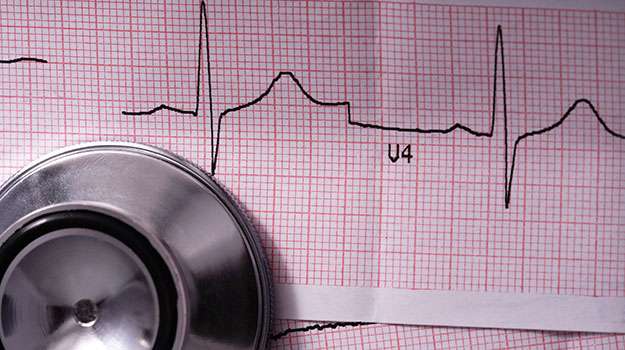
- Diagnostic Methods: Electrocardiograms (ECGs) provide essential insights into the heart's rhythm patterns during clinical evaluations.
- Treatment Approaches: Treatment options range from lifestyle changes and medication regimens to more invasive procedures like catheter ablation aimed at restoring normal rhythm.
Catching arrhythmias early allows for effective treatment planning and minimizes potential complications that could arise from untreated episodes.
HEART DISEASE RISK ASSESSMENT
A heart disease risk assessment evaluates various factors contributing to an individual's likelihood of developing cardiovascular diseases. This proactive measure can help guide preventive strategies.
- Factors Assessed: Family history, age, lifestyle choices like smoking and physical inactivity are considered during assessment.
- Diagnosis: Physicians may perform blood tests or imaging studies alongside discussing personal health history for thorough evaluation.
- Treatment Options: Based on risk factors identified, recommendations could range from lifestyle modifications to medications for controlling risk factors like hypertension or diabetes.
- Follow-Up Care: Regular appointments ensure ongoing evaluation of risk and adjustment of management strategies over time.
This comprehensive approach empowers patients with knowledge about their heart health and encourages early intervention strategies when necessary.
CHOLESTEROL SCREENING
High cholesterol levels can significantly impact cardiovascular health by leading to heart disease or stroke. Regular screening is vital for identifying risky lipid levels.
- Causes: Poor diet, lack of exercise, and genetic factors contribute to elevated cholesterol levels.
- Diagnosis: A simple blood test known as a lipid panel measures total cholesterol, LDL (bad) cholesterol, HDL (good) cholesterol, and triglycerides.
- Treatment/Management: Depending on results, dietary changes, lifestyle adjustments, or medications may be recommended to manage cholesterol levels effectively.
- Expectations: Follow-up tests may be necessary to monitor progress and adjust treatment plans as needed for optimal heart health.
Routine cholesterol screenings play a critical role in preventing serious health issues associated with high cholesterol levels.
HYPERTENSION MANAGEMENT
Hypertension, often referred to as high blood pressure, is a condition that can lead to severe complications if left untreated. It is crucial for individuals to understand the implications of this condition and how it can be managed effectively.
- Symptoms: Many people do not experience noticeable symptoms; however, some may feel headaches, dizziness, or nosebleeds.
- Diagnosis: Diagnosis typically involves regular blood pressure measurements during medical consultations.
- Treatment Options: Lifestyle changes such as dietary modifications, increased physical activity, and medications work together to control hypertension.
- Management: Regular follow-ups with your healthcare provider are essential in monitoring your blood pressure and adjusting treatments as needed.
Understanding hypertension allows patients to take proactive steps toward maintaining their heart health and overall well-being.