
Dr Vijay Krishan
About Me
Dr Vijay Krishan
MS
Orthopaedic Surgeons
10 Years Experience
Biography
My Clinic
OPD Hours
| Monday | Morning | 10:00 AM | - | 02:00 PM |
| Evening | 06:00 PM | - | 09:00 PM | |
| Tuesday | Morning | 10:00 AM | - | 02:00 PM |
| Evening | 06:00 PM | - | 09:00 PM | |
| Wednesday | Morning | 10:00 AM | - | 02:00 PM |
| Evening | 06:00 PM | - | 09:00 PM | |
| Thursday | Morning | 10:00 AM | - | 02:00 PM |
| Evening | 06:00 PM | - | 09:00 PM | |
| Friday | Morning | 10:00 AM | - | 02:00 PM |
| Evening | 06:00 PM | - | 09:00 PM | |
| Saturday | Morning | 10:00 AM | - | 02:00 PM |
| Evening | 06:00 PM | - | 09:00 PM | |
| Sunday | Morning | 10:00 AM | - | 02:00 PM |
| Evening | 06:00 PM | - | 09:00 PM |
Treatments
Specialised care and treatments offered
FROZEN SHOULDER
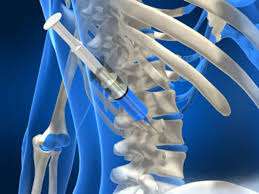
This debilitating condition involves stiffness and pain in the shoulder joint leading to limited mobility. Commonly referred to as adhesive capsulitis, it primarily impacts individuals aged between 40-60 years. Understanding frozen shoulder aids significantly towards timely intervention for optimal recovery outcomes among patients facing challenges associated this issue today .
- Key symptoms typically encompass dull aching sensations paired notable stiffness rendering simple arm movements difficult over time .
- Diagnosis frequently relies upon thorough evaluations including reviewing patient history coupled compatible radiological assessments verifying reduction movement consistency respectively .
- Initial stages emphasize managing discomfort involving application heat/cold modalities surrounding involved areas alongside regular physiotherapy sessions enhancing flexibility gradually once initial acute phase subsides accordingly .
- More persistent cases might necessitate consideration surgical options preferred by qualified practitioners approaches ensuring restoring full function safely without further complications arising perpetually thereafter .
- Adhering diligently prescribed therapeutic regimens ultimately empowers restoration normalcy facilitating overall improvements toward active lifestyles resuming daily routines seamlessly later down lane following completion successful case management trajectory until entirety resolved satisfactorily every individual uniquely henceforth depending respective circumstances experienced collectively quite naturally observed gradually above expectations altogether '. / p >
BURSITIS

Bursitis refers to inflammation of bursa sacs that cushion joints throughout your body. This condition most commonly occurs in major joints like shoulders, hips or knees when they undergo repetitive stress or injury. Understanding bursitis facilitates better prevention and treatment strategies among active individuals
- The most prevalent symptoms involve localized swelling along with tenderness surrounding affected joint areas after prolonged use or movement.
- Diagnosis mainly relies on physical examinations; diagnostic imaging might be employed if further assessment into suspected underlying conditions is necessary
- Non-surgical treatment options prominently feature rest alongside icing techniques combined with over-the-counter medications aiding symptomatic relief
- If conservative methods fall short , physicians may suggest corticosteroid injections targeting inflamed regions
- Adhering strictly to rehabilitation programs usually manifests favorable outcomes allowing restoration of full function over time
An informed patient-centric approach promotes optimal recovery from bursitis enabling individuals return confidently back to daily routines
CARPAL TUNNEL SYNDROME

This condition arises from pressure on the median nerve as it passes through the wrist's carpal tunnel. It often leads to symptoms such as numbness and tingling in the fingers. Recognizing early signs is important for effective management of carpal tunnel syndrome
- Main symptoms include hand weakness, aching sensations in hands or forearms, particularly during prolonged activities like typing or writing.
- A healthcare provider typically performs physical exams along with nerve conduction studies for an accurate diagnosis
- Treatment strategies initially focus on activity modification; wrist splints are commonly used to alleviate pressure on nerves during daily tasks
- Corticosteroid injections are additional options for reducing inflammation if non-invasive approaches fail
- With committed management efforts including ergonomic adaptations at workstations, many patients experience significant relief overtime
A comprehensive plan addressing both symptoms and root causes yields positive results for those suffering from carpal tunnel syndrome.
PLANTAR FASCIITIS

This common foot condition involves irritation of the plantar fascia ligament that supports the arch of your foot. The pain is usually felt at the bottom of the heel or in the arch area. Identifying effective treatments can significantly improve quality of life for those affected by this condition.
- The primary symptom is sharp heel pain during the first steps in the morning or after sitting for extended periods.
- A diagnosis generally relies on physical assessments and sometimes imaging tests to rule out other issues.
- Treatment often includes stretching exercises aimed at alleviating tension in the plantar fascia along with orthotic devices for proper foot support.
- Icing affected areas can help reduce inflammation while nonsteroidal anti-inflammatory drugs may relieve pain temporarily.
- Most individuals experience a marked improvement within several months with consistent adherence to these strategies.
A well-rounded approach combining rest and targeted exercises plays a key role in overcoming plantar fasciitis successfully.
TENDINITIS

Tendinitis is an inflammation of a tendon that can occur due to repetitive use or injury. It commonly affects areas such as the shoulders, elbows, wrists, knees, and heels. Understanding this condition is crucial for effective management.
- Common symptoms include localized pain around the affected joint that worsens with activity.
- A healthcare provider may diagnose tendinitis through a physical exam coupled with imaging tests like ultrasound or MRI to confirm inflammation.
- Treatment starts with rest and ice application, followed by stretching exercises to promote healing.
- Over-the-counter anti-inflammatory medications may provide relief from pain.
- With appropriate care, patients can anticipate significant improvement within weeks and a return to normal activities.
A proactive approach involving exercise modification can greatly aid recovery from tendinitis.
OSTEOARTHRITIS

Osteoarthritis is a degenerative joint disease that primarily affects the cartilage, leading to pain and stiffness in the affected joints. It commonly occurs with age but can also be influenced by previous injuries, obesity, and genetic factors.
- Symptoms include joint pain, swelling, and decreased range of motion.
- The diagnosis typically involves physical examinations, imaging tests such as X-rays or MRIs, and reviewing the patient's medical history.
- Treatment options often start with lifestyle modifications like weight loss, physiotherapy, and pain management through medications.
- In severe cases, joint injections or surgical interventions may be considered.
- Patients can expect gradual improvement with adherence to treatment plans and lifestyle changes.
Managing osteoarthritis effectively requires a holistic approach focusing on improving mobility and reducing discomfort.