
Dr Vijay Kumar B
About Me
Dr Vijay Kumar B
MD
Nephrologist
10 Years Experience
Biography
My Clinic
OPD Hours
| Monday | Morning | 10:00 AM | - | 02:00 PM |
| Evening | 06:00 PM | - | 09:00 PM | |
| Tuesday | Morning | 10:00 AM | - | 02:00 PM |
| Evening | 06:00 PM | - | 09:00 PM | |
| Wednesday | Morning | 10:00 AM | - | 02:00 PM |
| Evening | 06:00 PM | - | 09:00 PM | |
| Thursday | Morning | 10:00 AM | - | 02:00 PM |
| Evening | 06:00 PM | - | 09:00 PM | |
| Friday | Morning | 10:00 AM | - | 02:00 PM |
| Evening | 06:00 PM | - | 09:00 PM | |
| Saturday | Morning | 10:00 AM | - | 02:00 PM |
| Evening | 06:00 PM | - | 09:00 PM | |
| Sunday | Morning | 10:00 AM | - | 02:00 PM |
| Evening | 06:00 PM | - | 09:00 PM |
Treatments
Specialised care and treatments offered
POLYCYSTIC KIDNEY DISEASE (PKD)
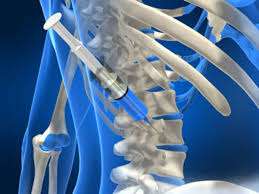
Polycystic Kidney Disease (PKD) is a genetic disorder characterized by numerous cysts on the kidneys, leading potentially to renal failure. Awareness regarding this disease facilitates timely interventions.
- The symptoms often include high blood pressure, back or side pain, headaches, and hematuria (blood in urine).
- Diagnosis generally involves imaging studies such as ultrasounds which reveal cyst presence alongside family medical history reviews .
- Management focuses on controlling symptoms—options may encompass pain relief methods , lifestyle adjustments like sodium restriction ,and regular monitoring for complications arising from cyst growth .
- Patients can expect tailored care with ongoing assessments designed towards preserving kidney functionality throughout their lives .
Supportive care plays an essential role in enhancing quality of life in individuals living with PKD .
PROTEINURIA MANAGEMENT

Proteinuria indicates excess protein in the urine—often a sign of an underlying kidney condition. Recognizing its implications is essential for ongoing health management.
- This condition often shows no symptoms initially but may occasionally present with foamy urine or swelling in various body areas due to protein loss.
- A simple urine test called a dipstick test helps diagnose proteinuria; more specific lab assessments could further evaluate its severity.
- Treatment strategies typically involve addressing any underlying issues causing the protein leakage—this could include controlling diabetes or hypertension effectively through medications and lifestyle adjustments
- Regular check-ups help monitor renal health while adapting treatment plans based on patient needs .
Early identification of proteinuria enhances long-term outcomes through effective intervention .
KIDNEY STONES

Kidney stones are solid mineral deposits that form in the kidneys and can cause significant pain when passing. Understanding prevention strategies is key to managing this condition effectively.
- Pain during urination, excruciating back pain, or nausea are common signs of kidney stones forming or moving within the urinary tract.
- Diagnosis usually involves imaging tests like ultrasound or CT scans along with urine analysis to identify stone composition.
- Treatment may include dietary changes aimed at reducing stone formation risk; hydration is crucial in helping flush out stones naturally。
- For larger stones or persistent pain, medical interventions may be necessary, but many pass spontaneously with adequate fluids.
Lifestyle adjustments play a critical role in preventing recurrence of kidney stones , leading to improved overall renal health .
ACUTE KIDNEY INJURY (AKI)

Acute Kidney Injury (AKI) occurs when the kidneys suddenly lose their ability to filter waste from the blood. Prompt identification and management are essential for recovery.
- The onset of AKI can be indicated by symptoms such as decreased urine output, swelling due to fluid retention, and elevated serum creatinine levels.
- Diagnosis is typically confirmed through laboratory tests alongside an assessment of patient history and potential triggers like dehydration or medication use.
- Treatment primarily focuses on addressing the underlying cause which may include intravenous fluids or adjusting medications that impact kidney function.
- A successful recovery might take time; frequent monitoring will help gauge kidney function improvement over time.
Early intervention in AKI can lead to full recovery and prevent further kidney damage
HYPERTENSION MANAGEMENT

Hypertension, or high blood pressure, is a common condition that can lead to severe complications if left untreated. Managing hypertension is vital for protecting overall kidney health and preventing cardiovascular diseases.
- This condition often has no symptoms but can lead to headaches and nosebleeds in advanced cases.
- Diagnosis includes measuring blood pressure during routine check-ups and may involve additional tests to rule out secondary causes.
- Treatment strategies encompass lifestyle changes such as dietary modifications, exercise regimens, and medications that lower blood pressure effectively.
- Patiens should anticipate consistent follow-up visits to monitor their blood pressure regularly and adjust treatment plans accordingly.
Efficacious management of hypertension significantly reduces the risk of chronic kidney disease progression.
CHRONIC KIDNEY DISEASE (CKD)

Chronic Kidney Disease (CKD) is a progressive condition where kidney function deteriorates over time. It often remains asymptomatic in the early stages, making regular screenings crucial for diagnosis.
- Symptoms may include fatigue, swollen ankles, and changes in urination patterns.
- Diagnosis typically involves blood tests to assess kidney function, such as measuring serum creatinine levels and calculating the glomerular filtration rate (GFR).
- Management options aim at slowing progression and may include medication for blood pressure control, dietary modifications, and lifestyle changes like increased physical activity.
- Patients can expect regular monitoring and individualised care plans to manage their health effectively.
With appropriate management, individuals with CKD can maintain a better quality of life while reducing complications.