
Dr Vijay Kumar Mi
About Me
Dr Vijay Kumar Mi
MBBS
General Physician
10 Years Experience
Biography
My Clinic
OPD Hours
| Monday | Morning | 10:00 AM | - | 02:00 PM |
| Evening | 06:00 PM | - | 09:00 PM | |
| Tuesday | Morning | 10:00 AM | - | 02:00 PM |
| Evening | 06:00 PM | - | 09:00 PM | |
| Wednesday | Morning | 10:00 AM | - | 02:00 PM |
| Evening | 06:00 PM | - | 09:00 PM | |
| Thursday | Morning | 10:00 AM | - | 02:00 PM |
| Evening | 06:00 PM | - | 09:00 PM | |
| Friday | Morning | 10:00 AM | - | 02:00 PM |
| Evening | 06:00 PM | - | 09:00 PM | |
| Saturday | Morning | 10:00 AM | - | 02:00 PM |
| Evening | 06:00 PM | - | 09:00 PM | |
| Sunday | Morning | 10:00 AM | - | 02:00 PM |
| Evening | 06:00 PM | - | 09:00 PM |
Treatments
Specialised care and treatments offered
DIABETIC KETOACIDOSIS (DKA)

This serious complication primarily affects people with diabetes when their body produces high levels of blood acids called ketones due to insulin deficiency. It requires urgent treatment to prevent life-threatening outcomes.
GASTROENTERITIS

This condition involves inflammation of the stomach and intestines, often due to viral or bacterial infections. It leads to digestive disturbances requiring supportive care.
- Main indicators & causes: Watery diarrhea, nausea, vomiting, cramps; frequently spread through contaminated food or water sources.
- Makes diagnosis by clinical presentation important, occasionally stool tests help identify specific pathogens for targeted therapy.
- Treatment measures include: Rehydration with oral fluids or IV fluids if required, rest and dietary adjustments; antibiotics are only used if bacterial cause is confirmed severe cases>. - The expected course: symptoms usually resolve within several days without complications but dehydration must be prevented especially among vulnerable populations.
URINARY TRACT INFECTION (UTI)
A urinary tract infection is a common illness involving infection in any part of the urinary system. It primarily affects the bladder and urethra in adults.
- Symptoms & causes: Burning sensation during urination, increased frequency, urgency, cloudy or strong-smelling urine; caused mostly by bacteria entering the urinary tract.
- Diagnostic procedures: Urine analysis and culture are standard for confirming infection and identifying the responsible organism.
- Treatment strategies: Oral antibiotics are prescribed based on sensitivity results; patients advised to increase fluid intake for flushing out bacteria.
- What patients can anticipate: Symptom relief typically begins within a couple of days after starting treatment; untreated infections may ascend causing kidney involvement which needs more aggressive therapy.
An uncomplicated UTI can be efficiently treated if diagnosed early. Preventive measures reduce recurrence risk significantly.
HYPERTENSIVE CRISIS
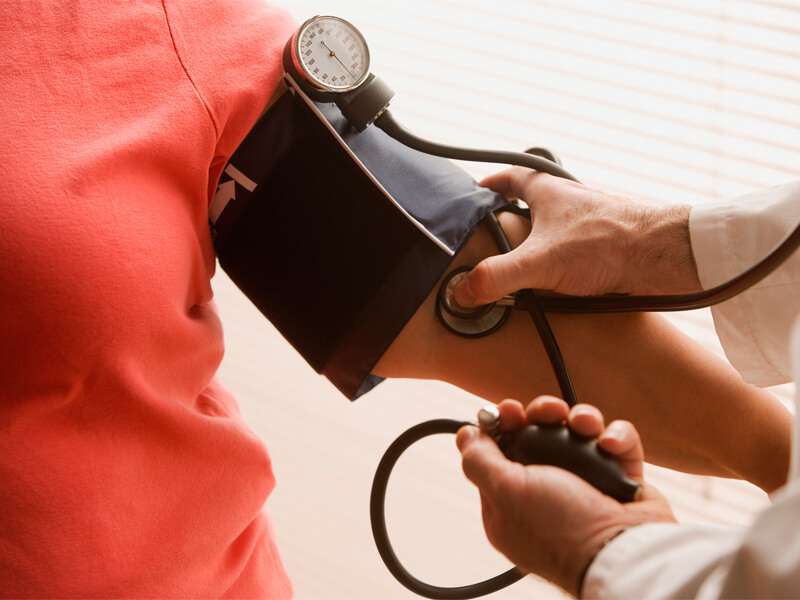
A hypertensive crisis occurs when blood pressure spikes to dangerously high levels, requiring immediate medical attention to prevent organ damage.
- Symptoms/causes: Severe headache, chest pain, shortness of breath, nosebleeds; can be triggered by uncontrolled hypertension or medication noncompliance.
- Diagnosis: Urgent measurement of blood pressure along with assessment for signs of organ damage including neurological exam and laboratory tests.
- Treatment/management: Rapid but controlled lowering of blood pressure using intravenous medications under close monitoring in a healthcare setting.
- Outcomes: Early intervention reduces risks of stroke, heart attack, or kidney failure; follow-up care focuses on long-term blood pressure control.
Recognizing symptoms early and seeking emergency care is crucial in managing this life-threatening complication of high blood pressure.
ACUTE BRONCHITIS

Acute bronchitis is an inflammation of the bronchial tubes that carry air to your lungs. It often follows a cold or respiratory infection and causes a persistent cough.
- Symptoms and causes: Includes cough with mucus, fatigue, slight fever, and chest discomfort; commonly caused by viruses.
- Diagnosis: Based on clinical evaluation including history of symptoms and physical examination; sometimes chest X-rays to rule out pneumonia.
- Treatment options: Mostly supportive care such as rest, fluids, cough suppressants, and sometimes inhalers; antibiotics are rarely needed unless bacterial infection is confirmed.
- What to expect: Symptoms usually improve in 1-3 weeks but cough can linger longer; complications are uncommon in healthy individuals.
This condition generally resolves without serious consequences but timely symptom management helps recovery and prevents worsening.