
Dr Vijay Kumar
About Me
Dr Vijay Kumar
MD
Oncologist
10 Years Experience
Biography
My Clinic
OPD Hours
| Monday | Morning | 10:00 AM | - | 02:00 PM |
| Evening | 06:00 PM | - | 09:00 PM | |
| Tuesday | Morning | 10:00 AM | - | 02:00 PM |
| Evening | 06:00 PM | - | 09:00 PM | |
| Wednesday | Morning | 10:00 AM | - | 02:00 PM |
| Evening | 06:00 PM | - | 09:00 PM | |
| Thursday | Morning | 10:00 AM | - | 02:00 PM |
| Evening | 06:00 PM | - | 09:00 PM | |
| Friday | Morning | 10:00 AM | - | 02:00 PM |
| Evening | 06:00 PM | - | 09:00 PM | |
| Saturday | Morning | 10:00 AM | - | 02:00 PM |
| Evening | 06:00 PM | - | 09:00 PM | |
| Sunday | Morning | 10:00 AM | - | 02:00 PM |
| Evening | 06:00 PM | - | 09:00 PM |
Treatments
Specialised care and treatments offered
BONE MARROW TRANSPLANT
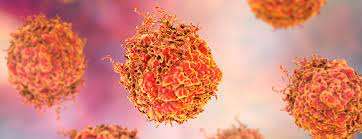
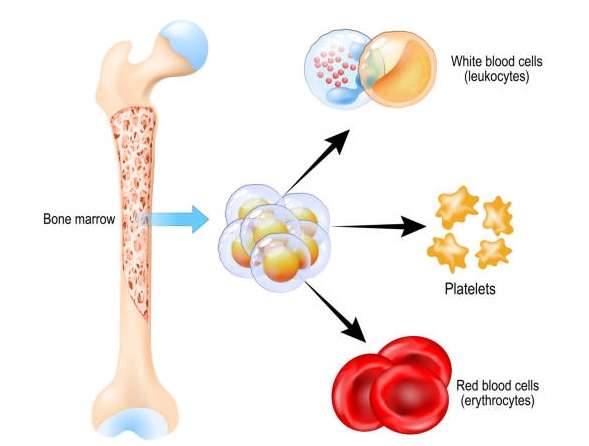
Bone marrow transplant (BMT) serves as a crucial procedure primarily aimed at treating blood cancers like leukemia. It involves replacing damaged bone marrow with healthy stem cells either from donors or harvested from the patient themselves after rigorous treatments like chemotherapy or radiation therapy therby enhancing recovery chances significantly post-cancer treatment plan completion.
- The preparation phase requires extensive screening tests including physical examinations and blood work ensuring suitability due donor compatibility which plays a key role in successful transplantation outcomes offering higher survival rates across various diagnoses associated with hematological malignancies found within childhood populations too depending upon the clinical scenario presented upon review prior engaging any respective provider engaged within Lucknow region providing quality oncologic services available nearby localities thereof.
Having discussions surrounding anticipated wait times along with recovery expectations remains critical so that individuals fully comprehend both their situation holistically ahead proceeding towards embarking their journeys involving BMT achieving long-term remission goals thereafter ensuring regular follow-up appointments remain a part integral leading successful transitions back daily lifestyles following transplantation success eventualities attained duly thereafter await anticipation awaiting results achieved successfully overtime endured so patiently alongside family & friends lending support throughout these phases involved during this challenging experience overall!
TARGETED THERAPY
This approach focuses on specific genetic mutations found within certain tumors. By targeting these abnormalities directly, targeted therapies have shown significant success in shrinking specific cancers while minimizing damage to healthy tissues.
- Diagnosis often requires genetic testing of tumors to define whether patients are candidates for targeted medications specifically designed for their condition's profile.
- Possible side effects generally differ from traditional chemotherapy; they might include diarrhea, liver problems, or skin rashes associated with medication use but tend to be manageable with monitoring.
This method illustrates how personalized medicine is reshaping oncology treatment protocols towards more effective interventions tailored for individual patient needs.
SURGICAL ONCOLOGY

Surgical oncology involves procedures aimed at removing tumors from the body. The approach may vary widely based on tumor size, location, and stage of disease when diagnosed.
- Surgical procedures are often curative but can also relieve symptoms in advanced cases by reducing tumor burden.
- A multidisciplinary team aids in diagnosing through biopsies and scans prior to surgery to ensure comprehensive care planning.
- Recovery expectations depend on surgical complexity and overall patient health; post-operative care is crucial for healing and monitoring complication risks like infection or inadequate wound healing.
A proactive discussion about surgical options with specialists can lead to better outcomes during this transformative journey in cancer care.
IMMUNOTHERAPY
An innovative approach to treat various cancers, immunotherapy harnesses the body's immune system to fight off cancer cells. This method is particularly promising for certain types of malignancies such as melanoma and lung cancer.
- This therapy may involve monoclonal antibodies that specifically target cancer markers or checkpoint inhibitors that enhance immune response against tumors.
- The diagnosis process includes genetic testing to identify if a tumor has specific markers suitable for immunotherapy treatments.
- Potential side effects vary but can include flu-like symptoms or autoimmune reactions where healthy tissue may be affected.
The effectiveness of immunotherapy continues to evolve, representing hope for patients who might have limited options through traditional therapies.
RADIATION THERAPY
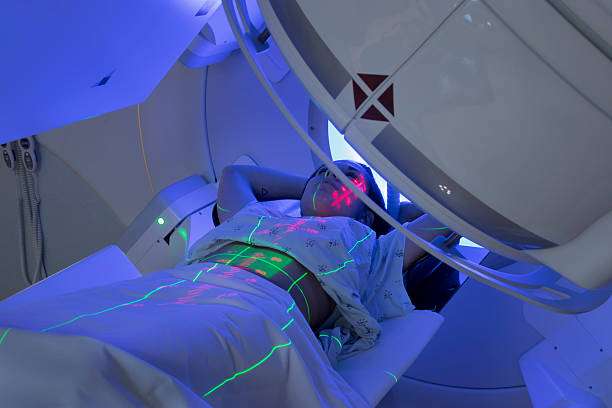
This targeted treatment uses high-energy rays to destroy cancer cells in specific areas of the body. Radiation therapy can be applied externally through machines or internally via implants.
- The primary purpose is to shrink tumors before surgery or eliminate residual cells post-surgery.
- Common side effects include skin irritation and localized fatigue in the treated area.
- Dangers of radiation exposure necessitate careful planning; thus, imaging tests are vital for effective targeting.
- This treatment may require multiple sessions over several weeks for optimal results.
Patients often find comfort in knowing that advances in technology have made radiation therapy safer and more effective than ever before.
CHEMOTHERAPY
Chemotherapy is a common treatment option for cancer that utilizes powerful medications to kill rapidly dividing cancer cells. It can be administered via injection, orally, or through infusion. This systemic therapy can target cancer cells throughout the body.
- Common symptoms of cancers treated with chemotherapy include fatigue, unexplained weight loss, and persistent pain.
- Diagnosis typically involves imaging studies like MRI or CT scans, followed by biopsy to confirm the presence of cancerous cells.
- Treatment options may include single-agent chemotherapy or combination therapies based on the cancer type and stage.
- Patients should expect side effects such as nausea, hair loss, and immune system suppression during treatment.
- Supportive care is critical to managing symptoms throughout the treatment process.
Understanding chemotherapy is essential for patients facing a cancer diagnosis. Discussing potential outcomes with your healthcare team can provide reassurance and clarity.