
Dr Vijay Pal Cho
About Me
Dr Vijay Pal Cho
MBBS
General Physician
10 Years Experience
Biography
My Clinic
OPD Hours
| Monday | Morning | 10:00 AM | - | 02:00 PM |
| Evening | 06:00 PM | - | 09:00 PM | |
| Tuesday | Morning | 10:00 AM | - | 02:00 PM |
| Evening | 06:00 PM | - | 09:00 PM | |
| Wednesday | Morning | 10:00 AM | - | 02:00 PM |
| Evening | 06:00 PM | - | 09:00 PM | |
| Thursday | Morning | 10:00 AM | - | 02:00 PM |
| Evening | 06:00 PM | - | 09:00 PM | |
| Friday | Morning | 10:00 AM | - | 02:00 PM |
| Evening | 06:00 PM | - | 09:00 PM | |
| Saturday | Morning | 10:00 AM | - | 02:00 PM |
| Evening | 06:00 PM | - | 09:00 PM | |
| Sunday | Morning | 10:00 AM | - | 02:00 PM |
| Evening | 06:00 PM | - | 09:00 PM |
Treatments
Specialised care and treatments offered
GASTROINTESTINAL DISORDERS CONSULTATION
The gastrointestinal system includes organs responsible for digesting food — any disorders affecting these organs often lead directly towards discomfort impacting daily functioning significantly!
- < ul class ="list "> < l i class ="diagnostics "> < s trong>Nausea:< / s tron g Potential nausea alongside diarrhea suggests underlying gastrointestinal disturbance but requires further investigation prior diagnosis being established! < / l i class ="diagnostics "> < s trong>Causative factors:< / s tron g Usually linked back towards food intolerances/allergies/infections/overuse NSAIDs etc.; each case warrants individual attention compared across varying presentations & profiles respectively…!< / l i class ="diagnostics "> < s trong>Disease assessments:< / s tron g Comprehensive examinations utilizing endoscopy/imaging techniques provide deeper insight necessary confirming diagnoses relevant actionable plans going forth forward towards improving conditions experienced safely timely without undue delay likewise!< / ... l i class = " diagnostics ">} Hospitals/clinics applicable follow protocols capturing history gathering vital data ahead identifying core issues requir ing prompt intervention ensuring swift maximized upkeep patient welfare!:< br />Treatment approaches include conservative management through dietary recommendations coupled behavioral therapies educating clients optimizing adherence while preventing recurrent flare-ups sustained successful outcomes obtained generally via holistic views embracing integrated care models protectively supportive enthusiastic resilient knowledge base engendered encouraging patients enhancing lives lived actively engaged mentally physically optimally throughout respective journeys sustaining meanings derived within them exemplified best demonstrated persistence ultimately transforming challenges into triumphs; extending support warranted making difference – always striving providing excellence delivery comprehensively impacting positively future filled hope!< br />
CHOLESTEROL LEVEL ASSESSMENT

Your cholesterol level plays a crucial role in cardiovascular health. High cholesterol can lead to plaque buildup in arteries which increases the risk of heart attack or stroke without evident early warning signs!
- Symptoms: Generally asymptomatic; however elevated cholesterol may manifest through coronary artery disease symptoms later on.
- Causes: Possible contributors might include an unhealthy diet rich in saturated fats coupled with lack of physical activity as well as certain genetic predispositions.
- Diagnosis: A simple lipid panel blood test determines levels including HDL (good) versus LDL (bad) cholesterol aiding assessment effectively!
- Treatment: Lifestyle modifications such as improved nutrition alongside exercise programs complemented by statin medications when required entails optimal management strategies!
THYROID DISORDERS EVALUATION

The thyroid gland regulates metabolism through hormone production. Disorders affecting this gland can have widespread effects on overall health and wellness. Early evaluation is key to effective treatment strategies.
- Symptoms: Common signs of thyroid issues include weight changes (gain or loss), fatigue, mood swings, hair loss,/and sensitivity to temperature changes.
- Causes: Thyroid disorders can arise from autoimmune diseases like Hashimoto's or Graves' disease; iodine deficiency; or issues related to pituitary gland function.
- Diagnosis: Blood tests measuring hormone levels are standard methods used for diagnosing thyroid problems accurately.
- Treatment: Treatments may range from medication adjustments for hormone levels to surgical interventions in some cases.
- What to expect: Engaging in ongoing dialogue with your physician will ensure you receive personalized care suited for your specific condition.
ASTHMA MANAGEMENT
Asthma is a chronic disease that affects the airways in the lungs. Proper management is essential to minimize symptoms and prevent severe attacks that could lead to hospitalization.
- Symptoms: Common signs include wheezing, coughing (especially at night), chest tightness, and shortness of breath during physical activities.
- Causes: Asthma triggers can vary widely but often include allergens like pollen, pet dander, smoke exposure, or respiratory infections.
- Diagnosis: A healthcare professional will perform physical exams and lung function tests to evaluate breathing patterns and diagnose asthma accurately.
- Treatment: Treatment options often include inhalers for quick relief during symptoms and long-term control medications to manage inflammation in the airways.
- What to expect:A tailored action plan helps patients avoid triggers while maintaining good respiratory health through regular follow-ups with their physician.
An individualized approach can greatly enhance life quality for those living with asthma while reducing the occurrence of acute episodes.
DIABETES SCREENING

Diabetes affects how your body uses glucose (sugar). Early detection is crucial as it can prevent severe complications such as heart disease and nerve damage.
- Symptoms: Increased thirst, frequent urination, extreme fatigue, and blurred vision are common indicators of diabetes.
- Causes: Risk factors include genetics, sedentary lifestyle, unhealthy eating habits, and obesity.
- Diagnosis: A simple blood test measures your blood sugar levels. Results help determine whether you have diabetes or are at risk.
- Treatment: Effective management strategies involve dietary changes, regular physical activity, and sometimes medication or insulin therapy.
- What to expect: Regular check-ups will help track progress and adjust treatment plans as needed to maintain stable blood sugar levels.
A proactive screening approach ensures early intervention and a better quality of life for individuals at risk for diabetes.
HYPERTENSION MANAGEMENT

Hypertension, or high blood pressure, is a common condition that can lead to serious health problems if left untreated. It often goes unnoticed because it typically does not exhibit symptoms until significant damage has occurred.
- Symptoms: Most individuals with hypertension do not experience noticeable symptoms; however, some may report headaches, shortness of breath, or nosebleeds.
- Causes: Factors contributing to hypertension include obesity, lack of physical activity, high salt intake, and stress.
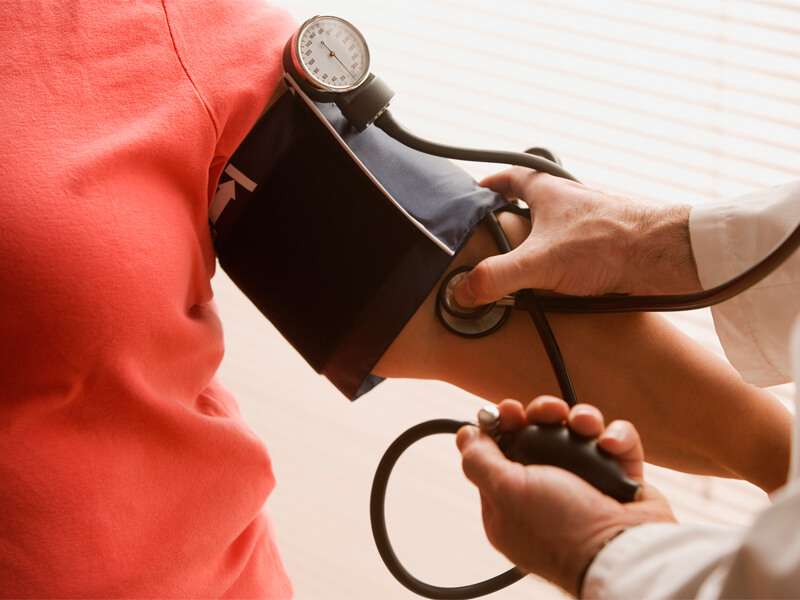
- Diagnosis: Blood pressure is measured using a sphygmomanometer. Multiple readings may be taken over time for an accurate assessment.
- Treatment: Management options include lifestyle changes such as diet and exercise, along with medications if necessary.
- What to expect: Regular monitoring by healthcare professionals helps control blood pressure and reduce the risk of complications.
A proactive approach to managing hypertension can significantly improve overall health outcomes and quality of life.