
Dr Vijay Paliwal
About Me
Dr Vijay Paliwal
MD
Dermatologist
10 Years Experience
Biography
My Clinic
OPD Hours
| Monday | Morning | 10:00 AM | - | 02:00 PM |
| Evening | 06:00 PM | - | 09:00 PM | |
| Tuesday | Morning | 10:00 AM | - | 02:00 PM |
| Evening | 06:00 PM | - | 09:00 PM | |
| Wednesday | Morning | 10:00 AM | - | 02:00 PM |
| Evening | 06:00 PM | - | 09:00 PM | |
| Thursday | Morning | 10:00 AM | - | 02:00 PM |
| Evening | 06:00 PM | - | 09:00 PM | |
| Friday | Morning | 10:00 AM | - | 02:00 PM |
| Evening | 06:00 PM | - | 09:00 PM | |
| Saturday | Morning | 10:00 AM | - | 02:00 PM |
| Evening | 06:00 PM | - | 09:00 PM | |
| Sunday | Morning | 10:00 AM | - | 02:00 PM |
| Evening | 06:00 PM | - | 09:00 PM |
Treatments
Specialised care and treatments offered
SKIN ALLERGY TESTING
Identifying specific allergens responsible for allergic reactions facilitates targeted avoidance strategies improving patients' quality of life. Skin allergy testing is a valuable diagnostic tool in this regard within dermatology practice settings.
- This testing involves introducing small amounts of suspected allergens either on the skin surface via prick tests or into the epidermis through intradermal injections followed by observation for wheal-and-flare responses indicating sensitization presence within minutes up to 48 hours depending on test type used.
- A thorough clinical history helps select relevant allergen panels related to environmental factors like pollen or dust mites as well as food substances contributing towards symptoms such as eczema or urticaria outbreaks affecting daily activities adversely if untreated properly over time which necessitates precise evaluation procedures prior recommending treatment modalities accordingly ensuring best outcomes achievable safely without unnecessary risk exposure involved otherwise unnecessarily forcing ineffective attempts instead!
HAIR LOSS DIAGNOSIS (ALOPECIA)
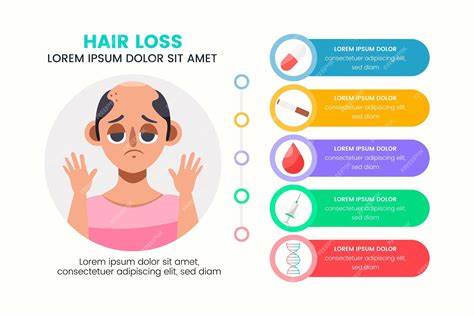
Alopecia refers to hair loss caused by various medical conditions affecting hair follicles. Understanding its type allows targeted interventions aimed at halting progression and promoting regrowth when possible.
- This condition manifests as patchy baldness (alopecia areata), diffuse thinning (telogen effluvium), or patterned hair loss (androgenetic alopecia).
- A comprehensive examination including scalp evaluation is supplemented by blood tests checking for nutritional deficiencies or autoimmune markers associated with hair loss causes.
- Scalp biopsy may be warranted in uncertain cases to study follicle status under microscopy permitting precise diagnosis between scarring versus non-scarring alopecias.
- Treatment varies from topical minoxidil application to corticosteroid injections depending on type and severity; addressing underlying systemic diseases also forms part of care planning.
Diligent workup ensures identification of reversible factors improving prognosis through individualized therapeutic strategies enhancing patient confidence along the process.
CONTACT DERMATITIS EVALUATION
An inflammatory skin reaction resulting from exposure to irritants or allergens causes redness, itching, swelling, or blistering. Identifying triggers is key for successful treatment and prevention of recurrences.
- Symptoms typically include localized rash with erythema and sometimes vesicles at the site of contact with substances like soaps, metals (nickel), fragrances or plants (poison ivy).
- A detailed history combined with physical examination helps differentiate irritant from allergic contact dermatitis forms.
- Patch testing is performed by applying small amounts of potential allergens on the back under adhesive patches to pinpoint specific sensitivities over 48-72 hours assessment period.
- Treatment involves avoidance of identified triggers alongside use of topical steroids or emollients to soothe inflamed skin.
An accurate diagnosis using patch tests guides personalized recommendations ensuring symptom control while preventing future episodes effectively.
ACNE VULGARIS TREATMENT
This common inflammatory condition affects hair follicles and sebaceous glands leading to pimples, blackheads, whiteheads, and sometimes cysts. It often impacts teenagers but can persist into adulthood.
- The underlying causes include excess sebum production, follicular hyperkeratinization blocking pores, bacterial colonization (Propionibacterium acnes), and inflammation.
- A dermatologist diagnoses acne through clinical evaluation of lesion types and severity distribution across affected areas such as face, chest, or back.
- Treatment depends on severity—mild acne may respond to topical retinoids or benzoyl peroxide; moderate to severe forms might require systemic antibiotics or hormonal therapy.
- Lifestyle modifications such as proper skincare routines complement medical management to reduce flare-ups.
Effective acne management improves skin appearance while minimizing scarring risks through consistent adherence to prescribed treatments tailored individually.
MELANOMA SCREENING
Detecting melanoma early greatly improves outcomes as it is an aggressive form of skin cancer originating in pigment-producing cells. Regular screening plays a crucial role in prevention and early intervention.
- The procedure includes thorough examination of the entire skin surface for suspicious moles or lesions that exhibit asymmetry, irregular borders, color variation, diameter increase, or evolving characteristics.
- Dermoscopy enhances visualization of lesion structures not visible to the naked eye to differentiate benign from malignant growths.
- If needed, suspicious areas are biopsied to obtain tissue samples for histopathological analysis confirming melanoma diagnosis.
- The earlier melanoma is identified, the higher the chance for successful surgical removal before metastasis occurs.
Routine screenings help catch melanomas at an early stage when treatment can be curative and life-saving measures are most effective.
PSORIASIS
Psoriasis is a chronic autoimmune skin disorder characterized by the rapid buildup of skin cells, leading to scaling and inflammation. It often appears as red patches covered with silvery scales, causing discomfort and social distress.
- Symptoms include itchy, scaly plaques that can crack and bleed, most commonly on elbows, knees, scalp, and lower back.
- Causes involve immune system dysfunction triggering excessive skin cell production; genetic factors also play a role.
- Diagnosis is primarily clinical but may be supported by skin biopsy to confirm findings and exclude other conditions.
- Treatment includes topical therapies like corticosteroids and vitamin D analogs, phototherapy, and systemic medications for severe cases.
- Management focuses on symptom relief, preventing flare-ups, and monitoring for associated complications such as psoriatic arthritis.
A tailored treatment plan considering severity and patient lifestyle helps improve quality of life while managing this long-term condition effectively.