
Dr Vijay Pathak
About Me
Dr Vijay Pathak
Cardiologist
Biography
My Clinic
OPD Hours
| Monday | Morning | 10:00 AM | - | 02:00 PM |
| Evening | 06:00 PM | - | 09:00 PM | |
| Tuesday | Morning | 10:00 AM | - | 02:00 PM |
| Evening | 06:00 PM | - | 09:00 PM | |
| Wednesday | Morning | 10:00 AM | - | 02:00 PM |
| Evening | 06:00 PM | - | 09:00 PM | |
| Thursday | Morning | 10:00 AM | - | 02:00 PM |
| Evening | 06:00 PM | - | 09:00 PM | |
| Friday | Morning | 10:00 AM | - | 02:00 PM |
| Evening | 06:00 PM | - | 09:00 PM | |
| Saturday | Morning | 10:00 AM | - | 02:00 PM |
| Evening | 06:00 PM | - | 09:00 PM | |
| Sunday | Morning | 10:00 AM | - | 02:00 PM |
| Evening | 06:00 PM | - | 09:00 PM |
Treatments
Specialised care and treatments offered
CHOLESTEROL MANAGEMENT
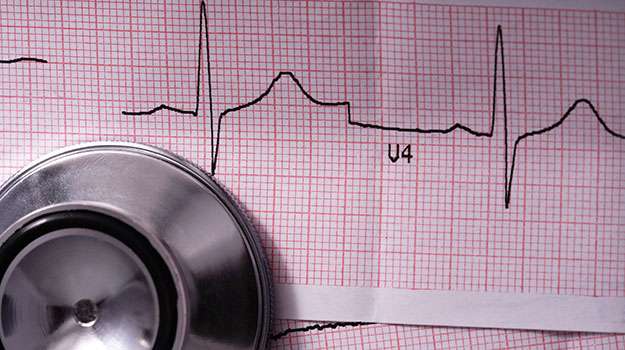
The regulation of cholesterol levels is vital for maintaining cardiovascular health. Elevated cholesterol can increase the risk of serious conditions such as heart attacks and strokes if not adequately monitored and controlled.
ARRHYTHMIAS

An arrhythmia refers to an irregular heartbeat which can manifest as a racing heartbeat or a fluttering sensation. Understanding its variations is essential for effective treatment management.
- Symptoms: These may include palpitations, dizziness, sweating during episodes of abnormal rhythms even syncope in some cases
Contributing factors are electrolyte imbalances; structural issues within the heart; certain medications; stimulants including caffeine.
- Diagnosis:
- Treatment:
Diagnosing arrhythmias includes obtaining an EKG during an episode alongside Holter monitoring for prolonged symptom assessment.
Treatment plans vary based on type but may incorporate medications anti-arrhythmic drugs catheter ablation ICDs (implantable cardioverter-defibrillators) etc while lifestyle changes could also prove beneficial.
Arrhythmias can be managed effectively; however ongoing follow-ups remain critical ensuring optimal results from prescribed therapies ensuring safety & well-being.
HEART FAILURE
This chronic syndrome occurs when the heart cannot pump enough blood to meet the body’s needs. Awareness of its signs can help in seeking timely medical assistance.
- Symptoms: Common signs include persistent coughing or wheezing, swelling in the legs or abdomen, fatigue during daily activities, and rapid heartbeat.
- Causes: Conditions such as coronary artery disease, hypertension, cardiomyopathy or previous heart attacks contribute to this condition's development.
- Diagnosis: Heart failure is identified through physical examinations combined with tests like chest X-rays or echocardiograms assessing heart functionality
CORONARY ARTERY DISEASE
This condition arises when the arteries supplying blood to the heart become narrowed or blocked due to plaque buildup. Recognizing symptoms early can lead to better outcomes.
- Symptoms: Chest pain (angina), fatigue, shortness of breath, or heart attack risk are common indicators.
- Causes: Risk factors include high cholesterol levels, smoking, diabetes, high blood pressure, and a sedentary lifestyle.
- Diagnosis: Diagnosis often involves stress tests, angiograms or other imaging techniques to visualize blockages in the coronary arteries.
- Treatment: Options may include lifestyle modifications, medication management like statins or antiplatelet agents, and invasive procedures such as angioplasty or bypass surgery for severe cases.
- What to Expect: Properly managed patients can improve their quality of life significantly while reducing risks associated with heart events.
A proactive approach towards lifestyle choices significantly contributes to managing coronary artery disease effectively.
HYPERTENSION
Hypertension, commonly referred to as high blood pressure, can be a silent condition that poses serious health risks if left untreated. It is important to understand both its causes and management strategies.
- Symptoms: Often asymptomatic, hypertension can lead to headaches, shortness of breath, and nosebleeds in severe cases.
- Causes: Factors contributing to elevated blood pressure include obesity, lack of physical activity, excessive salt intake, stress, and genetic predisposition.
- Diagnosis: Blood pressure is diagnosed through regular monitoring with a sphygmomanometer; readings typically above 130/80 mmHg indicate hypertension.
- Treatment: Management may involve lifestyle changes such as diet and exercise, alongside medications like diuretics or ACE inhibitors when necessary.
- What to Expect: With proper management, individuals can maintain normal blood pressure levels and reduce the risk of complications such as heart disease.
Understanding hypertension is crucial for prevention and managing overall health. Regular check-ups play a significant role in early detection and treatment.