
Dr Vijay Pushkar
About Me
Dr Vijay Pushkar
MBBS
General Physician
10 Years Experience
Biography
My Clinic
OPD Hours
| Monday | Morning | 10:00 AM | - | 02:00 PM |
| Evening | 06:00 PM | - | 09:00 PM | |
| Tuesday | Morning | 10:00 AM | - | 02:00 PM |
| Evening | 06:00 PM | - | 09:00 PM | |
| Wednesday | Morning | 10:00 AM | - | 02:00 PM |
| Evening | 06:00 PM | - | 09:00 PM | |
| Thursday | Morning | 10:00 AM | - | 02:00 PM |
| Evening | 06:00 PM | - | 09:00 PM | |
| Friday | Morning | 10:00 AM | - | 02:00 PM |
| Evening | 06:00 PM | - | 09:00 PM | |
| Saturday | Morning | 10:00 AM | - | 02:00 PM |
| Evening | 06:00 PM | - | 09:00 PM | |
| Sunday | Morning | 10:00 AM | - | 02:00 PM |
| Evening | 06:00 PM | - | 09:00 PM |
Treatments
Specialised care and treatments offered
GASTROESOPHAGEAL REFLUX DISEASE (GERD) CARE
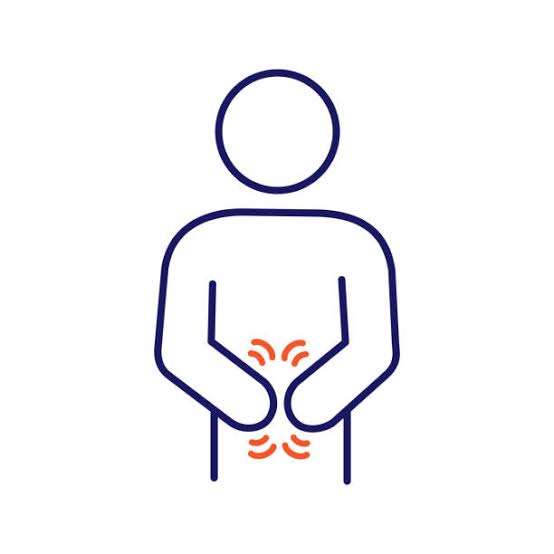
This common digestive disorder leads to acid reflux causing discomfort or damage. Effective control minimizes symptoms such as heartburn that impact daily activities adversely.
- Causative Factors & Presentation : Frequent acid regurgitation ,chest pain ,difficulty swallowing may indicate GERD complaints.
- Diagnostic Techniques : Upper endoscopy ,esophageal pH monitoring assist confirmation where needed.
- Management Plans : Lifestyle modification includes avoiding trigger foods ,elevating head during sleep ,and medications like proton pump inhibitors suppress acid production efficiently .
- Long-Term Outlook : With adherence ,patients experience sustained relief from distressing symptoms preventing further mucosal injury.
GERD requires individualized care focusing upon symptom control combined with preventive strategies ensuring better digestive tract health .
ANEMIA EVALUATION AND MANAGEMENT

Anemia occurs when the body lacks sufficient healthy red blood cells causing decreased oxygen delivery. Addressing its root causes improves patient energy and function substantially.
- Main Causes & Symptoms: Nutritional deficiencies (iron, B12), chronic disease; symptoms include fatigue, pallor, shortness of breath on exertion.
- Diagnostic Workflow: Complete blood count (CBC), iron studies help identify specific anemia type accurately for targeted treatment plans. Treatment Modalities:
HYPOTHYROIDISM TREATMENT
An underactive thyroid gland reduces hormone production leading to metabolic slowdown. Identifying hypothyroidism early prevents complications related to various body systems.
- Causation & Signs: Fatigue, weight gain, cold intolerance, constipation are common indicators; autoimmune disease is a frequent cause.
- Testing Methods: Blood tests measuring TSH and thyroid hormone levels establish diagnosis precisely.
- Therapeutic Approach: Daily synthetic thyroid hormone replacement restores normal metabolism balance effectively.
- Treatment Monitoring: Periodic lab assessments ensure appropriate dosing adjustments for symptom resolution.
This condition generally responds well to medication when diagnosed promptly allowing patients to return to usual activity levels safely.
CHRONIC OBSTRUCTIVE PULMONARY DISEASE (COPD) MANAGEMENT
COPD refers to progressive lung diseases that cause airflow blockage leading to breathing difficulties. Early recognition aids in slowing disease progression.
- Symptoms & Causes: Chronic cough, shortness of breath, frequent respiratory infections; often caused by smoking or environmental pollutants.
- Diagnosis: Pulmonary function tests like spirometry evaluate lung capacity and airflow obstruction.
- Treatment Options: Bronchodilators, corticosteroids inhalers, oxygen therapy; smoking cessation is critical for improvement.
- Lifestyle Considerations: Avoiding irritants and pulmonary rehabilitation enhance quality of life significantly.
COPD requires ongoing medical support combined with lifestyle changes to manage symptoms effectively and reduce flare-ups over time.
TYPE 2 DIABETES CARE

Type 2 diabetes is a chronic condition characterized by high blood sugar due to insulin resistance. Managing it effectively helps prevent complications affecting multiple organ systems.
- Recognition: Symptoms include increased thirst, frequent urination, fatigue, and slow wound healing.
- Diagnostic Tests: Blood glucose tests such as fasting plasma glucose or HbA1c levels confirm the diagnosis.
- Treatment Strategies: A combination of diet control, physical activity, oral medications or insulin therapy tailored to individual needs is used.
- Lifestyle Impact: Weight management and quitting smoking play significant roles in improving outcomes.
A proactive approach involving regular monitoring and adherence to treatment plans supports long-term well-being in those affected by type 2 diabetes.
HYPERTENSION MANAGEMENT
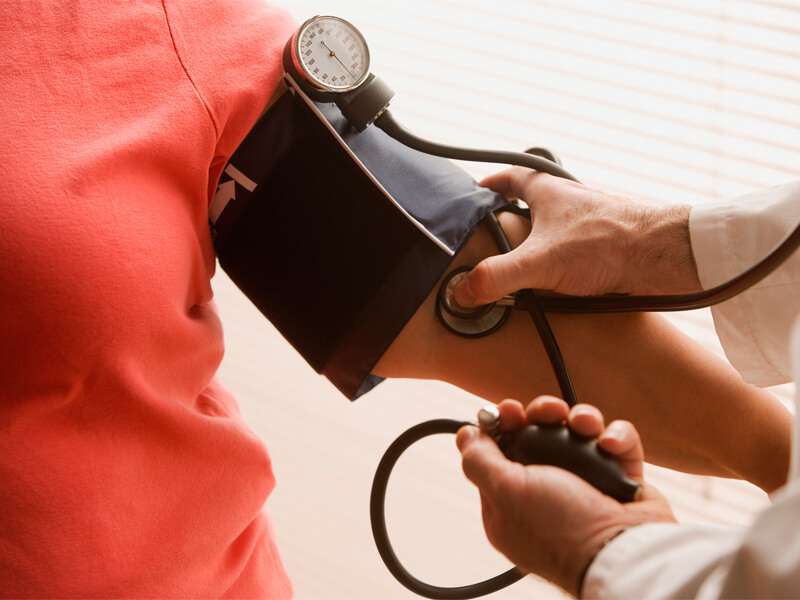
High blood pressure is a common health concern that can lead to serious complications if left untreated. Proper management is essential to reduce risks and maintain overall health.
- Symptoms and Causes: Often called a "silent killer," hypertension usually has no clear symptoms but may be linked to genetics, diet, stress, and sedentary lifestyle.
- Diagnosis: Blood pressure is measured using a sphygmomanometer; multiple readings over time confirm the diagnosis.
- Treatment Options: Lifestyle modifications like reducing salt intake, exercising regularly, and medications such as ACE inhibitors or beta-blockers are commonly prescribed.
- Monitoring: Regular follow-up appointments and self-monitoring at home help track effectiveness and make adjustments.
With consistent management, most individuals can maintain normal blood pressure levels and minimize long-term health risks associated with hypertension.