
Dr Vijay Surase
About Me
Dr Vijay Surase
Cardiologist
Biography
My Clinic
OPD Hours
| Tuesday | Morning | 10:00 AM | - | 02:00 PM |
| Evening | 06:00 PM | - | 09:00 PM | |
| Wednesday | Morning | 10:00 AM | - | 02:00 PM |
| Evening | 06:00 PM | - | 09:00 PM | |
| Thursday | Morning | 10:00 AM | - | 02:00 PM |
| Evening | 06:00 PM | - | 09:00 PM | |
| Friday | Morning | 10:00 AM | - | 02:00 PM |
| Evening | 06:00 PM | - | 09:00 PM | |
| Saturday | Morning | 10:00 AM | - | 02:00 PM |
| Evening | 06:00 PM | - | 09:00 PM | |
| Sunday | Morning | 10:00 AM | - | 02:00 PM |
| Evening | 06:00 PM | - | 09:00 PM | |
| Thursday | Morning | 10:00 AM | - | 02:00 PM |
| Evening | 06:00 PM | - | 09:00 PM |
Treatments
Specialised care and treatments offered
PACEMAKER IMPLANTATION

Pacing therapy through pacemaker implantation provides reliable management for individuals experiencing slow or irregular heartbeat patterns termed bradycardia. Ensuring proper electrical signaling sustaining efficient circulation happens via this device's help!
- Main sypmtoms indicating pacemaker necessity include extreme fatigue episodes stemming from inadequate blood supply correlated alongside dizziness spells faced upon standing upright suddenly!
- A detailed diagnosis combines comprehensive physical examinations examining pulse rates inclusive with ECG monitoring revealing concerning trends warranting device consideration understood expertly here at our facility!
- Pacing options utilize various models varying complexity dependent upon unique requirements thus catering accordingly personalized solutions restoring harmony into every patient's lives once again assuring relaxation throughout day-to-day engagements afterwards! < /u l >
With continued advancements revolutionizing cardiology practices today guiding informed choices allows us emphasize enhancing life via integrating proactive strategies ensuring resilient patient experiences ahead risking appropriate care choices every step forth all together too!!
TRANSCATHETER AORTIC VALVE REPLACEMENT (TAVR)
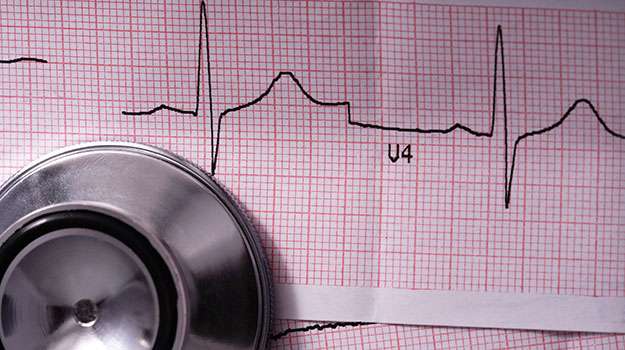
TAVR is an advanced procedure allowing non-surgical replacement of narrowed aortic valves. This breakthrough method benefits patients who are considered high-risk for traditional surgery due to age or other conditions.
- The underlying sypmtoms, including severe shortness of breath, fatigue, or chest pain during exertion prompt further investigation toward valvular issues detected via echocardiograms or imaging studies.
- This procedure involves threading a catheter through blood vessels up to your heart where a new valve is deployed usually under sedation but no need for large incisions made traditionally!
- Patients generally see significant improvement post-operation beginning within days alongside recommendations about gradual activity resumption encouraged over time thereafter!
This option enhances patient access toward achieving improved cardiac function compared against conventional approaches while minimizing recovery burdens!
LEFT ATRIAL APPENDAGE CLOSURE
The left atrial appendage closure is a preventive strategy aimed at reducing stroke risk in patients with atrial fibrillation. This minimally invasive approach directly addresses potential blood clot formation in the appendage.
- The primary symphoms associated with atrial fibrillation include palpitations, dizziness, and increased fatigue during daily activities.
- Diagnosis involves echo tests along with CT scans assessing blood flow patterns within the heart’s chambers before deciding on closure methods.
- Treatment includes implanting devices like WATCHMAN that permanently close off the appendage without requiring continuous anticoagulant medication afterward.
- Your doctor will provide personalized guidance regarding lifestyle modifications post-procedure ensuring optimal recovery.
This innovative intervention seeks to enhance safety amongst patients at risk while maintaining quality cardiovascular care standards.
ABLATION THERAPY
Ablation therapy is a specialized treatment designed to destroy abnormal tissue in the heart that causes arrhythmias. This technique helps restore normal heart rhythm effectively.
- This condition often arises from factors such as heart disease, high blood pressure, or genetics leading to irregular heartbeat sensations.
- An accurate diagnosis involves continuous ECG monitoring and electrophysiology studies that examine electrical activity in the heart.
- The procedure uses radiofrequency energy or cryoablation techniques tailored based on individual needs for precision targeting of problematic areas.
- Patients can anticipate minimal hospitalization with a focus on specific post-operative care instructions for recovery at home.
Ablation offers hope for those with persistent arrhythmia symptoms improving their overall health significantly.
HEART VALVE SURGERY
Heart valve surgery is essential for correcting issues with one or more of the heart's valves. Dysfunctional valves can lead to serious health complications if not treated timely.
- The causes for valve problems include congenital defects, rheumatic fever, and age-related degeneration.
- A thorough diagnosis usually requires echocardiograms and sometimes cardiac catheterization to assess function.
- Treatment options vary from valve repair to replacement with mechanical or biological valves depending on severity.
- Post-surgery, patients will need a recovery period that includes monitoring and possible medications to prevent complications.
This surgery aims to restore optimal heart function and ensure better long-term outcomes for patients.
CORONARY ANGIOPLASTY
Coronary angioplasty is a minimally invasive procedure used to open blocked coronary arteries. This treatment can alleviate symptoms of heart disease and improve blood flow to the heart muscle.
- Symptoms may include chest pain, shortness of breath, and fatigue, often triggered by physical activity or emotional stress.
- Diagnosis typically involves tests like an electrocardiogram (ECG) and coronary angiography, which visualizes the blood vessels.
- Treatment commonly includes performing angioplasty using a small balloon to widen the artery, sometimes followed by the placement of a stent to keep the artery open.
- After the procedure, patients can expect regular follow-up appointments and possibly lifestyle changes for heart health maintenance.
This procedure can significantly enhance quality of life and reduce the risk of heart attacks.