
Dr Vijaya Patil
About Me
Dr Vijaya Patil
Anesthesiologist
Biography
My Clinic
OPD Hours
| Tuesday | Morning | 10:00 AM | - | 02:00 PM |
| Evening | 06:00 PM | - | 09:00 PM | |
| Wednesday | Morning | 10:00 AM | - | 02:00 PM |
| Evening | 06:00 PM | - | 09:00 PM | |
| Thursday | Morning | 10:00 AM | - | 02:00 PM |
| Evening | 06:00 PM | - | 09:00 PM | |
| Friday | Morning | 10:00 AM | - | 02:00 PM |
| Evening | 06:00 PM | - | 09:00 PM | |
| Saturday | Morning | 10:00 AM | - | 02:00 PM |
| Evening | 06:00 PM | - | 09:00 PM | |
| Sunday | Morning | 10:00 AM | - | 02:00 PM |
| Evening | 06:00 PM | - | 09:00 PM | |
| Thursday | Morning | 10:00 AM | - | 02:00 PM |
| Evening | 06:00 PM | - | 09:00 PM |
Treatments
Specialised care and treatments offered
GENERAL ANESTHESIA
This method entails inducing a temporary state of controlled unconsciousness through inhaled gases or intravenous drugs. General anesthesia is essential for major surgeries where complete insensitivity to pain is paramount for safety and surgical success.
- Applications: Highly utilized during lengthy operations involving vital organs where patient immobilization must occur without sensation.
- Preoperative Checklist: Pre-surgery assessments will include discussing prior medical experiences alongside current medications that could affect overall anesthesia performance.
- Administration Techniques: Anesthetics can be delivered either via inhalation methods using masks or IV injectables tailored specifically for each individual's requirements.
- Post-Procedure Experience: After waking from general anesthesia supervision remains critical until full alertness restores usually taking several hours post-operation.
Understanding more about general anesthesia enhances confidence towards undergoing significant healthcare measures whilst enabling rapid recovery thereafter days ahead as well!
INTRAVENOUS (IV) SEDATION

This technique involves administering sedative medications directly into the bloodstream via IV access. It provides rapid onset sedation suitable for various outpatient procedures requiring patient cooperation yet reduced awareness of surroundings.
- Pain Management Uses: Commonly used in diagnostic imaging studies such as endoscopies or colonoscopies where complete immobility may be necessary but total unconsciousness isn't required.
- Evaluation & Diagnosis: Assessing candidacy includes reviewing health history alongside anticipated productivity related needs from upcoming medical interventions.
Patients receiving IV sedation may feel drowsy throughout their procedures while remaining safely monitored throughout its administration process.
SEDATION DENTISTRY

Sedation dentistry refers to techniques applied to relax patients undergoing dental procedures. It allows individuals with dental anxiety or phobias to receive necessary care comfortably.
- Symptoms/Targets: It's particularly useful for extensive dental work, implant placements, or root canals where anxiety may hinder treatment efficacy.
- Assessment Process: Before sedation is used, dentists evaluate overall health status and potential risks associated with sedation methods used during treatment sessions.
- Treatment Techniques: Various sedation options—from mild sedatives like nitrous oxide to deeper sedation administered intravenously—are tailored according to individual patient needs.
The goal of sedation dentistry is not only effective treatment but also allowing patients to leave their anxiety behind while ensuring optimal oral health outcomes over time.
PERIPHERAL NERVE BLOCKS

A peripheral nerve block is an effective method used to manage pain by targeting specific nerves outside the spinal cord. This technique can be beneficial in both postoperative settings and chronic pain management.
- Symptoms/Uses: Often utilized for surgeries on limbs, it minimizes discomfort by interrupting nerve signal transmission directly at site-specific levels.
- Diagnosis: Candidates are generally assessed based on surgical needs and previous responses to pain management strategies.
- Treatment Approach: Local anesthetics or steroids are administered near targeted nerves through injection, providing localized relief from acute and chronic discomfort.
- What to Expect: Patients might experience immediate relief following administration; however, some might notice temporary weakness in the affected area until the anesthetic wears off.
This treatment option empowers various surgical techniques by reducing reliance on systemic medications while enhancing recovery experiences significantly.
MONITORED ANESTHESIA CARE (MAC)

Monitored Anesthesia Care (MAC) is an anesthesia service that combines sedation with monitoring during outpatient procedures. It allows patients to remain calm and relaxed while being aware of their surroundings.
- Symptoms/Indications: Ideal for patients undergoing minimally invasive surgeries that require sedation without complete unconsciousness.
- Diagnosis: A thorough evaluation of the patient’s health status is conducted to identify suitability for MAC prior to any procedure.
- Treatment Method: Medications are administered intravenously to sedate the patient, while monitoring devices track vital signs continuously.
- What to Expect: Patients generally recover quickly after MAC, often feeling alert shortly after the procedure concludes.
This approach enhances patient comfort and offers flexibility in a variety of clinical settings, making it a popular choice for both physicians and patients alike.
EPIDURAL ANESTHESIA

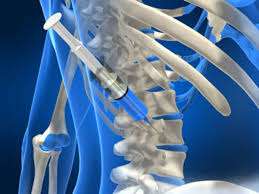
Epidural anesthesia is a regional anesthesia technique that provides pain relief during labor, surgery, or other medical procedures. This method involves the injection of anesthetic agents into the epidural space in the spinal cord area.
- Symptoms/Uses: Particularly effective for managing pain during childbirth and surgical procedures.
- Diagnosis: The need for epidural anesthesia is usually assessed through a patient's medical history and specific procedural requirements.
- Treatment Options: Involves administering local anesthetics or analgesics into the epidural space using a catheter for continuous pain management.
- What to Expect: Patients may experience numbness in the lower body, with minimal side effects such as headache or nausea. Recovery time varies based on procedure type.
This technique allows for greater comfort and satisfaction, especially during extensive procedures, offering both peace of mind and effective pain control.