
Dr Vijaya Soni
About Me
Dr Vijaya Soni
MD
Cardiologist
10 Years Experience
Biography
My Clinic
OPD Hours
| Monday | Morning | 10:00 AM | - | 02:00 PM |
| Evening | 06:00 PM | - | 09:00 PM | |
| Tuesday | Morning | 10:00 AM | - | 02:00 PM |
| Evening | 06:00 PM | - | 09:00 PM | |
| Wednesday | Morning | 10:00 AM | - | 02:00 PM |
| Evening | 06:00 PM | - | 09:00 PM | |
| Thursday | Morning | 10:00 AM | - | 02:00 PM |
| Evening | 06:00 PM | - | 09:00 PM | |
| Friday | Morning | 10:00 AM | - | 02:00 PM |
| Evening | 06:00 PM | - | 09:00 PM | |
| Saturday | Morning | 10:00 AM | - | 02:00 PM |
| Evening | 06:00 PM | - | 09:00 PM | |
| Sunday | Morning | 10:00 AM | - | 02:00 PM |
| Evening | 06:00 PM | - | 09:00 PM |
Treatments
Specialised care and treatments offered
TRANSCATHETER AORTIC VALVE REPLACEMENT (TAVR)

TAVR represents an innovative approach aimed specifically at treating severe aortic stenosis without requiring major surgical interventions. Utilizing catheter-based techniques allows cardiologists greater flexibility while optimizing patient outcomes through reduced recovery times too!
- This condition typically manifests through classic symptoms, including chest pain along with debilitating fatigue experienced particularly during exertion—indicative signposts warranting early evaluation promptly!
- Diverse diagnostic methodologies involving echocardiographic evaluations alongside CT imaging enable precise measurements regarding valve anatomy plus functional characteristics explicitly tailored towards patient profiles seeking timely interventions later down the line when warranted accordingly too!
- Deployment usually happens via femoral access pathway utilizing local anesthesia minimizing hospitalization durations amidst inherently lower risk factors emerging throughout surgical phases thereby ensuring better prognostic indicators following successful procedures conducted closely followed by observant rehabilitation protocols outlined thereafter as well!
This cutting-edge therapy exemplifies modern advancements reshaping conventional approaches aimed solely toward enhancing longevity amongst aging populations enduring associated morbidities impacting overall systemic wellness significantly hereafter too!
DEFIBRILLATOR IMPLANTATION
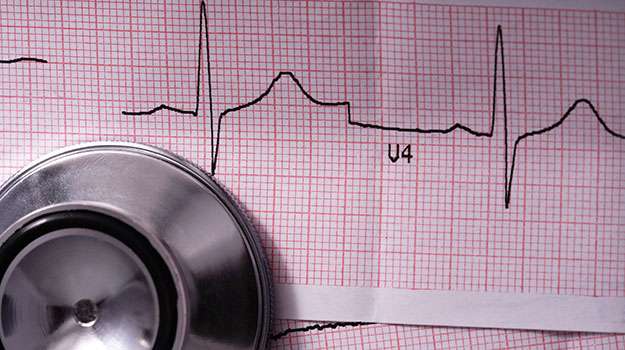
A defibrillator implantation is essential for patients at risk of life-threatening arrhythmias. This device monitors heart rhythms continuously and delivers shocks when arrhythmias occur to restore normal rhythm quickly and efficiently.
- Common indications include experiencing severe palpitations, syncope (fainting), or cardiac arrest symptoms indicating potential electrical malfunctions within the heart muscle itself.
- Diagnostic tests such as Holter monitoring help determine when defibrillator intervention is necessary based on documented irregularities over time through continuous ECG recording methods observed by specialists' analyses regularly done from their clinics in Agra too.
- Surgical implantation involves placing it under the skin near your collarbone with minimal discomfort; local anesthesia usually suffices during this outpatient procedure too!
This lifesaving technology has transformed management strategies focusing intensively upon preventing sudden cardiac death among high-risk individuals today!
VALVE REPAIR OR REPLACEMENT
Heart valve repair or replacement is critical for addressing serious valvular heart diseases that hinder proper blood flow within the heart. Depending on severity, affected valves may be surgically repaired or replaced with mechanical or biological prosthesis.
- Presents often with symptoms like shortness of breath, fatigue, or swelling in the legs due to reduced efficiency in pumping blood.
- Diagnosis involves echocardiography combined with physical examinations to evaluate valve function over time.
- Surgical options vary depending on individual cases; they can involve minimally invasive techniques or traditional open-heart surgery based on patient health status.
- A thorough post-operative care plan ensures recovery while monitoring any potential complications in healing valves effectively.
This surgical intervention significantly enhances life expectancy and quality for patients harboring severe valve dysfunctions.
CARDIAC CATHETERIZATION
Cardiac catheterization is an advanced procedure used to diagnose and treat various heart conditions. By inserting a thin tube into a blood vessel leading to the heart, doctors can directly observe cardiac function and blood flow.
- This process often addresses symptoms like chest pain or unexplained fatigue that may suggest underlying issues.
- A detailed diagnosis can be made using contrast dye imaging techniques which visualize blockages or narrowing in arteries.
- Treatment options during catheterization may include balloon angioplasty or placing stents to maintain arterial patency.
- The patient typically experiences minimal discomfort during the procedure with several hours required for monitoring afterward.
This technique allows cardiologists to make informed decisions regarding further treatment plans based on direct assessment results.
ECHOCARDIOGRAM
An echocardiogram is an ultrasound test that provides detailed images of the heart's structure and function. This non-invasive diagnostic tool plays a crucial role in evaluating various heart conditions and monitoring cardiac health.
- The procedure can reveal symptoms such as abnormal heart rhythms or signs of heart failure.
- Diagnosis is made based on real-time imaging and analysis performed by trained technicians and cardiologists.
- Echocardiograms assess the size and shape of the heart, its chambers, and how well it pumps blood.
- No specific recovery time is needed since it’s painless; however, results may require follow-up visits for interpretation.
This test is invaluable for understanding heart conditions and developing appropriate treatment strategies.
CORONARY ANGIOPLASTY
Coronary angioplasty is a medical procedure aimed at restoring blood flow in blocked coronary arteries. This minimally invasive technique can significantly reduce heart-related complications and improve overall cardiovascular health.
- Symptoms of blockages often include chest pain, shortness of breath, or fatigue during physical activity.
- Diagnosis typically involves imaging tests such as angiograms to visualize the extent of arterial blockage.
- Treatment usually entails placing a balloon catheter to expand the narrowed arteries, sometimes followed by stent placement to keep arteries open.
- After the procedure, patients can expect a monitored recovery period and guidance on lifestyle changes for heart health.
This intervention helps restore normal blood flow, enhancing quality of life for those with significant coronary artery disease.