
Dr Vijendra Kuma
About Me
Dr Vijendra Kuma
MD
Dermatologist
10 Years Experience
Biography
My Clinic
OPD Hours
| Monday | Morning | 10:00 AM | - | 02:00 PM |
| Evening | 06:00 PM | - | 09:00 PM | |
| Tuesday | Morning | 10:00 AM | - | 02:00 PM |
| Evening | 06:00 PM | - | 09:00 PM | |
| Wednesday | Morning | 10:00 AM | - | 02:00 PM |
| Evening | 06:00 PM | - | 09:00 PM | |
| Thursday | Morning | 10:00 AM | - | 02:00 PM |
| Evening | 06:00 PM | - | 09:00 PM | |
| Friday | Morning | 10:00 AM | - | 02:00 PM |
| Evening | 06:00 PM | - | 09:00 PM | |
| Saturday | Morning | 10:00 AM | - | 02:00 PM |
| Evening | 06:00 PM | - | 09:00 PM | |
| Sunday | Morning | 10:00 AM | - | 02:00 PM |
| Evening | 06:00 PM | - | 09:00 PM |
Treatments
Specialised care and treatments offered
HAIR LOSS (ALOPECIA) EVALUATION & CARE
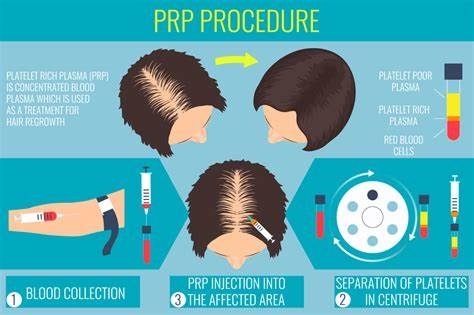
Alopecia refers broadly to hair loss which can arise due to multiple causes ranging from genetic patterns to autoimmune conditions affecting hair follicles. Identification of cause guides therapy choice significantly affecting outcomes.
- Common symptoms include patchy hair loss (alopecia areata), gradual thinning at scalp crowns (androgenetic alopecia), or diffuse shedding linked to systemic illness .
- Diagnosis entails thorough clinical examination possibly supplemented by scalp biopsy , blood tests evaluating nutrition status & thyroid function where relevant .
- Early intervention includes topical minoxidil application ; oral medications may be prescribed depending on etiology notably anti-androgens or immunomodulators .
- Lifestyle counseling about gentle hair care habits avoiding harsh chemical treatments plays a supportive role in managing fragile hair states .
- The prognosis varies ; some types show significant regrowth potential while others require long-term maintenance therapies for stabilization .
A comprehensive approach combining medical evaluation plus appropriate therapeutic strategies offers hope for many experiencing distressing hair loss challenges .
HYPERPIGMENTATION MANAGEMENT
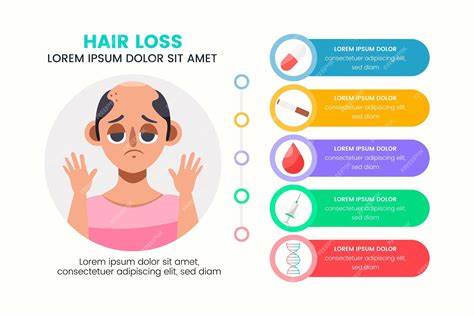
An increase in melanin pigment leads to darker patches on the skin known as hyperpigmentation. This condition can affect various areas frequently exposed to sunlight or post-inflammatory sites after injury or acne has healed.
- Triggers include sun exposure without protection , hormonal influences like pregnancy (melasma), certain medications ,and inflammation from trauma or burns .
- Clinically visible as flat brownish spots ranging from small freckles up to larger patches impacting cosmetic appearance significantly .
- Assessment involves examining distribution pattern , patient history especially regarding sun exposure habits , medications taken ,or prior dermatologic events .
- Treatment focuses primarily on reducing pigment production through topical agents containing hydroquinone , vitamin C derivatives ,azelaic acid ,alongside strict photoprotection measures .
- Chemical peels , laser therapies may be considered cautiously based on individual response ; results require patience because pigmentation fades gradually .
With an individualized plan involving skincare modifications plus medical treatments available today this discoloration can often be improved noticeably improving confidence levels .
MOLE MONITORING & SKIN CANCER PREVENTION
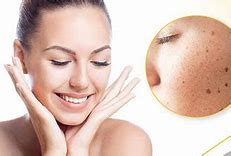
Moles are common benign pigmented spots but some changes might signal skin cancer risk requiring vigilance. Early detection significantly improves outcomes in melanoma treatment.
- The A-B-C-Ds of mole evaluation (Asymmetry; Border irregularities; Color variation; Diameter enlargement) help identify suspicious moles needing medical review.
- Moles that evolve rapidly or bleed warrant prompt assessment by a dermatologist specialized in early cancer detection techniques including dermoscopy.
- Lifestyle guidance includes sun protection strategies such as using broad-spectrum sunscreens regularly to reduce UV exposure damage linked to cancer development.
- If removal is necessary due to atypical features suspected for malignancy this may involve simple surgical excision under local anesthesia with histopathological analysis for confirmation.
- Routine self-exams coupled with professional skin checks comprise the cornerstone of effective prevention measures.
Maintaining awareness about moles’ characteristics paired with protective behaviors forms an essential defense against potentially dangerous skin conditions .
PSORIASIS TREATMENT
This immune-mediated condition leads to rapidly dividing skin cells causing thickened plaques covered by silvery scales. It commonly appears on the elbows, knees and scalp but can affect any area.
- Causative factors: Genetic predisposition combined with environmental triggers such as infections or stress.
- Syndrome signs: Raised patches of inflamed skin which may crack or bleed accompanied by itching or soreness.
- Diagnosis process: Visual examination supported occasionally by biopsy if uncertain diagnosis exists.
- Therapeutic approaches: Includes topical treatments like corticosteroids or vitamin D analogs; phototherapy; systemic medication for extensive disease;
- The goal is symptom relief while minimizing flare-ups through ongoing monitoring and personalized regimens.
A combination of medical therapies alongside lifestyle adjustments helps many people live comfortably despite psoriasis’ chronic nature.
ECZEMA CARE
Eczema is a chronic inflammatory condition characterized by itchy and irritated patches of skin. It often affects children but may occur at any age with flare-ups triggered by various factors.
- Symptoms: Redness, dryness, itching, sometimes blistering or oozing in severe cases.
- Triggers: Allergens like dust mites, soaps or detergents, stress, and climate changes can provoke exacerbations.
- Diagnosis: Based on visual inspection and patient history including family history of allergies or asthma.
- Treatment options: Regular moisturizing to restore barrier function; topical corticosteroids to reduce inflammation; antihistamines for itch control; avoiding known irritants is crucial.
- Management expectations: While there is no permanent cure, eczema can be controlled well with consistent skin care routines and trigger management.
Caring for eczema involves understanding personal triggers along with timely interventions to keep symptoms mild and prevent infections from scratching.
ACNE MANAGEMENT
Acne is a widespread skin condition that primarily affects the oil glands and hair follicles, often leading to pimples, blackheads, and cysts. It is most common during adolescence but can persist into adulthood affecting self-esteem.
- Causes: Hormonal fluctuations, excess oil production, bacteria, and clogged pores are key contributors.
- Symptoms: Presence of whiteheads, blackheads, inflamed red bumps, and sometimes painful cysts on the face, neck, chest or back.
- Diagnosis: Usually clinical through physical examination of the skin’s appearance and history.
- Treatment: Includes topical creams with ingredients like benzoyl peroxide or retinoids, oral antibiotics in moderate cases, and lifestyle changes such as gentle skincare routines.
- Expectations: Gradual improvement over weeks; persistence with treatment is important to prevent scarring and recurrence.
With appropriate care tailored to skin type and severity, acne can be managed effectively to maintain clearer skin and reduce discomfort.