
Dr Vikas Goel
About Me
Dr Vikas Goel
MBBS
Podiatrist
10 Years Experience
Biography
My Clinic
OPD Hours
| Monday | Morning | 10:00 AM | - | 02:00 PM |
| Evening | 06:00 PM | - | 09:00 PM | |
| Tuesday | Morning | 10:00 AM | - | 02:00 PM |
| Evening | 06:00 PM | - | 09:00 PM | |
| Wednesday | Morning | 10:00 AM | - | 02:00 PM |
| Evening | 06:00 PM | - | 09:00 PM | |
| Thursday | Morning | 10:00 AM | - | 02:00 PM |
| Evening | 06:00 PM | - | 09:00 PM | |
| Friday | Morning | 10:00 AM | - | 02:00 PM |
| Evening | 06:00 PM | - | 09:00 PM | |
| Saturday | Morning | 10:00 AM | - | 02:00 PM |
| Evening | 06:00 PM | - | 09:00 PM | |
| Sunday | Morning | 10:00 AM | - | 02:00 PM |
| Evening | 06:00 PM | - | 09:00 PM |
Treatments
Specialised care and treatments offered
TOENAIL FUNGAL INFECTION (ONYCHOMYCOSIS)
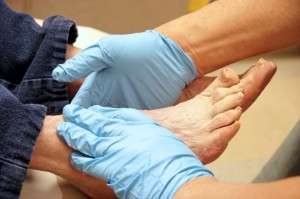
This common fungal infection affects toenails causing them to thicken, discolor and become brittle over time. While not usually dangerous it can cause discomfort and cosmetic concerns requiring treatment intervention.
- Identifying signs: yellowish discoloration , nail thickening , crumbly edges , occasional foul odor ;
- Risk contributors: moist environments inside shoes , weakened immunity , athlete’s foot spreading fungus;
- Diagnosis: clinical observation confirmed by microscopic examination or culture of nail scrapings;
- Treatment approaches: topical antifungal medications for mild cases ; oral antifungals prescribed based on severity & patient health profile ; maintaining dry feet helps prevent recurrence;
Persistence is important since fungal infections require weeks/months for nails to return fully healthy . Good hygiene reduces chance of reinfection .
ACUTE ANKLE SPRAIN
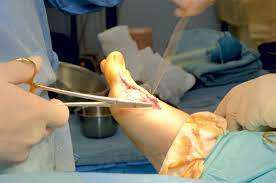
An ankle sprain occurs when ligaments supporting the ankle stretch beyond their limits due to twisting injuries. Immediate attention can lessen recovery time and prevent chronic instability.
- Syndrome presentation: Sudden onset swelling around ankle joint accompanied by bruising and difficulty bearing weight after an injury event like a fall or sports trauma;
DIABETIC FOOT ULCERS CARE
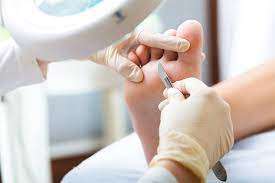
This serious complication arises due to nerve damage and poor circulation in diabetic patients leading to non-healing wounds typically on pressure points of feet. Proper management prevents morbidity including amputation risk.
- Painful/open sores, redness around ulcer site, discharge indicate need for urgent care;
- Causative factors: Neuropathy causing loss of protective sensation combined with peripheral arterial disease;
PLANTAR FASCIITIS TREATMENT
This condition causes inflammation of the thick band of tissue that runs across the bottom of your foot. It often results in stabbing heel pain especially with the first steps in the morning or after rest periods.
- Main symptoms: Heel pain that worsens with activity especially after prolonged rest or standing for long durations.
- Causal factors: Overuse injuries from excessive walking/running, obesity, flat feet, or tight calf muscles can predispose individuals to this condition.
- Diagnostic approach: Primarily clinical diagnosis supported by imaging like ultrasound if needed to exclude other pathologies.
- Treatment strategies: Rest, ice application, stretching exercises for plantar fascia & Achilles tendon; orthotic inserts help support arches; NSAIDs reduce inflammation;
A gradual return to activity combined with adherence to preventive measures usually leads to symptom resolution over weeks. Patience is important as healing times vary among patients.
FOOT FRACTURE MANAGEMENT
A foot fracture involves a break in one or more bones of the foot. It requires appropriate assessment to ensure optimal healing and restore function.
- Symptoms: Sudden intense pain after injury, swelling, bruising, inability to bear weight on the affected foot.
- Diagnosed by: Physical examination alongside X-rays or other imaging techniques confirming bone disruption.
- Treatment options: May include immobilization with casts or splints; severe fractures sometimes need surgical intervention to realign bones properly.
- Management: Pain control, elevation of the foot to reduce swelling, and physical therapy post-healing are crucial steps.
The key goal in managing foot fractures is restoring normal anatomy to prevent long-term disability or deformity. Timely diagnosis improves prognosis significantly.
INGROWN TOENAILS
Ingrown toenails are a common and painful condition where the edge of a toenail grows into the surrounding skin. This often leads to discomfort, swelling, and sometimes infection.
- Symptoms: Redness, tenderness, pain along the nail margin, and possible drainage if infected.
- Causes: Tight footwear, improper nail trimming, trauma to the toe, or genetic predisposition can lead to this problem.
- Diagnosis: Usually diagnosed by physical examination; in some cases, imaging is needed if infection spreads.
- Treatment: Mild cases may improve with warm soaks and proper nail care; more severe or infected nails might require partial nail removal under local anesthesia.
- Expected outcomes: Prompt treatment relieves pain and prevents complications; recurrence can be minimized with proper foot hygiene and nail trimming techniques.
If untreated, an ingrown toenail can cause persistent pain or deeper infection. Early care is important for resolution and comfort.