
Dr Vikas Gupta
About Me
Dr Vikas Gupta
DO
Ophthalmologist
10 Years Experience
Biography
My Clinic
OPD Hours
| Monday | Morning | 10:00 AM | - | 02:00 PM |
| Evening | 06:00 PM | - | 09:00 PM | |
| Tuesday | Morning | 10:00 AM | - | 02:00 PM |
| Evening | 06:00 PM | - | 09:00 PM | |
| Wednesday | Morning | 10:00 AM | - | 02:00 PM |
| Evening | 06:00 PM | - | 09:00 PM | |
| Thursday | Morning | 10:00 AM | - | 02:00 PM |
| Evening | 06:00 PM | - | 09:00 PM | |
| Friday | Morning | 10:00 AM | - | 02:00 PM |
| Evening | 06:00 PM | - | 09:00 PM | |
| Saturday | Morning | 10:00 AM | - | 02:00 PM |
| Evening | 06:00 PM | - | 09:00 PM | |
| Sunday | Morning | 10:00 AM | - | 02:00 PM |
| Evening | 06:00 PM | - | 09:00 PM |
Treatments
Specialised care and treatments offered
DRY EYE SYNDROME MANAGEMENT
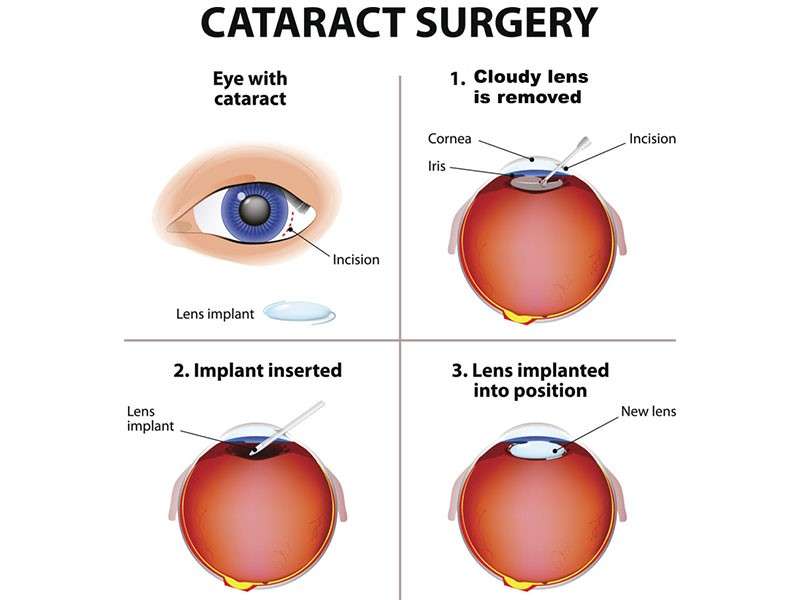
Dry Eye Syndrome occurs when there aren't enough tears to lubricate the eyes adequately. This common issue often leads to discomfort but can be managed effectively through various strategies tailored to individual needs.
- Common signs include persistent dryness, gritty sensations in your eyes, burning feelings after prolonged screen time.
- A thorough evaluation involves discussing symptoms alongside tests measuring tear production rates allowing accurate diagnosis based on patient history too!
- Typical management options range from artificial tear drops usage daily supplemented by punctal plugs placement blocking tear drainage improving moisture retention overall!
- Regular check-ins enable authorities monitor effectiveness managing ongoing dry conditions allowing timely adjustments if necessary throughout care plan implementation.
Taking steps addressing these issues surely impacts comfort positively boosting productivity living balanced day-to-day life!
RETINAL DETACHMENT REPAIR
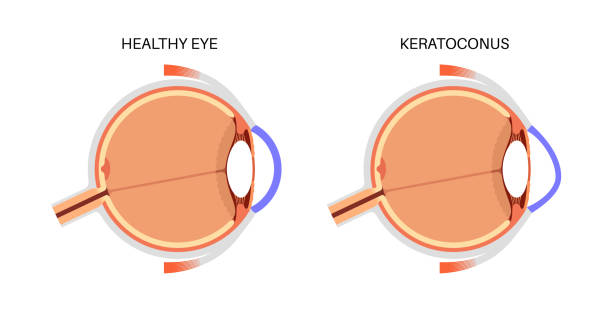
A retinal detachment is an urgent medical condition where the retina separates from its underlying supportive tissue. Quick diagnosis and treatment are essential to prevent permanent vision loss associated with this serious issue.
- Symptoms often include sudden flashes of light, floaters in your field of vision, or a shadow obscuring part of your view.
- An ophthalmologist conducts a dilated eye exam along with imaging tests like ultrasound to confirm detachment severity and location for appropriate intervention planning.
- Surgical procedures such as reattachment using lasers or cryotherapy are commonly performed depending on severity and area affected
- Your recovery process will involve follow-up visits to assess healing progress while adhering strictly to post-operative care instructions given by your doctor for optimal outcomes
A timely response significantly increases chances for visual recovery when faced with retinal detachment concerns!
AGE-RELATED MACULAR DEGENERATION (AMD)
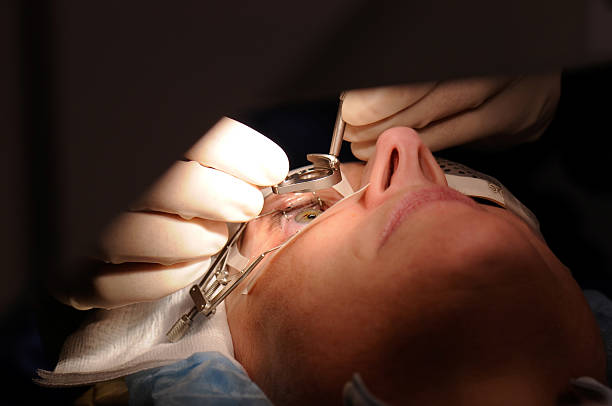
Age-related macular degeneration is a common condition that affects older adults' central vision due to damage in the retina's macula. Recognizing its symptoms early can help you manage this condition effectively.
- You may notice blurred or distorted vision as well as difficulty recognizing faces or reading fine print as AMD progresses.
- A detailed eye exam using specialized imaging techniques helps diagnose AMD by examining retinal structures closely.
- Treatment includes lifestyle changes, nutritional supplements, and possibly laser therapy aimed at slowing disease progression and maintaining quality of life.
- Regular follow-ups allow monitoring of vision changes and treatment efficacy over time, ensuring optimal management strategies are employed.
Staying proactive about your eye health enhances your chances of sustaining good vision during aging years.
GLAUCOMA SCREENING
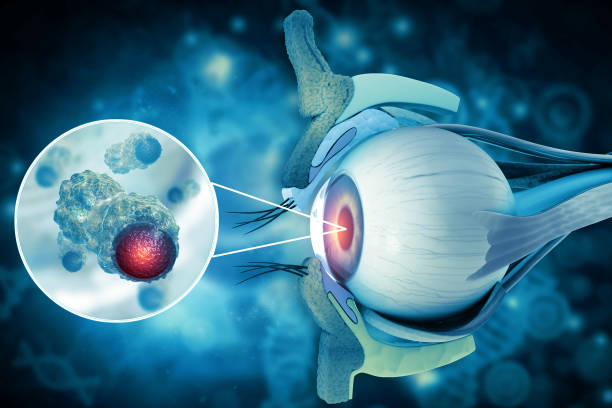
Glaucoma encompasses a group of eye diseases that damage the optic nerve, often related to increased pressure inside the eye. Regular screening is vital as it can detect early signs before noticeable symptoms occur.
- You might not experience noticeable symptoms initially; however, some may report headaches or peripheral vision loss over time.
- A comprehensive eye examination including tonometry measures intraocular pressure and helps diagnose glaucoma early on.
- Treatment options vary from prescription medications to surgical interventions aimed at lowering intraocular pressure.
- Regular check-ups are essential since glaucoma is often progressive but manageable with timely care and monitoring.
Early detection plays a crucial role in preserving sight, underscoring the importance of routine screenings especially for those at higher risk.
CATARACT SURGERY
Cataracts are a common condition where the lens of the eye becomes cloudy, leading to impaired vision. They usually develop slowly and can be treated effectively with surgery when they interfere with daily activities.
- Common signs can include cloudy or blurry vision, increased difficulty seeing at night, or sensitivity to light.
- A thorough eye examination will help confirm cataract diagnosis, assessing visual acuity and lens clarity.
- The primary treatment is surgical removal of the cloudy lens followed by implantation of an artificial lens.
- Post-operative care includes follow-up visits to ensure proper healing and monitoring for any complications.
Cataract surgery has a high success rate in restoring vision and improving quality of life for patients.
DIABETIC RETINOPATHY
Diabetic retinopathy is a serious eye condition that can affect people with diabetes. It occurs when high blood sugar levels damage the tiny blood vessels in the retina. Early detection is crucial for preventing severe vision loss.
- Symptoms may include blurred vision, dark spots, or difficulty seeing colors.
- This condition is diagnosed through a comprehensive eye exam, which may involve dilation of the pupils to examine the retina more thoroughly.
- Treatment options include managing blood sugar levels, laser therapy, or injections into the eye to reduce swelling and prevent further damage.
- Patients can expect regular monitoring to assess any progression of the disease and necessary adjustments to treatment plans.
Timely intervention and lifestyle changes can significantly improve outcomes for those affected.