
Dr Vikas Pilaniy
About Me
Dr Vikas Pilaniy
MD
Pulmonologist
10 Years Experience
Biography
My Clinic
OPD Hours
| Monday | Morning | 10:00 AM | - | 02:00 PM |
| Evening | 06:00 PM | - | 09:00 PM | |
| Tuesday | Morning | 10:00 AM | - | 02:00 PM |
| Evening | 06:00 PM | - | 09:00 PM | |
| Wednesday | Morning | 10:00 AM | - | 02:00 PM |
| Evening | 06:00 PM | - | 09:00 PM | |
| Thursday | Morning | 10:00 AM | - | 02:00 PM |
| Evening | 06:00 PM | - | 09:00 PM | |
| Friday | Morning | 10:00 AM | - | 02:00 PM |
| Evening | 06:00 PM | - | 09:00 PM | |
| Saturday | Morning | 10:00 AM | - | 02:00 PM |
| Evening | 06:00 PM | - | 09:00 PM | |
| Sunday | Morning | 10:00 AM | - | 02:00 PM |
| Evening | 06:00 PM | - | 09:00 PM |
Treatments
Specialised care and treatments offered
CHRONIC COUGH EVALUATION
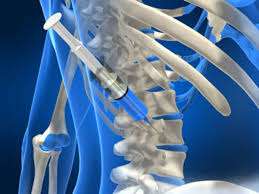
A chronic cough lasting more than eight weeks can be indicative of various underlying conditions requiring proper evaluation. Identifying the cause is essential not just for treatment but also for improving patient comfort during daily activities!
- The primary symptoms accompanying chronic cough can include wheezing and shortness of breath alongside coughing fits that disrupt daily routines
- A thorough medical history assessment paired with diagnostic tests like chest X-rays or spirometry helps pinpoint causative factors behind persistent coughing episodes.
- Possible management strategies encompass prescription medications aimed at treating allergies or infections contributing towards cough development resulting ultimately in effective symptom relief!
- Patients are encouraged not only remain patient but also maintain open communication continually evaluating treatment success!
Addressing chronic cough promptly minimizes long-term impacts while providing patients reassurance via focused care efforts tackling unresolved respiratory concerns!
SLEEP APNEA EVALUATION AND TREATMENT

Sleep apnea is a common disorder that causes interruptions in breathing during sleep. It can lead to serious health issues if left untreated; hence proper evaluation is critical for effective management.
- Sufferers may experience loud snoring, daytime fatigue, or frequent awakenings throughout the night., making diagnosis essential for cases suspected based on symptoms alone
- Diagnosis often involves overnight sleep studies (polysomnography) or home-based monitors to assess breathing patterns during sleep.
- Treatment options range from lifestyle modification and CPAP therapy to dental appliances depending on severity.
- Patients might also explore surgical interventions if other treatments prove ineffective in alleviating symptoms.
Properly addressing sleep apnea can lead not only to improved sleep quality but significant health benefits over time through effective management.
PULMONARY REHABILITATION

Pulmonary rehabilitation is a specialized program designed for individuals with chronic lung diseases such as COPD or pulmonary fibrosis. It aims to improve the patient's overall physical functionality and quality of life through targeted strategies.
- Common indicators for participation include fatigue during routine activities or increased breathlessness upon exertion.
- An initial assessment usually includes a comprehensive review of medical history along with exercise testing and pulmonary function evaluations.
- The program features tailored exercise plans, nutritional advice, education about managing respiratory conditions, and psychological support if necessary.
- Participants can look forward to improved endurance levels and reduced hospital admissions over time as part of their rehabilitation process.
Pulmonary rehabilitation plays a crucial role in empowering patients with chronic lung issues by equipping them with tools for better self-management and health improvement strategies.
INTERVENTIONAL PULMONOLOGY

Interventional pulmonology encompasses a variety of minimally invasive procedures designed to diagnose and treat lung conditions. This field significantly enhances patient management by utilizing advanced techniques that minimize recovery time.
- Common symptoms indicating potential lung issues include persistent cough, chest pain, or unexplained weight loss.
- The diagnosis may involve imaging tests such as CT scans or bronchoscopies to visualize lung abnormalities directly.
- Treatment options can include procedures like endobronchial ultrasound (EBUS) or rigid bronchoscopy for biopsies or clearing blockages.
- Patients typically benefit from reduced hospital stays and quicker returns to daily activities due to these minimally invasive approaches.
Through interventional pulmonology, physicians are better equipped to address complex respiratory problems while ensuring patient comfort and safety throughout the process.
EOSINOPHILIC ESOPHAGITIS MANAGEMENT

Eosinophilic esophagitis (EoE) is an allergic inflammatory condition affecting the esophagus. Patients with EoE may experience difficulty swallowing and food impaction due to chronic inflammation from eosinophils.
- Main symptoms include chest pain, difficulty swallowing (dysphagia), and food getting stuck in the throat.
- Diagnosis typically involves an endoscopic examination and biopsy to confirm the presence of eosinophils in esophageal tissue.
- Management may include dietary changes to eliminate triggers, medications like corticosteroids, and regular monitoring for symptom improvement.
- Patients should be prepared for ongoing follow-up appointments to manage this chronic condition effectively.
A comprehensive approach ensures that individuals with eosinophilic esophagitis receive optimal care tailored to their specific needs.
BRONCHIAL THERMOPLASTY

Bronchial thermoplasty is a minimally invasive procedure aimed at treating asthma by reducing the amount of smooth muscle in the airways. This treatment is specifically effective for patients with severe asthma who have not found relief through traditional medications.
- Symptoms such as wheezing, shortness of breath, and persistent coughing can indicate the need for this procedure.
- Diagnosis often includes a thorough evaluation of medical history, pulmonary function tests, and imaging studies.
- Treatment involves delivering thermal energy to the airway walls through a bronchoscope, which helps decrease airway constriction.
- Patients can expect some degree of discomfort post-procedure; however, most return to normal activities within days.
- This method offers long-term benefits, often improving overall quality of life for asthma sufferers.
With innovative techniques like bronchial thermoplasty, patients have newfound hope in managing their asthma effectively.