
Dr Vikas Sharma P
About Me
Dr Vikas Sharma P
DO
Ophthalmologist
Biography
My Clinic
OPD Hours
| Monday | Morning | 10:00 AM | - | 02:00 PM |
| Evening | 06:00 PM | - | 09:00 PM | |
| Tuesday | Morning | 10:00 AM | - | 02:00 PM |
| Evening | 06:00 PM | - | 09:00 PM | |
| Wednesday | Morning | 10:00 AM | - | 02:00 PM |
| Evening | 06:00 PM | - | 09:00 PM | |
| Thursday | Morning | 10:00 AM | - | 02:00 PM |
| Evening | 06:00 PM | - | 09:00 PM | |
| Friday | Morning | 10:00 AM | - | 02:00 PM |
| Evening | 06:00 PM | - | 09:00 PM | |
| Saturday | Morning | 10:00 AM | - | 02:00 PM |
| Evening | 06:00 PM | - | 09:00 PM | |
| Sunday | Morning | 10:00 AM | - | 02:00 PM |
| Evening | 06:00 PM | - | 09:00 PM |
Treatments
Specialised care and treatments offered
RETINAL DETACHMENT AWARENESS
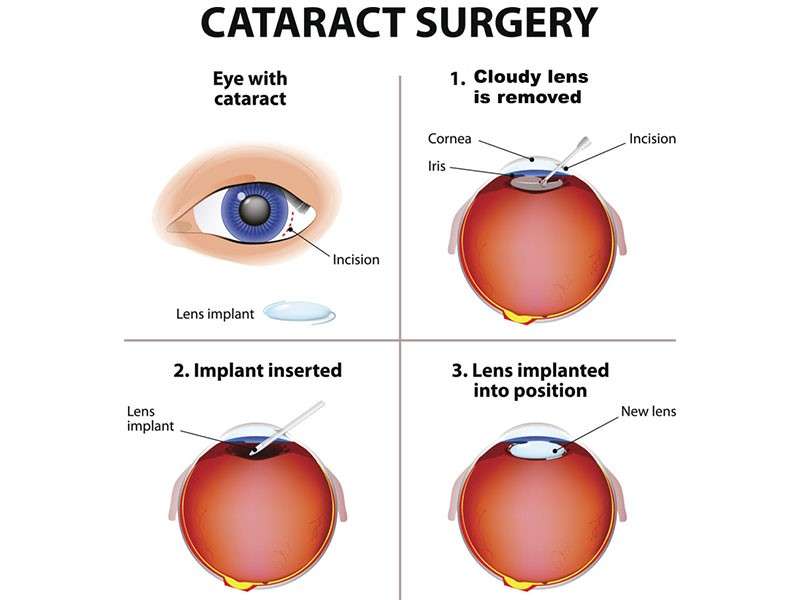
A serious condition where the retina separates from its underlying layer threatens vision if not treated promptly. Recognizing warning signs early on is vital for safeguarding eyesight in patients at risk of retinal detachment due to factors like age or existing ocular conditions.
- Key symptoms include sudden flashes of light or floaters appearing in one’s field of vision followed by a shadow over peripheral sight areas;
- Diagnosis runs through comprehensive dilated fundus examinations assessing tears/detachment via imaging studies like ultrasound if indicated;
- Immediate treatment might vary from laser treatments sealing tears within hours leading up emergency surgical repair options depending severity levels experienced by patient following intervention urgency determined by physician evaluation thoroughness done properly within prescribed timelines.;
Awareness about these symptoms enables timely clinical referrals ensuring effective restorations possible whenever managing this potentially damaging affliction occurs within optometric practices daily routine engagements!
COMPUTER VISION SYNDROME (CVS)
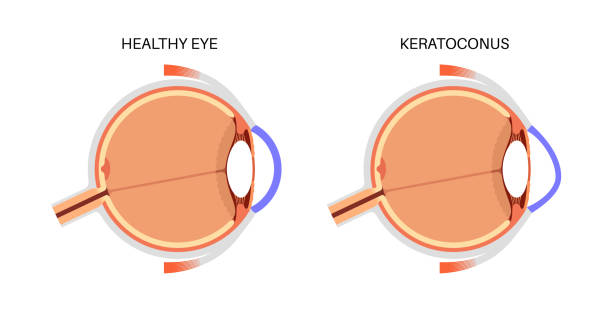
This syndrome encompasses various visual discomforts experienced by individuals who spend prolonged periods on digital screens. It has become increasingly prevalent in today’s technology-driven society due to our reliance on computers and devices for work and leisure activities.
- The main symptoms include eyestrain, headaches, blurred vision, dry eyes, and neck/shoulder pain after extended screen time;
- A comprehensive assessment evaluates visual skills along with examining how digital technology contributes to discomfort;
- Treatment strategies aim at reducing strain often through corrective lenses tailored for computer use or implementing regular breaks using the 20-20-20 rule (look at something 20 feet away for 20 seconds every 20 minutes);
- Simple changes like adjusting screen brightness settings or ensuring proper ergonomic setups also enhance comfort during usage;
By being mindful of screen habits combined with practical adjustments allows individuals experiencing CVS relief while maximizing productivity without compromising their eye health.
AGE-RELATED MACULAR DEGENERATION (AMD)

A common cause of vision loss among older adults, Age-Related Macular Degeneration affects the macula, leading to blurred or distorted central vision. Understanding this condition plays a key role in maintaining visual health as one ages.
- The primary symptoms include gradual loss of central vision and difficulty recognizing faces or reading fine print.
- Disease diagnosis typically involves detailed eye exams including visual acuity tests and imaging techniques like retinal scans to assess macular health;
- Treatment may involve nutritional supplements rich in antioxidants, laser therapy, or injections into the eye that target abnormal blood vessels if necessary;
- Lifestyle choices such as quitting smoking and adopting a diet rich in leafy greens also contribute positively to managing AMD progression;
Persistent follow-up care helps maximize remaining vision potential through tailored treatment strategies suited for each individual case.
ALLERGIC CONJUNCTIVITIS
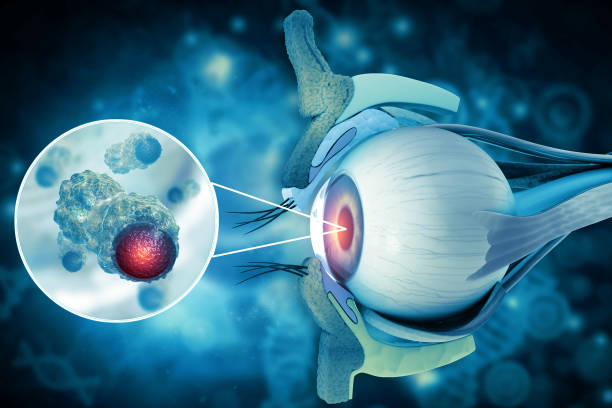
This condition is an inflammation of the conjunctiva due to allergens such as pollen or pet dander. Allergic conjunctivitis can cause significant discomfort but is usually treatable with simple measures.
- Common symptoms include redness, itchiness, tearing, and swelling around the eyes.
- A medical professional will typically diagnose this condition through patient history and examination of ocular symptoms.
- Treatment often includes antihistamine eye drops or oral medications that alleviate allergic reactions; avoiding known allergens significantly helps reduce occurrences.
- Cooling compresses applied to closed eyes can provide immediate relief from itching and swelling while maintaining comfort.
This condition is manageable with proper attention to both environmental triggers and medical advice for symptom relief.
GLAUCOMA MANAGEMENT
Glaucoma is a progressive eye disease characterized by damage to the optic nerve, often associated with increased intraocular pressure. Early detection is crucial for effective management and preservation of vision.
- The initial symptoms may be subtle but can include loss of peripheral vision and difficulty seeing in low light.
- A comprehensive eye examination helps diagnose glaucoma through tests measuring optic nerve health and intraocular pressure levels.
- Treatment usually starts with prescription eye drops aimed at lowering pressure; oral medications may also be utilized if necessary.
- Lifestyle modifications such as regular exercise and dietary changes can help manage the condition alongside medical treatments.
- Regular follow-up visits are essential for monitoring progression and adjusting treatment plans as needed.
With consistent care, many people with glaucoma can maintain their vision effectively over time.
DRY EYE SYNDROME
Dry Eye Syndrome is a common condition affecting many individuals and involves insufficient lubrication of the eye surface. This can lead to discomfort, visual disturbances, and potential damage to the eye's external tissues.
- Symptoms include a stinging or burning sensation, sensitivity to light, red eyes, and blurred vision during reading or screen use.
- Diagnosis often involves a thorough eye examination using special tests that assess tear production and surface integrity.
- Treatment options may include over-the-counter lubricating eye drops, prescription medications to increase tear production, and lifestyle changes such as using humidifiers or taking breaks from screens.
- Patients are encouraged to practice good eyelid hygiene; warm compresses can also be beneficial in managing symptoms.
- With appropriate treatment, many patients experience significant relief and improvement in quality of life.
Overall, with proper management strategies in place, individuals suffering from Dry Eye Syndrome can enjoy more comfortable vision.