
Dr Vikas Thanvi
About Me
Dr Vikas Thanvi
MBBS
Therapist
10 Years Experience
Biography
My Clinic
OPD Hours
| Monday | Morning | 10:00 AM | - | 02:00 PM |
| Evening | 06:00 PM | - | 09:00 PM | |
| Tuesday | Morning | 10:00 AM | - | 02:00 PM |
| Evening | 06:00 PM | - | 09:00 PM | |
| Wednesday | Morning | 10:00 AM | - | 02:00 PM |
| Evening | 06:00 PM | - | 09:00 PM | |
| Thursday | Morning | 10:00 AM | - | 02:00 PM |
| Evening | 06:00 PM | - | 09:00 PM | |
| Friday | Morning | 10:00 AM | - | 02:00 PM |
| Evening | 06:00 PM | - | 09:00 PM | |
| Saturday | Morning | 10:00 AM | - | 02:00 PM |
| Evening | 06:00 PM | - | 09:00 PM | |
| Sunday | Morning | 10:00 AM | - | 02:00 PM |
| Evening | 06:00 PM | - | 09:00 PM |
Treatments
Specialised care and treatments offered
MOTIVATIONAL INTERVIEWING
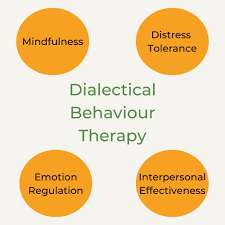
A counseling style designed to enhance an individual's motivation for change by exploring ambivalence towards specific behaviors disruptive to health or well-being.
INTERPERSONAL THERAPY (IPT)
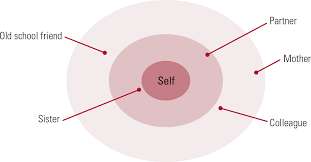
An evidence-based treatment focusing on improving interpersonal functioning as a means to reduce psychological symptoms like depression or anxiety disorders.
- false.false
- false.false/>
- Main complaints addressed: . Problems related to grief, role disputes, and interpersonal deficits may contribute significantly to mental health issues.
- Evaluation: . Through clinical interviews, a therapist identifies interpersonal problem areas negatively affecting emotional stability
- Treatment method: . Sessions involve exploring relationships, developing communication skills, and resolving conflicts within personal networks.
- Status throughout treatment: . IPT is usually short-term, running approximately 12-16 weeks focusing on current social interactions rather than past events.
- If successful: . Improved relationships often lead to symptom relief and overall better emotional well-being.
- false.falsefalse">
- false.falseTrueFalsefalse.falseList(true,false,false,true)>
- false.falseFalse>false.true,false,false,true">
- false.true,true,false,true">
- true.FalseFalse>true.false>">
An emphasis on connecting meaningfully with others facilitates healing during difficult times through targeted relational interventions. p>
MINDFULNESS-BASED STRESS REDUCTION (MBSR)
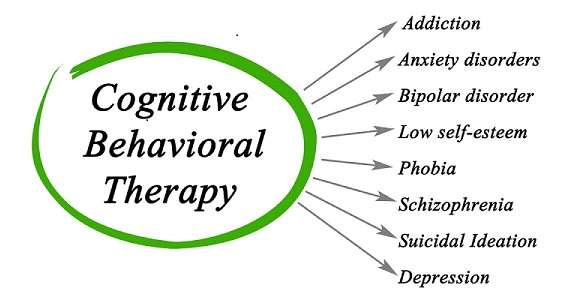
A therapeutic program that uses mindfulness meditation to alleviate various psychological conditions by fostering present-moment awareness without judgment.
- Causative factors targeted: Chronic anxiety, pain syndromes, and psychological distress influenced by ruminative thought patterns benefit from this practice.
- Efficacy assessment: Symptom tracking before and after sessions can measure reductions in stress perception and increased emotional regulation abilities.
- Treatment format: Typically an 8-week group course combining guided meditations, gentle yoga, and mindful awareness practices performed daily at home between sessions.
- The role of instructor-led sessions: Facilitated learning assists participants in developing skills for integrating mindfulness into everyday situations effectively.
BEHAVIORAL ACTIVATION THERAPY
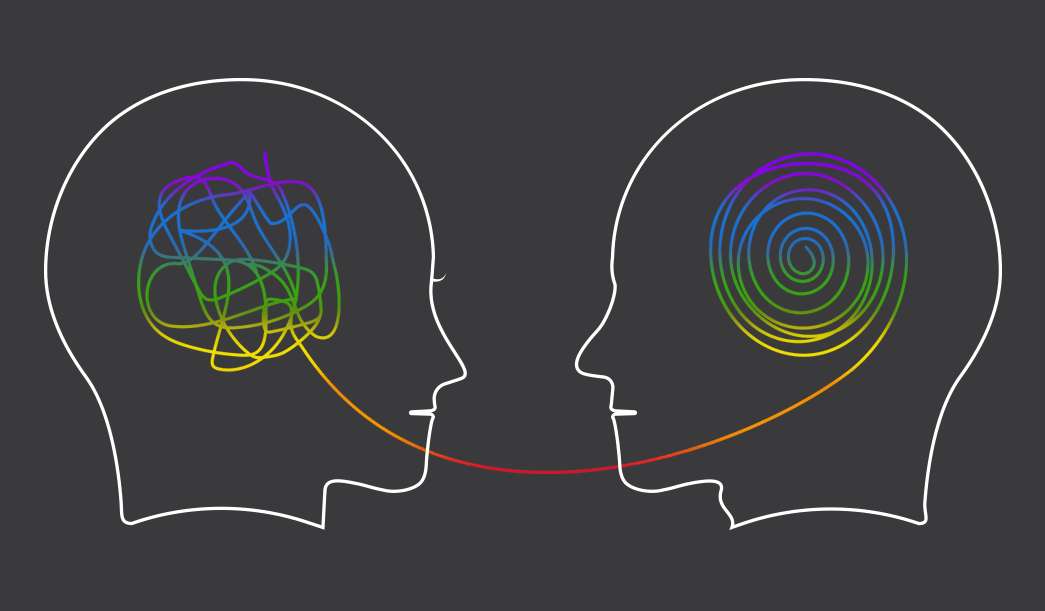
This therapy focuses on helping individuals engage more with rewarding activities to counteract depression and inactivity.
- Main issues addressed: Low motivation, withdrawal from social interaction, and decreased participation in pleasurable tasks are common signs prompting this treatment.
- Diagnostic process: Clinical evaluation determines the degree of behavioral avoidance contributing to mood disturbances.
- Treatment elements: Scheduling enjoyable or meaningful activities incrementally increases engagement to improve mood regulation.
- Therapy duration: Structured sessions guide patients through identifying barriers and setting achievable goals over several weeks to months.
- Treatment results: Increased activity levels generally lead to enhanced mood and reduced depressive symptoms over time.
This effective approach helps restore interest in life’s positive experiences through actionable steps tailored to the patient’s lifestyle.
RELAXATION TECHNIQUES FOR STRESS MANAGEMENT
Managing stress through relaxation techniques improves physical and psychological well-being by reducing the body's stress response.
- Causes of stress: Daily pressures, work demands, or emotional challenges trigger the sympathetic nervous system.
- Assessment: Understanding personal stressors via consultations helps tailor relaxation strategies appropriately.
- Techniques included: Deep breathing exercises, progressive muscle relaxation, guided imagery, and mindfulness meditation are commonly used methods.
- Treatment approach: Regular practice of these techniques reduces symptoms such as tension headaches, insomnia, and irritability.
- Expectations: Patients often notice calmer mood states and improved focus within weeks of consistent use.
The goal is to teach individuals how to activate the body's natural relaxation response on demand for better health outcomes.
COGNITIVE BEHAVIORAL THERAPY (CBT)
Cognitive Behavioral Therapy is a structured, time-limited psychotherapy aimed at addressing dysfunctional emotions and behaviors by modifying negative thought patterns.
- Symptoms/causes: Often used for anxiety, depression, phobias, and stress-related disorders caused by maladaptive thinking.
- Diagnosis: Assessment through clinical interviews and standardized questionnaires helps identify cognitive distortions impacting mental health.
- Treatment: CBT involves working with a therapist to develop coping skills, challenge negative thoughts, and practice behavior modification techniques.
- Management: Sessions are typically weekly over several months, with homework assignments to reinforce learning outside therapy.
- Outcomes: Patients can expect gradual improvement in mood and functioning with active participation.
This therapy empowers individuals by teaching practical strategies to manage their symptoms effectively.