
Dr Vikram Bohra B
About Me
Dr Vikram Bohra B
MS
Urologists
10 Years Experience
Biography
My Clinic
OPD Hours
| Monday | Morning | 10:00 AM | - | 02:00 PM |
| Evening | 06:00 PM | - | 09:00 PM | |
| Tuesday | Morning | 10:00 AM | - | 02:00 PM |
| Evening | 06:00 PM | - | 09:00 PM | |
| Wednesday | Morning | 10:00 AM | - | 02:00 PM |
| Evening | 06:00 PM | - | 09:00 PM | |
| Thursday | Morning | 10:00 AM | - | 02:00 PM |
| Evening | 06:00 PM | - | 09:00 PM | |
| Friday | Morning | 10:00 AM | - | 02:00 PM |
| Evening | 06:00 PM | - | 09:00 PM | |
| Saturday | Morning | 10:00 AM | - | 02:00 PM |
| Evening | 06:00 PM | - | 09:00 PM | |
| Sunday | Morning | 10:00 AM | - | 02:00 PM |
| Evening | 06:00 PM | - | 09:00 PM |
Treatments
Specialised care and treatments offered
VASECTOMY
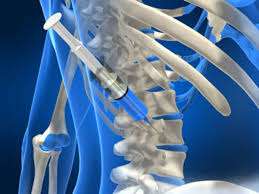
A vasectomy is a safe surgical procedure designed for male sterilization which prevents sperm release thus offering long-term contraceptive benefits without affecting hormone levels adversely like some alternative methods do — making it attractive option among couples considering family planning choices!
- Benefits & Advantages: Vasectomy boasts several advantages including minimal recovery time requiring only local anesthesia while guaranteeing effective prevention post-procedure at rate exceeding 99%. Additionally once completed couples won’t worry about unintended pregnancies again!
PEYRONIE'S DISEASE

Peyronie's disease involves the development of fibrous scar tissue inside the penis leading to curved erections which may be painful. This condition can affect sexual health significantly if untreated.
- Symptoms : Patients typically experience noticeable curvature during erections accompanied by potential discomfort; some may observe palpable lumps on penile tissue.
- Causes : The specific cause often remains unclear but might stem from trauma during intercourse resulting in abnormal healing responses along with possible genetic predispositions influencing collagen production irregularities.
- Diagnosis : Clinical evaluation by healthcare professionals includes medical history review alongside physical exams assessing curvature severity while also ruling out other erectile dysfunction causes.
- Treatment options : Options range from observation for mild cases requiring no active intervention through oral medications targeting plaque reduction into nonsurgical therapies like traction devices aimed at minimizing deformity over time backed up by potential surgical corrective measures based on patients' needs.
- What To Expect : Successful management strategies highly depend on individualized approaches tailored specifically according each person’s unique circumstances—patients experiencing improvements following adherence towards recommended care pathways frequently report enhanced confidence regarding interpersonal relationships thereafter!
Awareness about Peyronie’s disease empowers men navigating these sensitive issues; discussing openly fosters finding suitable resolutions yielding positive outcomes!
OVERACTIVE BLADDER

An overactive bladder leads to a frequent need to urinate and an urgent feeling that can be distressing. Understanding this condition is vital as it affects various aspects of daily living.
- Symptoms: Key signs include urgency (a sudden need to urinate), frequency of urination during day and night (nocturia), and sometimes urge incontinence where leakage occurs before reaching the toilet.
- Causes: The underlying causes can be diverse but often relate to nerve signals malfunctioning between brain and bladder muscles due either aging or neurological conditions such as multiple sclerosis.
- Diagnosis : A detailed medical history coupled with bladder scans or urodynamics can accurately assess bladder function and rule out other issues such as infections.
- Treatment options : Management may include lifestyle changes such as bladder training alongside medications targeting muscle control; Botulinum toxin injections could be considered if other methods fail.
- What to expect : While there’s no one-size-fits-all cure for overactive bladder syndrome (OAB), many patients see substantial symptom relief with targeted therapy plans customized according their particular cases.
Don’t let an overactive bladder disrupt your routine; several effective strategies can enhance comfort levels significantly!
KIDNEY STONES

Kidney stones are hard deposits made of minerals and salts that form inside the kidneys. These stones can cause intense pain and other complications if not addressed promptly.
- Symptoms: Typical symptoms include sharp pain in the back or side, blood in urine, nausea, vomiting, and painful urination.
- Causes: Factors include dehydration, certain diets high in oxalates or sodium, obesity, or metabolic disorders that lead to stone formation.
- Diagnosis: Diagnosis is usually confirmed via imaging techniques like X-rays or CT scans along with urine analysis to determine stone composition.
- Treatment options: Depending on size and location of the stone, treatments vary from increased fluid intake for smaller stones to shock wave lithotripsy or surgical removal for larger ones.
- What to expect: After treatment, follow-up appointments are essential for monitoring recurrence risk and ensuring kidney health remains optimal.
If you suspect kidney stones due to acute pain or other symptoms, timely intervention is crucial to manage the condition effectively.
BENIGN PROSTATIC HYPERPLASIA (BPH)

Benign prostatic hyperplasia is a non-cancerous enlargement of the prostate gland that commonly affects older men. It can lead to uncomfortable urinary symptoms that may interfere with daily activities.
- Symptoms: Patients often experience frequent urination, difficulty starting urination, weak urine flow, or the sensation of incomplete bladder emptying.
- Causes: The exact cause is linked to hormonal changes as men age; however, genetic disposition also plays a role.
- Diagnosis: Diagnosis typically involves a physical exam including a digital rectal exam (DRE), blood tests for prostate-specific antigen (PSA), and additional imaging as needed.
- Treatment options: Treatment may range from watchful waiting for mild cases to medications like alpha-blockers or 5-alpha-reductase inhibitors. Surgical interventions might be recommended for severe symptoms.
- What to expect: Many patients experience relief from symptoms following treatment, enhancing overall quality of life.
A proper diagnosis is essential in managing BPH effectively through suitable treatments tailored to individual needs.
URINARY INCONTINENCE

Urinary incontinence can significantly impact daily life, causing both physical and emotional distress. This condition refers to the involuntary leakage of urine, which may be mild or severe.
- Symptoms: Common signs include a sudden urge to urinate, leaking when coughing or laughing, and frequent nighttime trips to the bathroom.
- Causes: Various factors contribute to this condition, including weakened pelvic muscles, neurological disorders, or urinary tract infections.
- Diagnosis: A detailed patient history and physical examination are vital. Tests may include bladder diaries and urodynamic studies for a comprehensive assessment.
- Treatment options: Management strategies range from lifestyle modifications and pelvic floor exercises to medications and minimally invasive procedures like nerve stimulation.
- What to expect: Treatment effectiveness varies per individual; however, many find significant improvements in symptoms with appropriate interventions.
If you're struggling with urinary incontinence, seeking evaluation can help you regain control over your life.