
Dr Vikram Sharma
About Me
Dr Vikram Sharma
MD
Pulmonologist
10 Years Experience
Biography
My Clinic
OPD Hours
| Monday | Morning | 10:00 AM | - | 02:00 PM |
| Evening | 06:00 PM | - | 09:00 PM | |
| Tuesday | Morning | 10:00 AM | - | 02:00 PM |
| Evening | 06:00 PM | - | 09:00 PM | |
| Wednesday | Morning | 10:00 AM | - | 02:00 PM |
| Evening | 06:00 PM | - | 09:00 PM | |
| Thursday | Morning | 10:00 AM | - | 02:00 PM |
| Evening | 06:00 PM | - | 09:00 PM | |
| Friday | Morning | 10:00 AM | - | 02:00 PM |
| Evening | 06:00 PM | - | 09:00 PM | |
| Saturday | Morning | 10:00 AM | - | 02:00 PM |
| Evening | 06:00 PM | - | 09:00 PM | |
| Sunday | Morning | 10:00 AM | - | 02:00 PM |
| Evening | 06:00 PM | - | 09:00 PM |
Treatments
Specialised care and treatments offered
ALLERGY TESTING
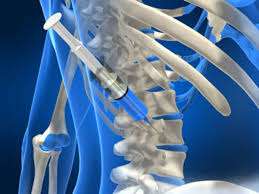
An allergy test helps identify substances causing allergic reactions. Common allergies relate to food, pollen, dust mites, animal dander among others; understanding these triggers enables effective avoidance strategies!
LUNG CANCER SCREENING

Lung cancer screening aims to detect lung cancer early when it may be more treatable. High-risk individuals are primarily targeted for screening programs based on specific criteria including age and smoking history.
- The most common symptoms, if present at later stages, can include a persistent cough, coughing up blood, unexplained weight loss, and chest pain.
However early-stage lung cancer often presents few noticeable symptoms; hence screening becomes vital for at-risk groups!
PULMONARY FUNCTION TESTS

Pulmonary function tests (PFTs) are essential diagnostic tools used to assess lung function. These tests help measure how well your lungs take in oxygen and expel carbon dioxide efficiently.
- Mainly symptoms prompting these tests include unexplained shortness of breath or chronic cough among other respiratory issues.
- PFTs generally include spirometry, lung volume measurement, and diffusion capacity tests to provide a comprehensive assessment of lung health.
- The results help guide treatment decisions for conditions such as asthma or COPD through targeted therapies based on severity levels observed during testing.
- Post-test follow-ups ensure that patients understand their results as well as implications for ongoing healthcare management.
Pulmonary function tests are pivotal in not just diagnosing respiratory diseases but also tailoring personalized treatment plans effectively!
SLEEP APNEA SCREENING

Sleep apnea is a disorder that leads to repeated interruptions in breathing during sleep. This can result in poor sleep quality and various health complications if left untreated.
- The most common type is obstructive sleep apnea (OSA), characterized by loud snoring followed by episodes of silence during sleep.
- A proper diagnosis requires a sleep study (polysomnography) to monitor your breathing patterns throughout the night.
- Treatment options range from lifestyle changes like weight loss to using continuous positive airway pressure (CPAP) devices or even surgery in severe cases.
- Persistent follow-up is critical to ensure effective treatment adjustments based on individual responses over time.
Getting screened for sleep apnea can significantly enhance quality of life through better sleep hygiene and overall health improvement.
CHRONIC OBSTRUCTIVE PULMONARY DISEASE (COPD)

COPD is a progressive lung disease characterized by persistent respiratory symptoms and airflow limitation. This condition primarily arises due to long-term exposure to harmful particles or gases.
- The main symptoms include chronic cough, excessive sputum production, and shortness of breath during physical activities.
- A specialist will conduct diagnostic tests, including spirometry, imaging studies, and a review of medical history to confirm the diagnosis.
- Treatment options may involve bronchodilators, steroids, pulmonary rehabilitation programs, and lifestyle modifications such as smoking cessation.
- Patients should face their condition proactively; regular follow-ups enhance overall management and quality of life.
Effective management can slow disease progression and improve well-being for those suffering from COPD.
ASTHMA MANAGEMENT

Asthma is a chronic respiratory condition that can significantly affect daily activities. It involves inflammation and narrowing of the airways, making breathing difficult. Understanding asthma management is crucial for those affected.
- Symptoms often include wheezing, shortness of breath, chest tightness, and chronic cough.
- A thorough diagnosis typically involves lung function tests, peak flow monitoring, and evaluating symptoms.
- Treatment options include inhaled corticosteroids, bronchodilators, and avoiding triggers such as allergens or pollutants.
- Regular check-ups help manage the condition effectively and adjust treatment as necessary.
- Patients can expect improved quality of life with proper management strategies in place.
By properly managing asthma, individuals can lead active lives with minimal interruptions from symptoms.