
Dr Vikram Yadav
About Me
Dr Vikram Yadav
MBBS
General Physician
Biography
My Clinic
OPD Hours
| Monday | Morning | 10:00 AM | - | 02:00 PM |
| Evening | 06:00 PM | - | 09:00 PM | |
| Tuesday | Morning | 10:00 AM | - | 02:00 PM |
| Evening | 06:00 PM | - | 09:00 PM | |
| Wednesday | Morning | 10:00 AM | - | 02:00 PM |
| Evening | 06:00 PM | - | 09:00 PM | |
| Thursday | Morning | 10:00 AM | - | 02:00 PM |
| Evening | 06:00 PM | - | 09:00 PM | |
| Friday | Morning | 10:00 AM | - | 02:00 PM |
| Evening | 06:00 PM | - | 09:00 PM | |
| Saturday | Morning | 10:00 AM | - | 02:00 PM |
| Evening | 06:00 PM | - | 09:00 PM | |
| Sunday | Morning | 10:00 AM | - | 02:00 PM |
| Evening | 06:00 PM | - | 09:00 PM |
Treatments
Specialised care and treatments offered
LIFESTYLE COUNSELING
Lifestyle counseling serves as an integral part of preventative medicine aimed at improving overall well-being. By addressing key aspects like diet, exercise habits ,and stress management techniques patients can foster healthier lifestyles conducive towards decreasing chronic disease risks encountered frequently over time .
- Counseling sessions often focus on identifying personal goals along with establishing practical strategies tailored towards achieving them effectively .
- Evaluating current habits provides insight into areas needing improvement allowing customization within dietary choices , exercise routines , sleep patterns etc .
- The role varies from simple suggestions made during occasional visits continuing however requires regular check-ins ensuring adherence landed upon each patient's unique necessities .
- Emotional support remains paramount aiding motivation thus promoting sustained positive evolution stemming from guided self-discovery focused reintegration into fulfilling day-to-day living practices .
Commitment leads not only toward individual growth but collective enhancement regarding community resilience shaping public health standards seen positively influencing broader societal frames moving forward !
VACCINATION PROGRAMS

Vaccination programs are vital for protecting individuals from various infectious diseases. Immunizations work by stimulating the immune system to recognize pathogens without causing illness themselves thereby offering a crucial defense mechanism against outbreaks in communities.
- A variety of diseases, including influenza and hepatitis B among others are preventable through vaccination efforts implemented according to public health guidelines worldwide.
- Disease prevention primarily relies on receiving appropriate vaccines administered based on age-specific recommendations established by health authorities worldwide for diagnosis verification purposes prior vaccination sessions conducted regularly across populations being served..
- The management involves scheduling vaccines carefully alongside educating patients about benefits while addressing any concerns they might have toward immunization.*
Collaboration between healthcare professionals promotes awareness about available vaccines enhancing community immunity levels ultimately shielding those most vulnerable around us
PREVENTIVE HEALTH SCREENINGS
Preventive health screenings play a crucial role in identifying potential health issues before they become serious problems. Engaging in regular screenings helps maintain overall health by ensuring that any risks are caught early on.
- The screenings may detect conditions such as cancer or cardiovascular diseases even before symptoms manifest themselves in patients.
- Your healthcare provider will recommend specific tests based on factors like age, gender, family history, and lifestyle choices for diagnosis purposes.
- Treatment options vary widely—from lifestyle advice to more intensive interventions should any risk factors be identified during screenings.
- This proactive care empowers individuals by encouraging better decision-making regarding their health through informed discussions with their physicians about results and next steps required for care management.
The ultimate goal of preventive screenings is to promote longevity and enhance quality of life by preventing illness whenever possible.
CHOLESTEROL MANAGEMENT
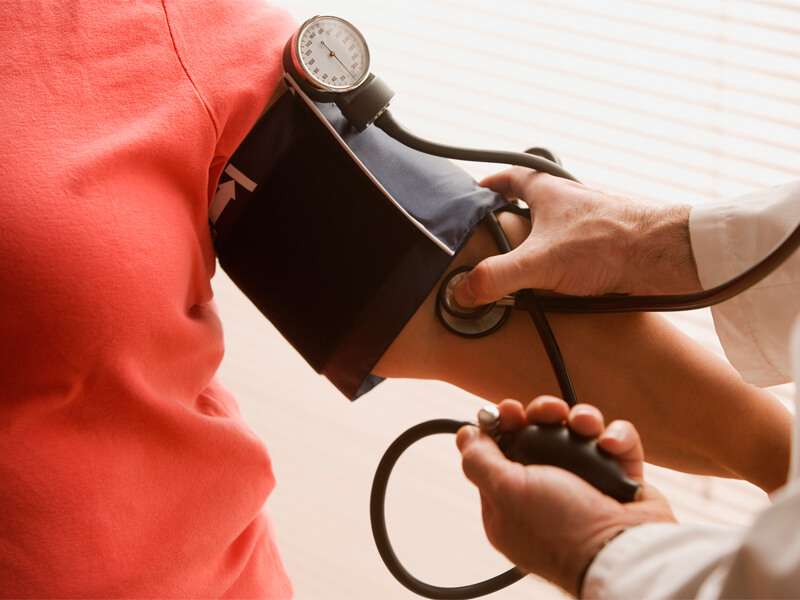
Mange your cholesterol effectively to reduce the risk of cardiovascular diseases. High cholesterol levels can lead to plaque buildup in arteries, hindering proper blood flow and increasing the chance of heart-related issues.
- The major causes of elevated cholesterol often include poor diet high in saturated fats and lack of physical activity.
- This condition is diagnosed via a lipid panel blood test that measures various types of cholesterol in your body.
- Treatment options typically include lifestyle modifications such as improved nutrition choices along with exercise; medications like statins may also be prescribed when necessary.
- Persistent monitoring helps ensure cholesterol levels remain within a healthy range over time.
- The effects of managing cholesterol go beyond immediate health improvement—they contribute significantly to overall well-being in the long run.
A collaborative approach with healthcare providers ensures personalized strategies for effective cholesterol management.
DIABETES SCREENING

Diabetes screening is an essential process for detecting diabetes early, allowing for timely intervention. This metabolic disorder affects how your body uses glucose, leading to potential health complications if not managed effectively.
- The key symptoms of diabetes may include increased thirst, frequent urination, extreme fatigue, and blurred vision.
- Diagnosis is commonly performed through blood tests that measure glucose levels and may involve fasting or random tests depending on circumstances.
- If diagnosed with diabetes, treatment often involves lifestyle adjustments including dietary changes, exercise recommendations, and sometimes medication or insulin therapy.
- Regular follow-up appointments are crucial for monitoring blood sugar levels and adjusting treatment plans accordingly.
- A proactive approach helps minimize the risk of serious complications such as heart disease or neuropathy over time.
Early detection through screening can significantly improve long-term outcomes for those at risk of developing diabetes.
HYPERTENSION MANAGEMENT
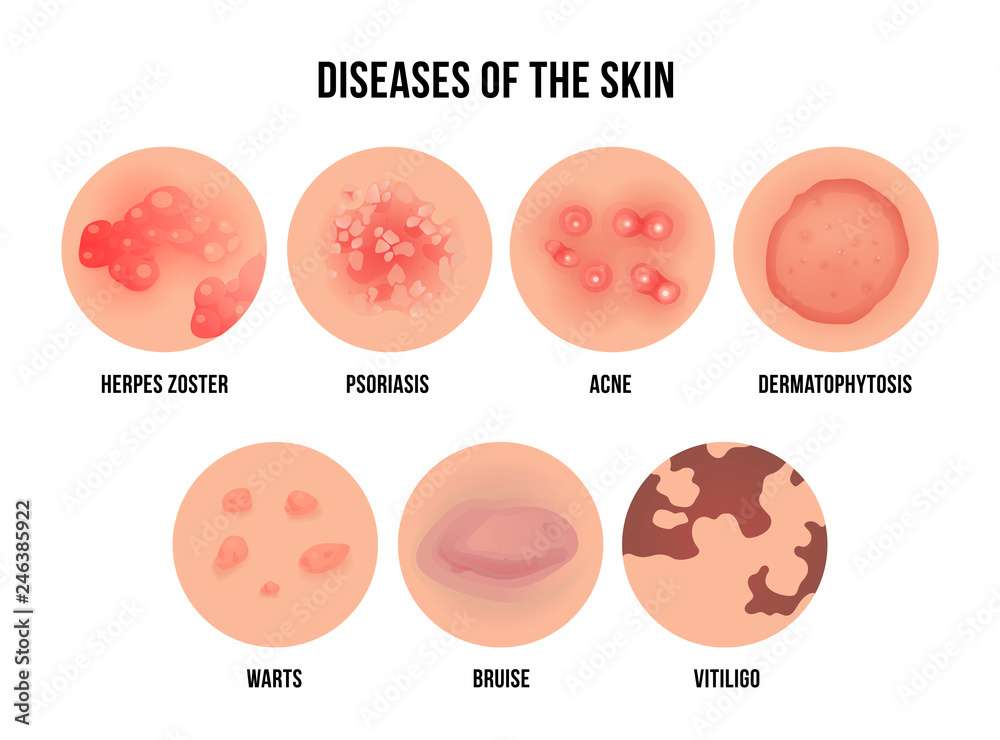
Hypertension, or high blood pressure, is a common condition that can lead to serious health issues if left untreated. It often develops over many years and can go unnoticed until it causes significant complications.
- Symptoms of hypertension may include headaches, shortness of breath, and nosebleeds, but many individuals experience no symptoms at all.
- This condition is typically diagnosed through regular monitoring of blood pressure levels during healthcare visits.
- Management options include lifestyle changes such as adopting a healthier diet, increasing physical activity, and possibly medication to help lower blood pressure.
- Regular check-ups are important to monitor progress and adjust treatment plans as necessary.
- Patients can expect ongoing support and advice on preventing complications related to hypertension.
With proper management strategies in place, individuals can lead healthy lives while keeping their blood pressure under control.