
Dr Vimal Kumar Sh
About Me
Dr Vimal Kumar Sh
MD
Cardiologist
10 Years Experience
Biography
My Clinic
OPD Hours
| Monday | Morning | 10:00 AM | - | 02:00 PM |
| Evening | 06:00 PM | - | 09:00 PM | |
| Tuesday | Morning | 10:00 AM | - | 02:00 PM |
| Evening | 06:00 PM | - | 09:00 PM | |
| Wednesday | Morning | 10:00 AM | - | 02:00 PM |
| Evening | 06:00 PM | - | 09:00 PM | |
| Thursday | Morning | 10:00 AM | - | 02:00 PM |
| Evening | 06:00 PM | - | 09:00 PM | |
| Friday | Morning | 10:00 AM | - | 02:00 PM |
| Evening | 06:00 PM | - | 09:00 PM | |
| Saturday | Morning | 10:00 AM | - | 02:00 PM |
| Evening | 06:00 PM | - | 09:00 PM | |
| Sunday | Morning | 10:00 AM | - | 02:00 PM |
| Evening | 06:00 PM | - | 09:00 PM |
Treatments
Specialised care and treatments offered
BLOOD PRESSURE MONITORING

Blood pressure monitoring tracks your arterial pressure over time either at rest or using ambulatory devices. Maintaining optimal levels reduces risk of stroke, heart failure, and other cardiovascular complications effectively managed by cardiologists.
- Symptoms / causes: High readings may be detected during routine visits , headaches , dizziness , nosebleeds could prompt closer observation .
- Diagnosis: Measurements taken manually in clinic settings supplemented by home readings improve accuracy .
- Treatment / management : Lifestyle changes combined with antihypertensive medications tailored per individual response .
- What to expect: Regular follow-up ensures sustained control reducing long-term health risks ; ambulatory monitors record fluctuations during daily activities .
Using these approaches enables precise hypertension diagnosis guiding effective preventive care crucial for overall cardiovascular wellness.
CORONARY ANGIOGRAPHY
This diagnostic procedure visualizes the coronary arteries using contrast dye injected through a catheter inserted into blood vessels. It identifies blockages causing angina or heart attacks requiring urgent treatment.
- Symptoms/causes: Indicated for confirmed or suspected coronary artery disease presenting with chest pain or abnormal stress test findings.
- Diagnosis: Performed under local anesthesia in specialized labs; X-ray images reveal narrowing or obstruction within arteries supplying the heart muscle.
- Treatment/management: Allows planning of interventions like stenting or bypass surgery based on severity and extent of blockage detected.
- What to expect: Brief hospital stay required; risks exist but are minimized with expert care; recovery typically rapid after procedure completion.
This gold-standard investigation provides definitive information crucial for life-saving therapies aimed at restoring adequate blood flow.
HOLTER MONITORING
A Holter monitor is a portable device worn typically for 24-48 hours that continuously records your heart's electrical activity. This allows detection of irregularities that may not appear during a brief office ECG.
- Symptoms/causes: Useful when patients experience sporadic palpitations, fainting episodes, or unexplained dizziness.
- Diagnosis: Electrodes attached to your chest connect to a small recorder worn at your waist throughout normal daily activities.
- Treatment/management: Provides detailed insight into arrhythmias informing appropriate treatment like medication adjustments or pacemaker evaluation.
- What to expect: You can carry out routine tasks but must avoid water contact; after removal, data is analyzed thoroughly by specialists.
This continuous monitoring method uncovers hidden cardiac rhythm disturbances vital for comprehensive management plans.
EXERCISE STRESS TEST
The Exercise Stress Test evaluates how your heart performs under physical exertion. It helps identify coronary artery disease by monitoring changes in heart rate, rhythm, and blood pressure during controlled exercise.
- Symptoms/causes: Used when patients report chest pain during activity or unexplained shortness of breath.
- Diagnosis: Involves walking on a treadmill or cycling while being continuously monitored via ECG and blood pressure cuffs.
- Treatment/management: Detects ischemia prompting lifestyle advice, medications, or interventions such as angioplasty if needed.
- What to expect: The test is supervised closely by medical staff with gradual increase in exercise intensity until target levels are reached or symptoms occur.
This diagnostic approach provides critical information about cardiovascular fitness and potential blockages limiting blood flow to the heart muscle.
ECHOCARDIOGRAPHY
Echocardiography uses ultrasound waves to create moving images of the heart's structure and function. This non-invasive test offers detailed insights into how well your heart pumps and valves operate.
- Symptoms/causes: Recommended for patients with suspected valve disease, heart failure symptoms, or abnormal ECG findings.
- Diagnosis: A transducer placed on the chest emits sound waves that bounce off the heart tissues to generate real-time images.
- Treatment/management: Helps determine the severity of cardiac conditions and guides decisions regarding medications or surgery.
- What to expect: The test typically lasts 30-60 minutes without any discomfort; it is safe with no radiation exposure.
This imaging tool is essential for diagnosing structural abnormalities and monitoring response to therapy over time.
ELECTROCARDIOGRAM (ECG)
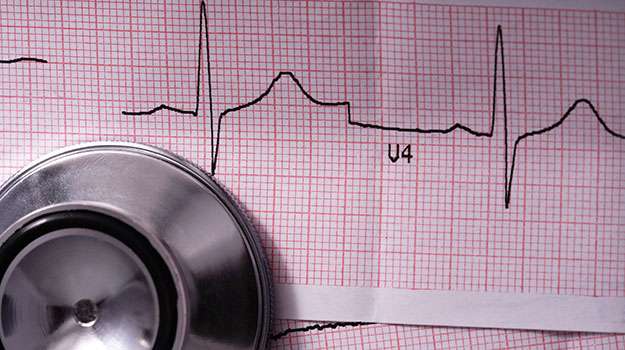
An Electrocardiogram, commonly known as ECG, is a simple and painless test that records the electrical activity of your heart. It helps detect irregular heart rhythms and other cardiac conditions.
- Symptoms/causes: Often recommended if you experience chest pain, palpitations, dizziness, or unexplained fatigue.
- Diagnosis: Electrodes are placed on the skin to monitor heartbeats and produce a graph of electrical impulses.
- Treatment/management: Results guide further evaluation or treatment such as medication adjustment or additional testing.
- What to expect: The procedure takes about 5-10 minutes with no discomfort and provides immediate results for assessment.
This examination acts as a valuable first step in evaluating heart health and guiding appropriate management strategies for various cardiac concerns.