
Dr. Vimi Varghese
About Me
Dr. Vimi Varghese
MBBS,MD,Fellowship in Lung transplant
Consultant Transplant Pulmonologist
7 Years Experience
Biography
Dr. Vimi Varghese – Expert Lung Transplant Pulmonologist in Hyderabad
Dr. Vimi Varghese, MBBS, MD (Pulmonary Medicine), Fellowship in Lung Transplant, is a highly skilled and compassionate lung transplant specialist in Hyderabad, currently practicing as a Consultant Transplant Pulmonologist at Yashoda Hospitals, Secunderabad. With extensive training in India and abroad, Dr. Varghese has established himself as a trusted name in lung transplantation, interventional pulmonology, and advanced respiratory care.
He completed his MBBS at Amala Institute of Medical Sciences, Thrissur, followed by an MD in Pulmonary Medicine from Mahatma Gandhi Medical College and Research Institute, Puducherry. Further, he pursued a Post-Doctoral Fellowship in Pulmonology at the prestigious Christian Medical College, Vellore, and specialized with a Fellowship in Lung Transplant at University Hospital, Belgium. His qualifications are further strengthened by the European Diploma in Adult Respiratory Medicine (EDARM) and Fellowship of Asia Pacific Society of Respirology (FAPSR).
Dr. Vimi Varghese brings expertise in double lung transplant, combined heart–lung transplant, chronic lung allograft dysfunction, primary graft dysfunction, and management of acute and chronic rejection. He also treats advanced respiratory conditions including COPD, interstitial lung disease, pulmonary fibrosis, and post-stem cell transplant complications.
As a dedicated pulmonologist in Hyderabad, Dr. Varghese combines medical excellence with a patient-first approach. His ability to communicate in English, Hindi, Tamil, Malayalam, and Bengali allows him to connect with diverse patient groups, ensuring personalized care and comfort throughout the treatment journey.
Patients trust him for his advanced skills, evidence-based practice, and compassionate care, making him one of the leading names in lung transplantation and respiratory medicine in India.
For those seeking the best in lung transplant care in Hyderabad, Dr. Vimi Varghese at Yashoda Hospitals offers world-class treatment with expertise, empathy, and dedication.
My Clinic
OPD Hours
| Monday | Morning | 10:00 AM | - | 02:00 PM |
| Evening | 06:00 PM | - | 09:00 PM | |
| Tuesday | Morning | 10:00 AM | - | 02:00 PM |
| Evening | 06:00 PM | - | 09:00 PM | |
| Wednesday | Morning | 10:00 AM | - | 02:00 PM |
| Evening | 06:00 PM | - | 09:00 PM | |
| Thursday | Morning | 10:00 AM | - | 02:00 PM |
| Evening | 06:00 PM | - | 09:00 PM | |
| Friday | Morning | 10:00 AM | - | 02:00 PM |
| Evening | 06:00 PM | - | 09:00 PM | |
| Saturday | Morning | 10:00 AM | - | 02:00 PM |
| Evening | 06:00 PM | - | 09:00 PM | |
| Sunday | Morning | 10:00 AM | - | 02:00 PM |
| Evening | 06:00 PM | - | 09:00 PM |
Treatments
Specialised care and treatments offered
TUBERCULOSIS SCREENING
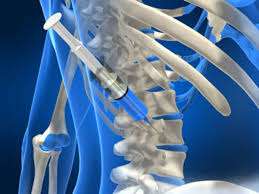
Tuberculosis (TB) screening is essential to detect active TB infection early on. TB primarily affects the lungs but can impact any part of the body; hence timely identification is critical for successful treatment outcomes..
- Symptoms: Common signs include a persistent cough lasting more than three weeks , fever , night sweats , fatigue , weight loss ,and chest pain .
- Testing Methods: Screening typically involves either a skin test known as the Mantoux test - where induration indicates possible exposure - or blood tests that measure immune response against TB bacteria .
- Treatment Options: If diagnosed with active TB antibiotics must be taken regularly over several months whereas latent TB infection may require preventive therapy .
An accurate screening process ensures individuals at risk receive appropriate care swiftly thus preventing further transmission within communities .
BRONCHOSCOPY
A bronchoscopy is a procedure that allows doctors to examine the airways using a thin tube with a camera called a bronchoscope. This technique is essential for diagnosing various pulmonary conditions accurately.
- Indications: Indications for bronchoscopy include unexplained coughs, persistent pneumonia or infections that require further investigation .
- Procedure: The procedure involves inserting the bronchoscope through the nose or mouth into the lungs while sedation may be given to ensure comfort .
- Biopsy: During bronchoscopy , tissue samples can be taken for laboratory analysis which aids in diagnosing infections , tumors or chronic inflammatory diseases .
- Recovery: Post-procedure , patients might experience mild soreness but typically recover quickly with monitoring done afterwards .
Your doctor will guide you through what to expect before , during , and after this important diagnostic tool is used .
PULMONARY FUNCTION TESTING

Pulmonary function tests (PFTs) are vital diagnostic tools used to assess how well your lungs work. They help determine lung capacity and identify any obstructive or restrictive lung diseases.
- Purpose: These tests are crucial for diagnosing conditions like asthma or COPD by measuring airflow rate during inhalation and exhalation.
- The Procedure: Patients typically breathe into a device called a spirometer which records how much air you inhale/exhale over time.
- Differential Diagnosis: PFTs help distinguish between different types of respiratory conditions based on test results indicating obstruction versus restriction patterns in lung function.
This testing provides invaluable data that aids healthcare professionals in developing personalized treatment plans for effective management of respiratory diseases.
SLEEP APNEA EVALUATION

Sleep apnea is a serious sleep disorder characterized by repeated interruptions in breathing during sleep. Recognizing this condition leads to better treatment outcomes and improvements in overall health.
- Symptoms: Key symptoms include loud snoring, excessive daytime sleepiness, difficulty concentrating, and frequent awakenings at night.
- Causative Factors: Risk factors may include obesity, advanced age, family history of sleep apnea, or anatomical differences in the airway structure.
- Diagnosis: A diagnosis often requires polysomnography (sleep study) to monitor your sleep patterns while assessing airflow and oxygen levels.
- Treatment Options: Treatment may involve lifestyle changes like weight loss or CPAP therapy to keep the airway open during sleep. Surgery might be an option for severe cases.
A timely evaluation and proper management significantly enhance sleep quality and overall health outcomes for those affected by sleep apnea.
ASTHMA MANAGEMENT

Asthma is a chronic disease affecting the airways in the lungs. It causes episodes of wheezing, breathlessness, chest tightness, and coughing. Understanding asthma is vital for effective control and prevention of attacks.
- Symptoms: Patients may experience recurrent coughing at night or early in the morning, difficulty breathing during physical activities, and increased mucus production.
- Triggers: Common triggers include allergens (like pollen), exercise, cold air, smoke, and respiratory infections.
- Diagnosis: Evaluation typically includes a detailed medical history review followed by lung function tests such as spirometry.
- Treatment: Inhalers containing bronchodilators or anti-inflammatory medications are common treatments alongside avoiding known triggers.
A comprehensive asthma action plan helps manage symptoms effectively and minimizes flare-ups.
CHRONIC OBSTRUCTIVE PULMONARY DISEASE (COPD)

Chronic Obstructive Pulmonary Disease (COPD) is a progressive lung condition that makes breathing difficult. It is primarily caused by long-term exposure to irritating gases or particulate matter, most often from cigarette smoke. Understanding this disease is crucial for effective management and improved quality of life.
- Symptoms: Common indicators include persistent cough, excessive mucus production, shortness of breath during physical activities, and wheezing.
- Causes: The leading cause is smoking, but air pollution, chemical exposure, and genetic factors can also contribute.
- Diagnosis: Diagnosis usually involves pulmonary function tests (PFTs), chest X-rays, and CT scans to assess lung damage.
- Treatment: Management often includes bronchodilators, corticosteroids, pulmonary rehabilitation, and lifestyle changes like quitting smoking.
- Prognosis: With early detection and proper management, symptoms can be alleviated and progression slowed.
A proactive approach in managing COPD can significantly enhance the quality of life for patients.