
Dr Vina Shah
About Me
Dr Vina Shah
Cardiologist
Biography
My Clinic
OPD Hours
| Tuesday | Morning | 10:00 AM | - | 02:00 PM |
| Evening | 06:00 PM | - | 09:00 PM | |
| Wednesday | Morning | 10:00 AM | - | 02:00 PM |
| Evening | 06:00 PM | - | 09:00 PM | |
| Thursday | Morning | 10:00 AM | - | 02:00 PM |
| Evening | 06:00 PM | - | 09:00 PM | |
| Friday | Morning | 10:00 AM | - | 02:00 PM |
| Evening | 06:00 PM | - | 09:00 PM | |
| Saturday | Morning | 10:00 AM | - | 02:00 PM |
| Evening | 06:00 PM | - | 09:00 PM | |
| Sunday | Morning | 10:00 AM | - | 02:00 PM |
| Evening | 06:00 PM | - | 09:00 PM | |
| Thursday | Morning | 10:00 AM | - | 02:00 PM |
| Evening | 06:00 PM | - | 09:00 PM |
Treatments
Specialised care and treatments offered
HYPERTENSION EMERGENCY

A Hypertension Emergency occurs when extremely high blood pressure results in acute target organ damage. Recognizing this condition is vital since it requires immediate medical attention for effective management and avoidance of serious complications.
- You may notice symptoms such as headaches, confusion, visual disturbances along with potentially elevated readings over 180/120 mmHg on the sphygmomanometer scale indicating dangerous levels present within arteries!
Proactive measures allow individuals suffering from this concern greater resilience towards Hypertension emergencies affecting well-being altogether!
HEART VALVE DISEASE
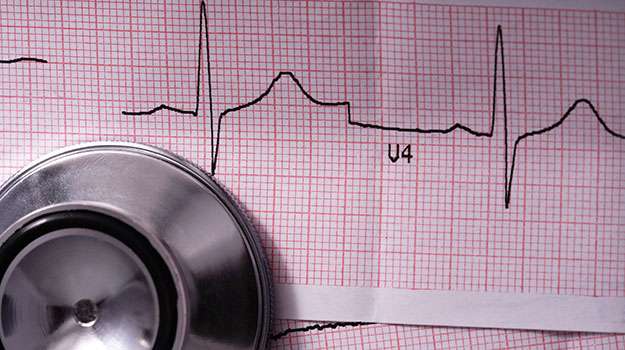
This type of disease affects one or more of the four valves within your heart that regulate blood flow. Recognizing Heart Valve Disease early leads to better outcomes through timely intervention.
- Sufferers may experience symptoms such as shortness of breath, fatigue during exertion, or arrhythmias resulting from valve dysfunctions.
- The diagnosis process includes echocardiograms which provide detailed images of valve structure and function alongside physical examinations by healthcare professionals.
- Treatment varies from medical management with diuretics to surgical interventions like valve repair or replacement depending on severity).
- Lifestyle adjustments are also essential; ongoing monitoring will contribute positively towards patient health following any procedure performed on their valves.
Understanding this condition aids in making informed choices about treatment plans tailored uniquely for individual needs regarding Heart Valve Disease management?
CORONARY ARTERY DISEASE
This disease occurs when plaque builds up in the coronary arteries, restricting blood flow to the heart. Understanding Coronary Artery Disease is essential for prevention and treatment strategies.
- The primary symptom can be angina (chest pain), but some people may also experience breathlessness or fatigue during physical activity.
- Disease diagnosis often includes stress tests, angiograms, and cholesterol level assessments.
- Treatment generally focuses on lifestyle changes alongside medications such as statins; severe cases might require procedures including angioplasty or bypass surgery.
- A proactive approach with regular medical evaluations can help manage this condition effectively over time.
With appropriate care strategies, many individuals can maintain a good quality of life despite having Coronary Artery Disease.
ATRIAL FIBRILLATION
Atrial Fibrillation (AFib) is a common type of irregular heartbeat that can lead to complications like stroke if left untreated. It's crucial for patients to understand AFib and its implications on health.
- The key symptoms include palpitations, dizziness, fatigue, and chest discomfort.
- This condition is usually diagnosed through an Echocardiogram, ECG monitoring, or Holter monitors to assess heart rhythm over time.
- Treatment options often incorporate medications to control heart rate and rhythm along with potential procedures like electrical cardioversion.
- Lifestyle modifications play a significant role in managing AFib effectively; regular check-ups allow for timely adjustments in treatment plans.
An informed patient is essential for effective management of Atrial Fibrillation.
CONGESTIVE HEART FAILURE
This condition arises when the heart cannot pump effectively, leading to fluid buildup in the lungs and other body parts. Understanding Congestive Heart Failure is vital for managing symptoms and improving quality of life.
- Main symptoms include fatigue, swelling in legs or abdomen, and shortness of breath.
- The diagnosis often involves physical exams, echocardiograms, and blood tests.
- Treatment might include lifestyle changes, medication, and in severe cases, surgical options like implanting devices to assist heart function.
- Regular follow-ups are essential to monitor progression and adapt management strategies.
A comprehensive approach helps patients live better with Congestive Heart Failure.
ACUTE MYOCARDIAL INFARCTION
Acute Myocardial Infarction, commonly known as a heart attack, occurs when blood flow to the heart muscle is significantly reduced or blocked. This interruption can lead to damage or death of the heart tissue if not addressed promptly.
- Symptoms may include severe chest pain, shortness of breath, nausea, and sweating.
- Diagnosis typically involves an electrocardiogram (ECG), blood tests for cardiac enzymes, and imaging studies.
- Treatment options range from medications such as antiplatelet agents to invasive procedures like angioplasty.
- Patients should expect close monitoring and potential rehabilitation post-treatment.
Early intervention is critical for improving outcomes in cases of Acute Myocardial Infarction.