
Dr Vinay D Jha
About Me
Dr Vinay D Jha
Internal Medicine
Biography
My Clinic
OPD Hours
| Tuesday | Morning | 10:00 AM | - | 02:00 PM |
| Evening | 06:00 PM | - | 09:00 PM | |
| Wednesday | Morning | 10:00 AM | - | 02:00 PM |
| Evening | 06:00 PM | - | 09:00 PM | |
| Thursday | Morning | 10:00 AM | - | 02:00 PM |
| Evening | 06:00 PM | - | 09:00 PM | |
| Friday | Morning | 10:00 AM | - | 02:00 PM |
| Evening | 06:00 PM | - | 09:00 PM | |
| Saturday | Morning | 10:00 AM | - | 02:00 PM |
| Evening | 06:00 PM | - | 09:00 PM | |
| Sunday | Morning | 10:00 AM | - | 02:00 PM |
| Evening | 06:00 PM | - | 09:00 PM | |
| Thursday | Morning | 10:00 AM | - | 02:00 PM |
| Evening | 06:00 PM | - | 09:00 PM |
Treatments
Specialised care and treatments offered
ALLERGY TESTING & MANAGEMENT
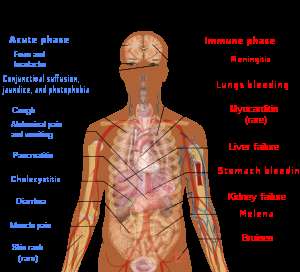
(Allergies) represent hypersensitivity reactions eliciting discomfort through varied exposure stimuli commonly evident in daily routines impacting quality life adversely necessitating active interventions deployed systematically!
- Understanding allergy triggers: Allergens – pollen dust mites pet dander foods insect bites chemicals etc., induce unwelcome responses manifesting behaviors prompting evaluations highlighting critical aspects demanded rise awareness among communities educate neighbors friends encouraging preventative dialogues making informed choices collectively safeguard environments synchronize efforts increase safety targets surrounding spaces foster inclusive friendly atmospheres prevailing peacefully!
- Diagnostic processes elucidated clearly enabling physician progress begin journey clinical success relying upon thorough examinations skin prick tests conduct ensuring specificity accuracy delineates pathways navigating concerns mapping educational structures curating resources broadcast efficient strategies promote proactive stances endorse personalized advice elevate standards amplifying thriving experiences elevating potential realizations bolster relationships positively nurture connections steadfastly upholding community responsibility advance collaboratively jointly flourish harmoniously altogether boost consciousness sustainably contributing shared legacies embraced wholeheartedly continuing moving forward steadily! }{{, }
DIABETES MANAGEMENT
The management of diabetes involves careful regulation of blood sugar levels through lifestyle adjustments and medication when necessary. This chronic condition affects how your body uses glucose—a crucial energy source for bodily functions!
- Symptoms presented: Increased thirst & urination alongside fatigue & blurred vision signal underlying issues necessitating attention promptly addressing concerns raised urgently intervening posthaste exploring potentials within overall treatments administering self-monitoring techniques aiding glycemic control broadly practice daily aiding effectiveness immensely !
- Risk factors exacerbating severity crisis: Family history coupled alongside obesity prevalent unhealthy habits propagate unsustainable pathways requiring intervention swiftly seeking support networks forming resilience bolstering patients’ approaches horned focused practicalities optimistically pursuits maintaining discipline proves invaluable fostering well-being holistically nurturing endeavors enhance experiences!
- Assessment avenue: Frequent assessments evaluate HbA1c levels identifying individual targets transforming strategies implement distinct protocols specified following personalized regimens ensuring adaptability under varied life circumstances adapting successfully yields desirable treatment routes navigate complexities confronting realities emphasizing vigilance endeavor comprehensively reassuring resultant rewards brought forth affirmatively promising futures unfolding boldly!
MANAGEMENT OF LIPID DISORDERS
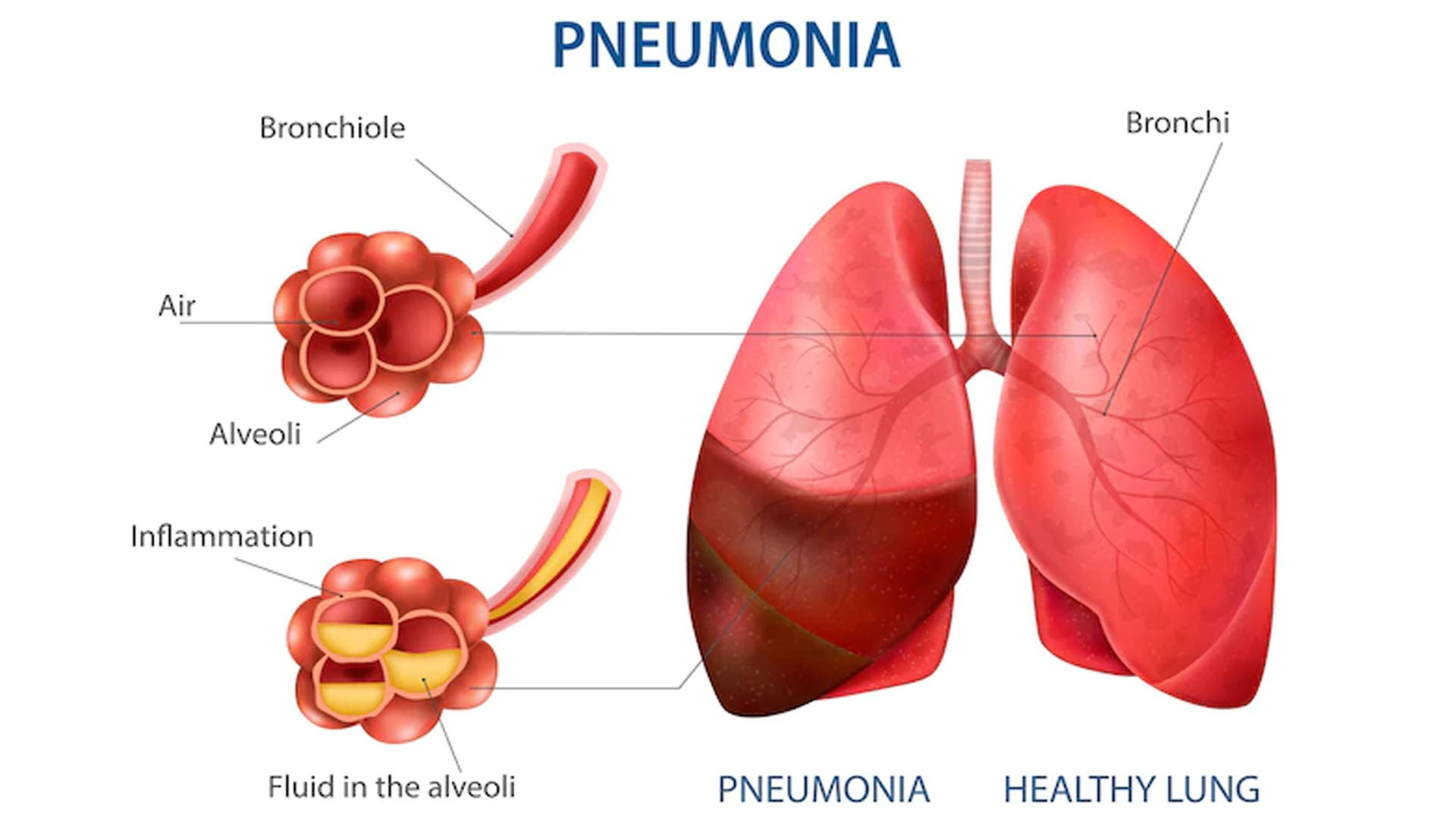
Lipid disorders refer to abnormal levels of lipids—fats—in the blood. Managing these disorders is crucial because they contribute significantly to cardiovascular conditions if left unchecked.
- Main indicators: High levels of LDL (bad cholesterol) or low levels of HDL (good cholesterol) indicate lipid disorders that need attention.
- Causative factors: Factors include poor diet high in saturated fats and sugars along with sedentary lifestyles contributing to this condition.
- Diagnosis: Blood tests measuring lipid panels establish lipid levels accurately confirming any disorders potentially present.
- Treatment patterns: Management involves lifestyle changes complemented by medications such as statins aimed at improving cholesterol ratios effectively.
- Ongoing assessment: Regular follow-up visits are necessary to monitor progress toward achieving healthy lipid levels over time.
Through consistent adherence programs tailored towards individuals' needs better outcomes related high-risk correlations arise with cardiovascular events less frequently encountered slowly improving general wellness positively impact lives enduringly sustainable manner consistently achieved together
PREVENTIVE HEALTH SCREENINGS
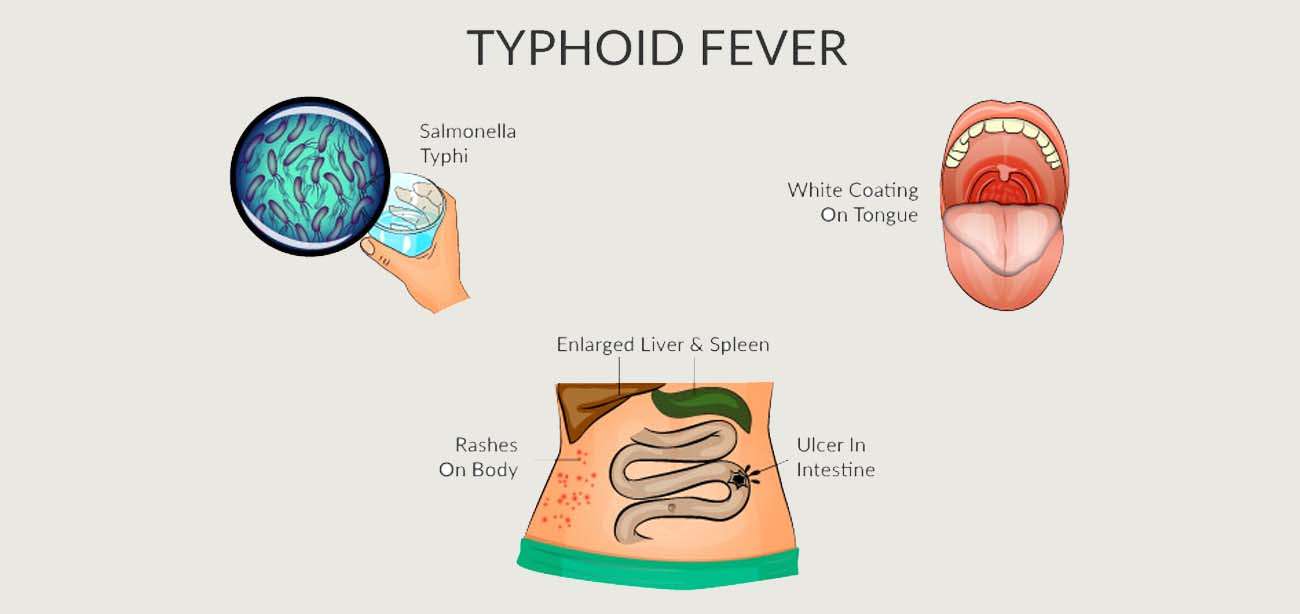
The goal of preventive health screenings is to detect potential health issues before they become significant problems. These screenings are essential for maintaining overall health and preventing future complications.
- Purpose: Early detection through screenings can significantly reduce the risk of serious illnesses such as cancer or heart disease.
- Candidates: Criteria typically include age, family history, and lifestyle factors that increase certain risks.
- Screens included: Common screenings involve blood tests, cholesterol checks, mammograms for women, and colonoscopies based on recommendations.
- Treatment after screening: If abnormalities are found, further testing or interventions may be required based on specific findings.
CHRONIC DISEASE MANAGEMENT
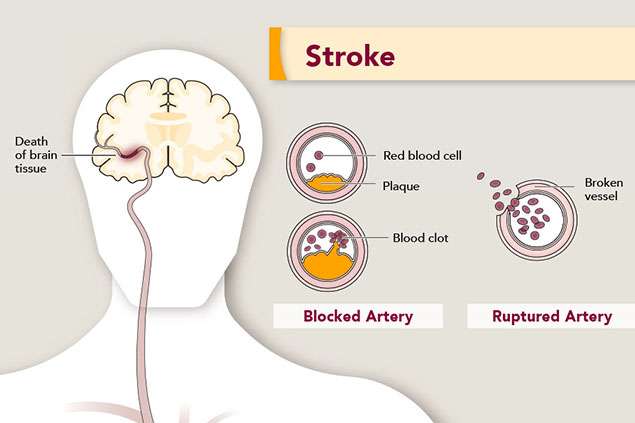
Chronic diseases encompass a wide range of long-term health conditions such as diabetes, heart disease, and arthritis. Managing these diseases effectively requires a multifaceted approach tailored to individual patient needs.
- Symptoms: Symptoms can vary greatly depending on the specific disease but may include fatigue, pain, or frequent hospital visits.
- Causes: Causes can include genetic predisposition, lifestyle factors, and environmental influences.
- Diagnosis: Comprehensive assessments including medical history reviews and lab tests help confirm diagnosis.
- Treatment strategies: A combination of medication management, dietary changes, and exercise programs are often employed for effective management.
- The role of monitoring: Regular follow-up appointments and testing are vital to adjust treatment plans as needed.
An individualized care plan is crucial for successfully managing chronic diseases over time.
HYPERTENSION MANAGEMENT
Hypertension, commonly known as high blood pressure, is a serious health condition that can lead to significant complications if not managed effectively. This condition occurs when the force of the blood against your artery walls is too high, often without noticeable symptoms.
- Symptoms: Many individuals may not experience clear symptoms, but some might encounter headaches or shortness of breath.
- Causes: Factors such as obesity, lack of physical activity, poor diet, and genetics can contribute to the development of hypertension.
- Diagnosis: Blood pressure is measured using a sphygmomanometer during regular check-ups; multiple readings might be necessary for an accurate diagnosis.
- Treatment options: Lifestyle changes like improved diet and increased exercise are crucial. Medications may also be prescribed to help lower blood pressure.
- What to expect: Regular monitoring and follow-ups are essential to manage this chronic condition effectively.
A proactive approach is key in controlling hypertension and preventing serious cardiovascular issues down the line.