
Dr Vinay Soni
About Me
Dr Vinay Soni
MBBS
General Physician
10 Years Experience
Biography
My Clinic
OPD Hours
| Monday | Morning | 10:00 AM | - | 02:00 PM |
| Evening | 06:00 PM | - | 09:00 PM | |
| Tuesday | Morning | 10:00 AM | - | 02:00 PM |
| Evening | 06:00 PM | - | 09:00 PM | |
| Wednesday | Morning | 10:00 AM | - | 02:00 PM |
| Evening | 06:00 PM | - | 09:00 PM | |
| Thursday | Morning | 10:00 AM | - | 02:00 PM |
| Evening | 06:00 PM | - | 09:00 PM | |
| Friday | Morning | 10:00 AM | - | 02:00 PM |
| Evening | 06:00 PM | - | 09:00 PM | |
| Saturday | Morning | 10:00 AM | - | 02:00 PM |
| Evening | 06:00 PM | - | 09:00 PM | |
| Sunday | Morning | 10:00 AM | - | 02:00 PM |
| Evening | 06:00 PM | - | 09:00 PM |
Treatments
Specialised care and treatments offered
IRON DEFICIENCY ANEMIA MANAGEMENT
This anemia type arises when iron stores are insufficient affecting hemoglobin synthesis necessary for oxygen transport. Early detection enables effective restoration improving overall wellness and reducing fatigue symptoms considerably.
- The most frequent manifestations include pale skin complexion alongside weakness, dizziness upon standing up quickly, headaches frequently observed by patients suffering anemia caused by iron deficiency;
- Diagnostic methods entail complete blood counts revealing low hemoglobin/hematocrit coupled with serum ferritin measurements indicating depleted iron reserves;
- Therapeutic approaches involve oral iron supplementation adjusting dosage based on tolerance; dietary advice includes consuming iron-rich foods such as red meats fingertip spinach beans enhancing absorption;
- Monitoring response through periodic lab evaluation ensures adequate replenishment while ruling out ongoing bleeding sources whenever necessary;
Correction usually takes months but leads to remarkable improvement in energy levels contributing positively towards everyday functions impaired by this nutritional deficit condition .
ACUTE APPENDICITIS DIAGNOSIS & TREATMENT

An acute inflammation of the appendix commonly requires quick medical attention to avoid rupture. Recognizing typical signs ensures timely surgical intervention leading to recovery without complications.
- Spectrum of symptoms: Sudden abdominal pain shifting to lower right quadrant, nausea or vomiting, fever alongside tenderness on palpation during examination.
- Differential diagnosis tools: Blood tests showing raised white cell counts; ultrasound or CT scans assist in confirming appendicitis presence accurately.
- Treatment plan: Surgical removal (appendectomy) remains the standard treatment; antibiotics may be used preoperatively or in selected mild cases conservatively managed under supervision.
GASTROESOPHAGEAL REFLUX DISEASE (GERD) TREATMENT

This condition involves the backflow of stomach acid into the esophagus causing irritation. Proper treatment mitigates discomfort and prevents esophageal damage over time.
- Main symptoms: Heartburn sensation after meals, acid regurgitation, chest discomfort which may worsen when lying down or bending over.
- Diagnostic approach: Based on clinical history; endoscopy or pH monitoring may be used for confirmation if symptoms persist despite treatment.
- Therapeutic measures: Lifestyle changes like weight loss; medications including antacids, H2 blockers, proton pump inhibitors reduce acid secretion effectively.
- Surgical options: In refractory cases, procedures like Nissen fundoplication can reinforce the lower esophageal sphincter functionally preventing reflux episodes.
A combination of medical therapy along with lifestyle adjustments generally controls GERD symptoms well to enhance patient comfort and prevent complications such as esophagitis or Barrett's esophagus.
CHRONIC OBSTRUCTIVE PULMONARY DISEASE (COPD) MANAGEMENT
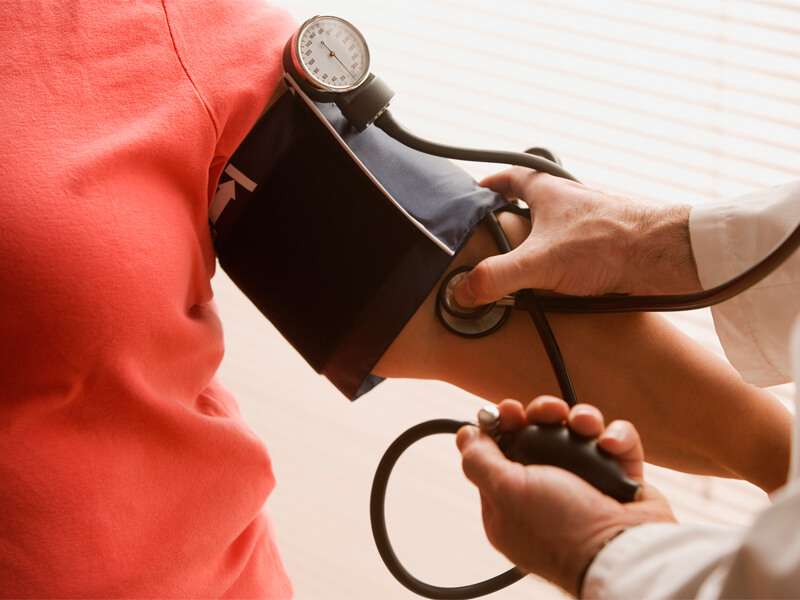
COPD is a progressive lung disease that obstructs airflow leading to breathing difficulties. Early diagnosis and ongoing treatment can slow progression and improve respiratory function.
- Signs & symptoms: Persistent cough with sputum production, shortness of breath especially on exertion, wheezing, and recurrent respiratory infections.
- Diagnosis: Pulmonary function tests like spirometry confirm airflow limitation; imaging studies help assess lung damage.
- Treatment options: Bronchodilators, inhaled corticosteroids, pulmonary rehabilitation, oxygen therapy in advanced cases.
- Lifestyle impact: Smoking cessation is crucial; vaccinations for influenza and pneumonia help prevent exacerbations.
Diligent management including medication use and avoiding risk factors significantly enhances daily breathing capacity and reduces hospitalizations in COPD patients.
TYPE 2 DIABETES MELLITUS CARE

Type 2 diabetes is a chronic metabolic disorder characterized by elevated blood sugar due to insulin resistance. Managing it effectively prevents serious health issues like heart disease and neuropathy.
- Common symptoms: Increased thirst, frequent urination, fatigue, slow wound healing, and blurred vision.
- Diagnostic methods: Fasting plasma glucose test, HbA1c levels above 6.5%, and oral glucose tolerance tests confirm diagnosis.
- Treatment strategies: Lifestyle modifications including diet and exercise combined with oral hypoglycemic agents or insulin therapy as needed.
- Monitoring: Regular blood sugar tracking and periodic screening for complications such as retinopathy and nephropathy are essential parts of care.
An integrated approach involving medication adherence and lifestyle changes improves quality of life and reduces diabetes-related risks significantly.
HYPERTENSIVE CRISIS MANAGEMENT

A hypertensive crisis is a severe increase in blood pressure that can lead to stroke or organ damage if untreated. Immediate recognition and management are critical to prevent complications.
- Symptoms and causes: Sudden, very high blood pressure often accompanied by severe headache, chest pain, shortness of breath, or neurological deficits.
- Diagnosis: Blood pressure measurement above 180/120 mmHg with assessment for signs of target organ damage through physical exam and laboratory tests.
- Treatment options: Urgent administration of intravenous or oral antihypertensive medications to gradually reduce blood pressure under close monitoring.
- Management: Hospitalization may be required for continuous observation and evaluation of underlying causes like kidney disease or medication noncompliance.
Prompt intervention in hypertensive crises helps avert life-threatening complications and preserves organ function through careful blood pressure control.