
Dr Vinit Samdani
About Me
Dr Vinit Samdani
Pediatrician
Biography
My Clinic
OPD Hours
| Tuesday | Morning | 10:00 AM | - | 02:00 PM |
| Evening | 06:00 PM | - | 09:00 PM | |
| Wednesday | Morning | 10:00 AM | - | 02:00 PM |
| Evening | 06:00 PM | - | 09:00 PM | |
| Thursday | Morning | 10:00 AM | - | 02:00 PM |
| Evening | 06:00 PM | - | 09:00 PM | |
| Friday | Morning | 10:00 AM | - | 02:00 PM |
| Evening | 06:00 PM | - | 09:00 PM | |
| Saturday | Morning | 10:00 AM | - | 02:00 PM |
| Evening | 06:00 PM | - | 09:00 PM | |
| Sunday | Morning | 10:00 AM | - | 02:00 PM |
| Evening | 06:00 PM | - | 09:00 PM | |
| Thursday | Morning | 10:00 AM | - | 02:00 PM |
| Evening | 06:00 PM | - | 09:00 PM |
Treatments
Specialised care and treatments offered
COMMON COLD IN CHILDREN

The common cold is frequent among kids due to their developing immune systems. It usually resolves within a week but knowing how to alleviate symptoms makes recovery easier.
- Symptoms generally manifest as runny nose , cough , sore throat , fatigue , which may lead parents seeking advice from practitioners.
- Diagnosis remains straightforward based largely upon observed symptoms without requiring invasive testing unlike some other conditions .
- Management highlights resting adequately , staying hydrated along with over-the-counter medications providing symptomatic relief; these approaches help ease discomfort experienced during illness .
- Parents should be mindful of signs indicating complications demanding further medical assessment including persistent high fever .
Ultimately providing appropriate comfort care aids speedy healing allowing little ones return back happily into their routine activities post-cold phase!
ECZEMA CARE

Eczema is a skin condition characterized by inflamed patches that may cause itching and discomfort. Understanding this condition can significantly enhance quality of life for affected children.
- Main symptoms include dry skin patches that can become red or scaly; they often worsen during certain seasons or due to irritants like soaps or detergents.
- A physician will conduct examinations to diagnose eczema based on its appearance alongside patient history regarding flare-ups triggered by environmental factors.
- Treatment options encompass topical ointments to reduce inflammation and moisturizers that maintain skin hydration as proactive strategies against flare-ups;
- Education about identifying triggers plays an equally important part in managing eczema effectively; patients are often advised on appropriate skincare routines.
Continuous monitoring paired with individualized care plans ensures comfort for young patients grappling with eczema.
CHILDHOOD OBESITY PREVENTION

Childhood obesity is a growing concern that requires proactive measures. This condition increases the risk of various health issues later in life if not addressed timely.
- It may result from genetics, poor diet choices, sedentary lifestyle habits, or emotional factors influencing eating behavior.
- A comprehensive evaluation involves tracking growth metrics and discussing family health history to understand risk factors better.
- Treatment focuses on promoting healthy eating, encouraging physical activity, and setting realistic weight loss goals tailored for children.
- The involvement of family plays a critical role in creating lasting changes for healthier lifestyles together while making it enjoyable for kids too!
An integrated approach supports children not just physically but emotionally towards achieving their health objectives sustainably.
ALLERGIES IN CHILDREN
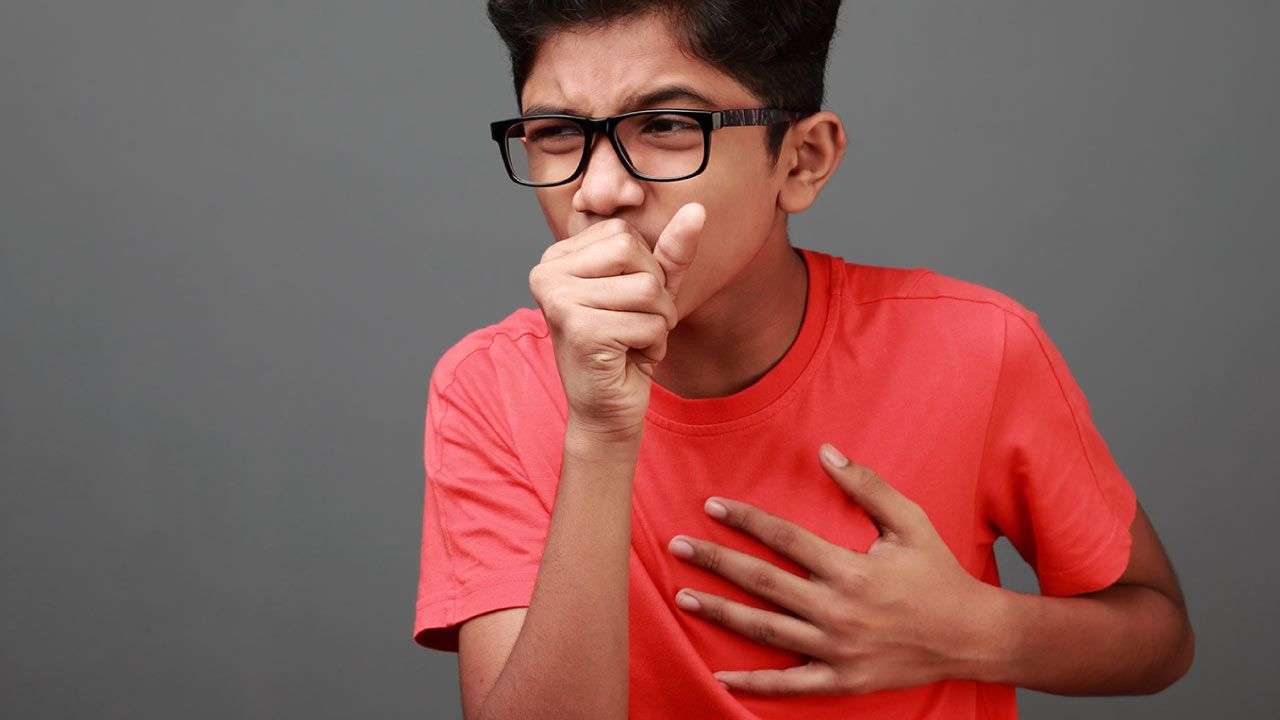
Pediatric allergies can cause significant discomfort but understanding them helps mitigate risks. Allergies occur when the immune system reacts excessively to substances like pollen or food.
- Common allergens may trigger symptoms like sneezing, itching, rashes, or stomach issues depending on the type of allergy.
- A healthcare professional will perform skin tests or blood tests for accurate diagnosis of allergies.
- Treatment includes avoiding known allergens, along with medications like antihistamines for symptom relief.
- An emergency action plan is essential for severe allergic reactions such as anaphylaxis.
By working closely with a pediatrician, families can navigate allergies effectively while ensuring children's health is prioritized during daily activities.
ATTENTION DEFICIT HYPERACTIVITY DISORDER (ADHD)
ADHD is a common behavioral disorder in children affecting attention levels and impulse control. Early identification can significantly improve outcomes.
- Common signs include difficulty focusing, excessive fidgeting, and problems following instructions.
- A comprehensive assessment includes questionnaires and interviews with parents or teachers to gather insights on behavior patterns.
- Treatment often incorporates behavioral therapy, educational support, and sometimes medication to help manage symptoms.
- Parent training programs are also available to support families in handling challenges effectively.
Pediatric management of ADHD aims to cultivate coping strategies that foster better behavior both at home and school.
ASTHMA MANAGEMENT
Managing asthma in children is crucial for ensuring their comfort and well-being. Asthma is a chronic respiratory condition that can affect physical activity and quality of life.
- Symptoms may include wheezing, cough, shortness of breath, and chest tightness.
- Diagnosis typically involves a medical history review, physical examination, and sometimes lung function tests.
- Management options focus on medications, such as inhalers, as well as lifestyle changes like avoiding triggers.
- It’s important to develop an action plan with a healthcare provider to know how to respond during an asthma episode.
- A child with asthma can lead a normal life with proper care and routine check-ups.
Effective asthma management empowers children to engage in activities without fear of an attack.