
Dr Vinita Sharma
About Me
Dr Vinita Sharma
MD
Cardiologist
10 Years Experience
Biography
My Clinic
OPD Hours
| Monday | Morning | 10:00 AM | - | 02:00 PM |
| Evening | 06:00 PM | - | 09:00 PM | |
| Tuesday | Morning | 10:00 AM | - | 02:00 PM |
| Evening | 06:00 PM | - | 09:00 PM | |
| Wednesday | Morning | 10:00 AM | - | 02:00 PM |
| Evening | 06:00 PM | - | 09:00 PM | |
| Thursday | Morning | 10:00 AM | - | 02:00 PM |
| Evening | 06:00 PM | - | 09:00 PM | |
| Friday | Morning | 10:00 AM | - | 02:00 PM |
| Evening | 06:00 PM | - | 09:00 PM | |
| Saturday | Morning | 10:00 AM | - | 02:00 PM |
| Evening | 06:00 PM | - | 09:00 PM | |
| Sunday | Morning | 10:00 AM | - | 02:00 PM |
| Evening | 06:00 PM | - | 09:00 PM |
Treatments
Specialised care and treatments offered
LIFESTYLE MODIFICATION FOR ARRHYTHMIA PREVENTION

Certain arrhythmias arise due to lifestyle triggers affecting the electrical system of the heart. Adopting healthier daily routines can mitigate these disturbances effectively over time.
- Factors Influencing Arrhythmias : Excessive caffeine , alcohol use , stress , inadequate sleep ,and poor nutrition contribute significantly.
- Detection Methods : Holter monitoring records irregular rhythms during normal activities .
- Preventive Measures : Balanced diet enriched with potassium , magnesium ; routine physical activity ; adequate hydration ; mindfulness techniques reduce arrhythmia episodes .
- When Needed Medications : In some cases beta-blockers help control irregular beats after lifestyle adjustments are attempted .
Prioritizing these changes fosters overall cardiovascular stability while reducing dependence on pharmacological interventions .
CORONARY ARTERY DISEASE PREVENTION
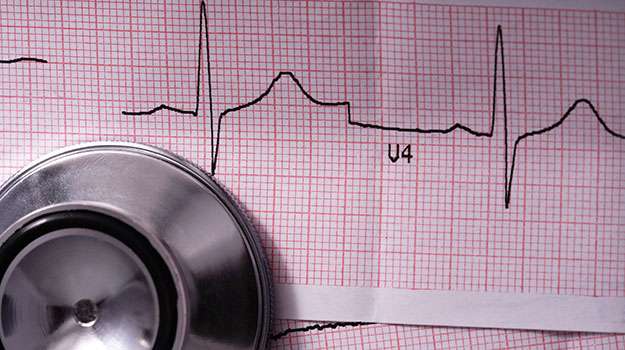
Atherosclerosis leading to narrowing of coronary arteries can cause chest pain or heart attacks. Preventing progression involves targeting modifiable risk factors primarily through lifestyle improvements.
- Risk Contributors: Smoking , diabetes , obesity , high blood pressure ,and sedentary habits increase susceptibility.
- Screening Tools: Stress tests and imaging studies help evaluate artery health.
- Lifestyle Focus: Emphasis on a Mediterranean-style diet rich in omega-3 fatty acids , regular aerobic exercise , weight maintenance ,and smoking cessation plays a pivotal role.
- Medical Support: Statins and antiplatelet agents may be prescribed depending on individual risk assessment.
Proactive engagement in healthy habits is crucial in minimizing future cardiac events linked to coronary artery disease .
HEART FAILURE CARE
The heart’s reduced ability to pump blood efficiently characterizes heart failure. Proper management focuses on alleviating symptoms and improving quality of life through comprehensive strategies.
- Causative Factors & Signs: Conditions such as coronary artery disease or uncontrolled hypertension commonly contribute; patients may present with breathlessness, swelling, or fatigue.
- Echocardiography Role: Imaging evaluates heart function aiding in diagnosis and treatment planning.
- Treatment Modalities: Combination of medications like ACE inhibitors, beta-blockers alongside lifestyle measures including sodium restriction are essential components.
- Lifestyle Considerations: Daily weight monitoring helps detect fluid retention early; smoking cessation is strongly advised.
An individualized plan supported by regular follow-ups optimizes outcomes for those affected by heart failure symptoms.
ATRIAL FIBRILLATION MANAGEMENT
Atrial fibrillation (AFib) is an irregular heartbeat that can increase the chance of stroke and heart-related complications. Managing this condition aims at symptom relief and stroke prevention.
- Symptoms & Causes: Patients may experience palpitations, fatigue or shortness of breath; common causes include hypertension, heart disease, or thyroid disorders.
- Diagnosis: Electrocardiograms (ECG) detect abnormal rhythm patterns reflective of AFib episodes.
- Treatment Strategies: Rate or rhythm control using medications combined with anticoagulation therapy reduces risks associated with AFib.
- Lifestyle Adjustments: Avoiding excess alcohol and caffeine while managing stress helps minimize flare-ups.
The goal is tailored therapy that eases symptoms and lowers chances of stroke for patients living with atrial fibrillation.
CHOLESTEROL CONTROL
Maintaining healthy cholesterol levels is vital to prevent plaque buildup in arteries, which can increase the risk of cardiovascular events. Effective cholesterol management combines lifestyle changes with medical approaches when required.
- Understanding Cholesterol: High levels of LDL ('bad' cholesterol) contribute to blockages while HDL ('good' cholesterol) helps remove it.
- Detection: Blood lipid profiles measure different cholesterol components to assess risk.
- Lifestyle Interventions: Diet rich in fruits, vegetables, whole grains, reduced saturated fats and trans fats intake alongside physical activity supports natural regulation.
- Medications: Statins or other prescribed drugs may be used if lifestyle modifications alone are insufficient for control.
A balanced approach focusing on diet and exercise remains foundational to maintaining optimal cholesterol levels for long-term heart health.
HYPERTENSION MANAGEMENT
High blood pressure, or hypertension, is a common cardiovascular condition that can lead to serious complications if left uncontrolled. Understanding its causes and management is essential for maintaining heart health.
- Causes and Symptoms: Often called a silent killer, hypertension may not show symptoms initially but can result from factors like genetics, poor diet, stress, and sedentary lifestyle.
- Diagnosis: Blood pressure readings taken during clinical visits or via home monitoring devices help determine the presence and severity.
- Treatment Options: Lifestyle changes such as reducing salt intake, regular exercise, weight control, and medication when necessary form the cornerstone of management.
- Monitoring: Frequent blood pressure tracking ensures treatments are effective and adjustments can be made promptly.
With proper care and adherence to treatment plans, individuals with hypertension can significantly reduce their risk of heart disease and stroke.