Dr Vipin Jain- L

Dr Vipin Jain- L

MS
General Surgeons
5 278 ratings

About Me

Dr Vipin Jain- L

MS
General Surgeons

Biography

Dr. Vipin Jain is a highly skilled general surgeon dedicated to providing comprehensive surgical care with a warm and compassionate approach. With extensive training and hands-on experience in various surgical procedures, Dr. Jain is committed to delivering the highest quality treatment tailored to each patient's unique needs. As a general surgeon, Dr. Jain specializes in a wide range of surgical interventions, including but not limited to abdominal surgeries, hernia repairs, appendectomies, gallbladder removals, and management of traumatic injuries. His expertise also extends to minimally invasive techniques, allowing patients to benefit from smaller incisions, reduced pain, and faster recovery times. He stays updated with the latest advancements in surgical care to ensure his patients receive the most effective and safest treatments available. Dr. Jain understands that facing surgery can be a stressful experience for many patients. He takes the time to explain every step of the diagnosis and treatment process in simple, easy-to-understand language. This patient-centered approach helps individuals and their families feel more comfortable and confident about the care plan. Dr. Jain believes that open communication and trust are essential components of successful treatment outcomes. In addition to his technical skills, Dr. Jain is known for his empathetic nature and his genuine concern for the well-being of his patients. He works closely with a team of healthcare professionals, including anesthetists, nurses, and physiotherapists, to provide holistic care that supports recovery and promotes overall health. His goal is not only to treat the medical condition but also to enhance the quality of life for every patient. Dr. Vipin Jain’s commitment to ongoing education ensures that he remains at the forefront of surgical innovations. He frequently participates in workshops, conferences, and training programs to refine his skills and expand his knowledge. This dedication translates into high standards of care and better surgical outcomes. Whether you need a routine surgical procedure or complex surgical intervention, Dr. Jain offers personalized care with professionalism and kindness. He invites patients to discuss their concerns openly and works collaboratively to develop treatment plans that align with their health goals. Choosing Dr. Vipin Jain as your general surgeon means entrusting your health to an expert who values your comfort and strives for excellence in every aspect of surgical care. With his expertise and compassionate approach, you can feel confident that you are in capable hands throughout your treatment journey.

My Clinic

OPD Hours

Monday Morning 10:00 AM - 02:00 PM
Evening 06:00 PM - 09:00 PM
Tuesday Morning 10:00 AM - 02:00 PM
Evening 06:00 PM - 09:00 PM
Wednesday Morning 10:00 AM - 02:00 PM
Evening 06:00 PM - 09:00 PM
Thursday Morning 10:00 AM - 02:00 PM
Evening 06:00 PM - 09:00 PM
Friday Morning 10:00 AM - 02:00 PM
Evening 06:00 PM - 09:00 PM
Saturday Morning 10:00 AM - 02:00 PM
Evening 06:00 PM - 09:00 PM
Sunday Morning 10:00 AM - 02:00 PM
Evening 06:00 PM - 09:00 PM

Treatments

Specialised care and treatments offered

VASCULAR DISEASES
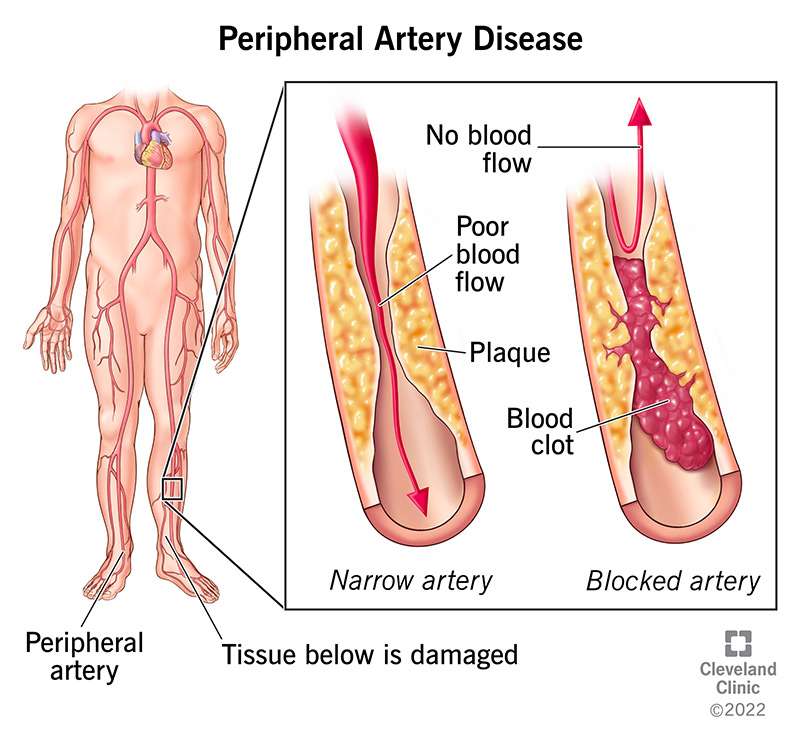
Vascular diseases

Vascular Diseases encompass a range of conditions affecting the blood vessels, including peripheral artery disease (PAD), carotid artery disease, and venous disorders. Effective management aims to alleviate symptoms, prevent complications, and improve quality of life.

🩺 Lifestyle Modifications

Adopting a heart-healthy lifestyle is foundational in managing vascular diseases:

  • Smoking Cessation: Quitting smoking is crucial, as tobacco use accelerates atherosclerosis and increases the risk of cardiovascular events .prathimahospitals.com
  • Dietary Changes: Emphasizing fruits, vegetables, whole grains, and lean proteins while reducing saturated fats helps manage cholesterol levels and blood pressure.
  • Regular Exercise: Engaging in physical activity improves circulation and overall vascular health.
  • Weight Management: Maintaining a healthy weight reduces strain on the cardiovascular system.

💊 Medications

Pharmacological interventions are tailored to individual needs:

  • Antiplatelet Agents: Medications like aspirin or clopidogrel help prevent blood clots, reducing the risk of heart attacks and strokes .
  • Statins: These drugs lower cholesterol levels, stabilizing plaques and preventing vascular events.
  • Antihypertensives: Controlling blood pressure with medications such as ACE inhibitors or beta-blockers is essential in managing vascular health.
  • Diabetes Management: Maintaining blood sugar levels within target ranges reduces the risk of complications in diabetic patients with vascular issues.

🏥 Surgical and Interventional Procedures

In advanced cases, surgical interventions may be necessary:

  • Angioplasty and Stenting: A balloon is used to open narrowed arteries, and a stent may be placed to keep the artery open .
  • Atherectomy: Plaque is removed from the arteries to restore blood flow.
  • Bypass Surgery: A graft is used to reroute blood around blocked arteries.
  • Endarterectomy: Surgical removal of fatty deposits from artery walls.
  • Thrombolytic Therapy: Clot-dissolving drugs are administered to treat acute blockages 

🩹 Wound Care and Compression Therapy

For conditions like venous ulcers or PAD-related wounds:

  • Wound Care: Proper cleaning and dressing of ulcers promote healing.
  • Compression Therapy: Using compression stockings helps reduce swelling and improve blood flow in venous diseases .

Conclusion

Managing vascular diseases requires a multifaceted approach, including lifestyle modifications, medications, and, when necessary, surgical interventions. Early detection and consistent management are key to preventing complications and enhancing quality of life. Regular check-ups and collaboration with healthcare providers are essential components of effective vascular disease management.

KIDNEY DISEASES
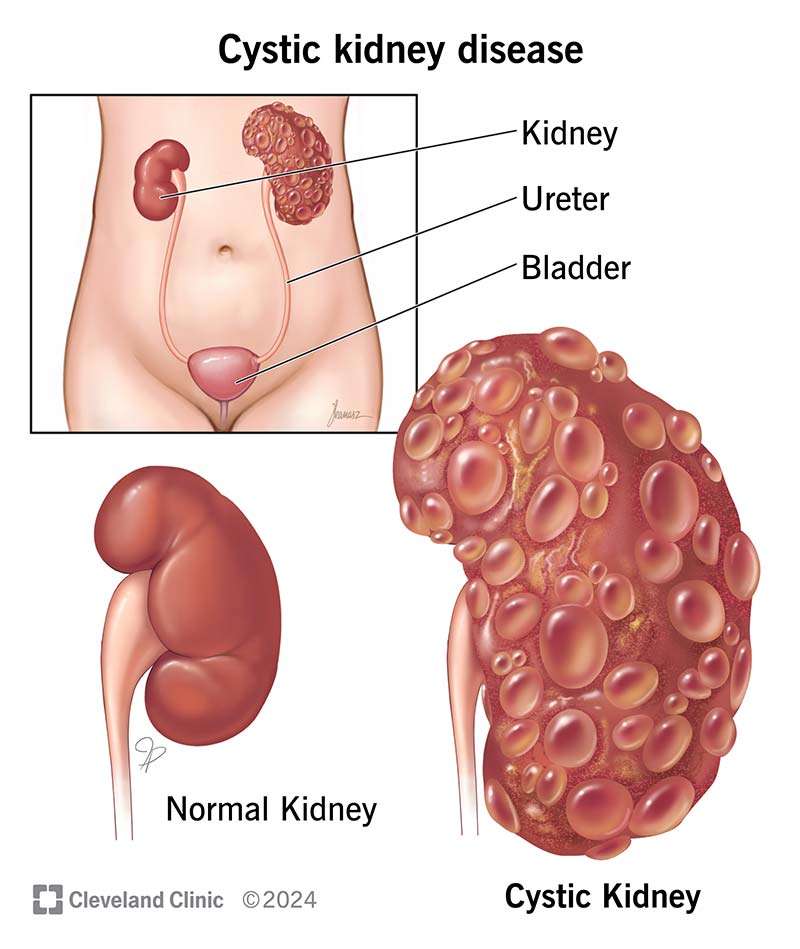
Kidney Diseases

Kidney Diseases encompass a spectrum of conditions affecting kidney function, ranging from acute kidney injury (AKI) to chronic kidney disease (CKD). Effective management is crucial to prevent progression to end-stage renal disease (ESRD).

🩺 Treatment Approaches

1. Lifestyle Modifications

  • Dietary Adjustments: Implementing a renal diet that limits sodium, phosphorus, potassium, and protein intake can alleviate kidney workload. This dietary approach helps manage electrolyte imbalances and reduces fluid retention .
  • Hydration: Maintaining adequate fluid intake is essential, but in certain cases, fluid restrictions may be necessary to prevent fluid overload. Monitoring urine output and adjusting fluid intake accordingly is vital .
  • Physical Activity: Engaging in regular exercise helps control blood pressure and improves overall health, which is beneficial for kidney function .

2. Pharmacological Interventions

  • Blood Pressure Management: Angiotensin-converting enzyme (ACE) inhibitors and angiotensin II receptor blockers (ARBs) are commonly prescribed to control blood pressure and reduce proteinuria, thereby slowing CKD progression .
  • Anemia Treatment: Erythropoiesis-stimulating agents (ESAs) and iron supplements are used to address anemia associated with CKD .
  • Cholesterol Control: Statins may be recommended to manage elevated cholesterol levels, reducing cardiovascular risks in CKD patients .

3. Renal Replacement Therapy (RRT)

  • Dialysis: Hemodialysis and peritoneal dialysis are employed when kidneys can no longer effectively filter waste products. Hemodialysis uses a machine to filter blood, while peritoneal dialysis uses the lining of the abdomen .
  • Kidney Transplantation: A kidney transplant involves replacing a diseased kidney with a healthy one from a donor. This option is considered for eligible patients with ESRD .

4. Emerging Therapies

  • Daprodustat: An oral medication approved for treating anemia due to CKD, offering an alternative to injectable ESAs .

Conclusion

Managing kidney disease requires a multifaceted approach, including lifestyle modifications, pharmacological treatments, and, when necessary, renal replacement therapies. Early detection and consistent management are key to preserving kidney function and improving patient outcomes. Regular monitoring and collaboration with healthcare providers are essential components of effective kidney disease management.

BREAST AND THYROID DISEASES

Breast and Thyroid Diseases

Breast Diseases

1. Breast Cancer
The most common malignancy among women globally, breast cancer originates in the breast cells, often presenting as lumps, changes in breast shape, or skin dimpling. Risk factors include age, family history, hormonal exposure, and lifestyle choices. Treatment modalities encompass surgery, chemotherapy, radiation therapy, and hormone therapy, tailored to cancer type and stage.

2. Benign Breast Conditions
These include fibroadenomas, cysts, and fibrocystic changes, which are non-cancerous but may cause discomfort or anxiety. Management often involves monitoring, aspiration of cysts, or surgical removal if necessary.

🩺 Thyroid Diseases

1. Hypothyroidism
Characterized by insufficient thyroid hormone production, leading to symptoms like fatigue, weight gain, and depression. Common causes include Hashimoto's thyroiditis and iodine deficiency. Treatment typically involves thyroid hormone replacement therapy.

2. Hyperthyroidism
An overactive thyroid produces excess hormones, causing symptoms such as weight loss, rapid heartbeat, and anxiety. Graves' disease is a common cause. Management options include antithyroid medications, radioactive iodine therapy, or surgery.

3. Thyroid Cancer
Although rare, thyroid cancer can occur, with papillary carcinoma being the most common type. Treatment usually involves surgical removal of the thyroid gland, followed by radioactive iodine therapy.

🔗 Interconnections Between Breast and Thyroid Diseases

Recent studies suggest a potential link between thyroid disorders and an increased risk of breast cancer. For instance, hyperthyroidism and autoimmune thyroid diseases like Hashimoto's thyroiditis have been associated with a higher incidence of breast cancer. Conversely, hypothyroidism may be linked to a reduced risk, though findings are inconsistent and require further investigation. 

Additionally, patients with thyroid cancer may have an elevated risk of developing breast cancer, particularly if they have a family history of cancer or have undergone radiation therapy. 

Conclusion

Understanding the relationship between breast and thyroid diseases is crucial for early detection and management. Patients with thyroid disorders should be monitored for breast health, and vice versa, to ensure comprehensive care. Regular screenings and consultations with healthcare providers are recommended for individuals at risk.

HEMORRHOIDS
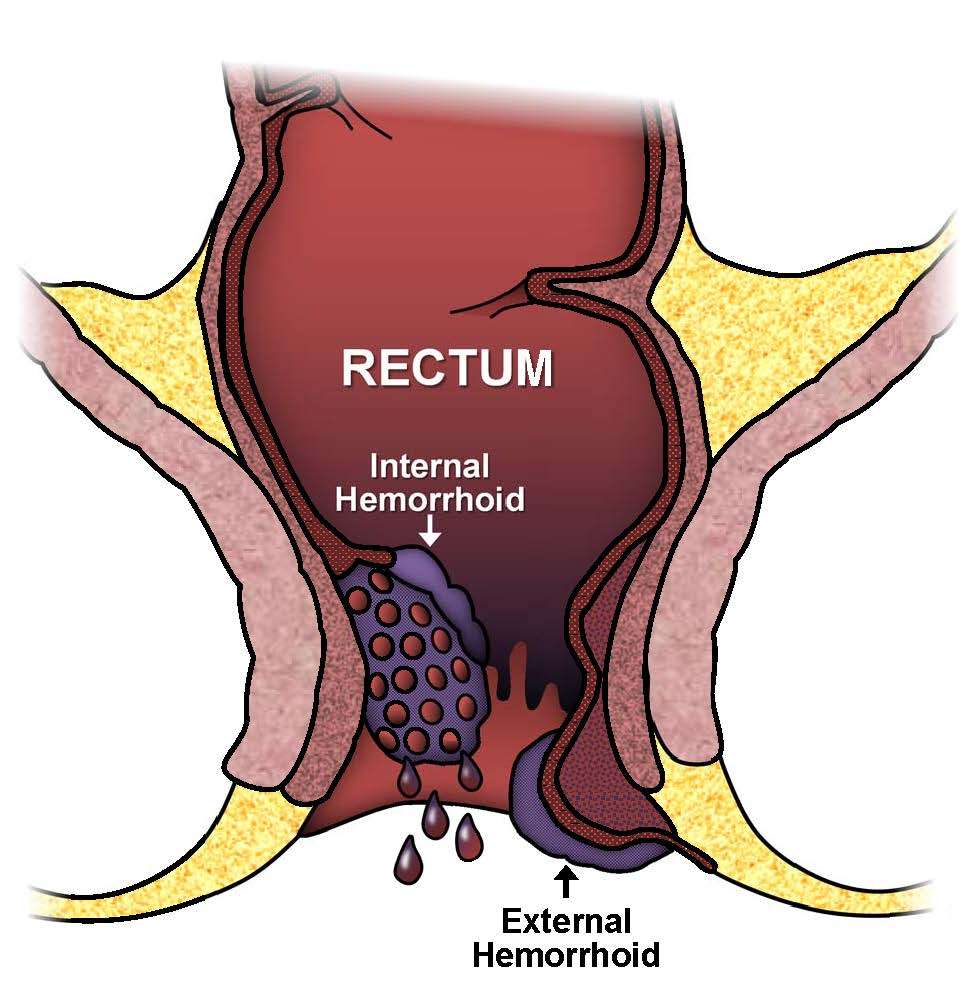
Hemorrhoids

Hemorrhoids

Conservative Measures:

  • Dietary Modifications: Increase fiber intake to 25–35 grams per day to soften stools and reduce straining.
  • Hydration: Drink ample fluids to prevent constipation.
  • Sitz Baths: Soak the anal area in warm water for 10–15 minutes several times daily to alleviate pain and swelling.
  • Topical Treatments: Use over-the-counter creams or ointments containing hydrocortisone or witch hazel for symptom relief. 

Medical Interventions:

  • Rubber Band Ligation: A small rubber band is placed around the base of the hemorrhoid to cut off blood supply, causing it to shrink and fall off.
  • Sclerotherapy: Injection of a chemical solution into the hemorrhoid to shrink it.
  • Infrared Coagulation: Use of infrared light to cause scarring and shrinkage of the hemorrhoid. 

Surgical Options:

  • Hemorrhoidectomy: Surgical removal of large or prolapsed hemorrhoids.
  • Stapled Hemorrhoidopexy: Stapling technique to remove hemorrhoidal tissue and reposition prolapsed hemorrhoids. 

🩺 Anal Fissures Treatment

Conservative Measures:

  • Fiber-Rich Diet: Consume 18–30 grams of fiber daily to prevent constipation.
  • Hydration: Adequate fluid intake to soften stools.
  • Sitz Baths: Warm water soaks to relax the anal sphincter and promote healing.
  • Topical Analgesics: Use of lidocaine ointment for pain relief. 

Medical Treatments:

  • Nitroglycerin Ointment: Applied to the anal area to increase blood flow and reduce sphincter pressure, aiding healing.
  • Botox Injections: Botulinum toxin injection to relax the anal sphincter muscle.
  • Calcium Channel Blockers: Topical application of nifedipine or diltiazem to relax the anal sphincter. 

Surgical Intervention:

  • Lateral Internal Sphincterotomy (LIS): Surgical procedure involving a small incision in the anal sphincter to relieve pressure and promote healing. 

Both conditions can often be managed with lifestyle modifications and medical treatments. However, persistent or severe cases may require surgical intervention. Consultation with a healthcare provider is recommended for proper diagnosis and treatment planning.

GASTRO-INTESTINAL DISEASE
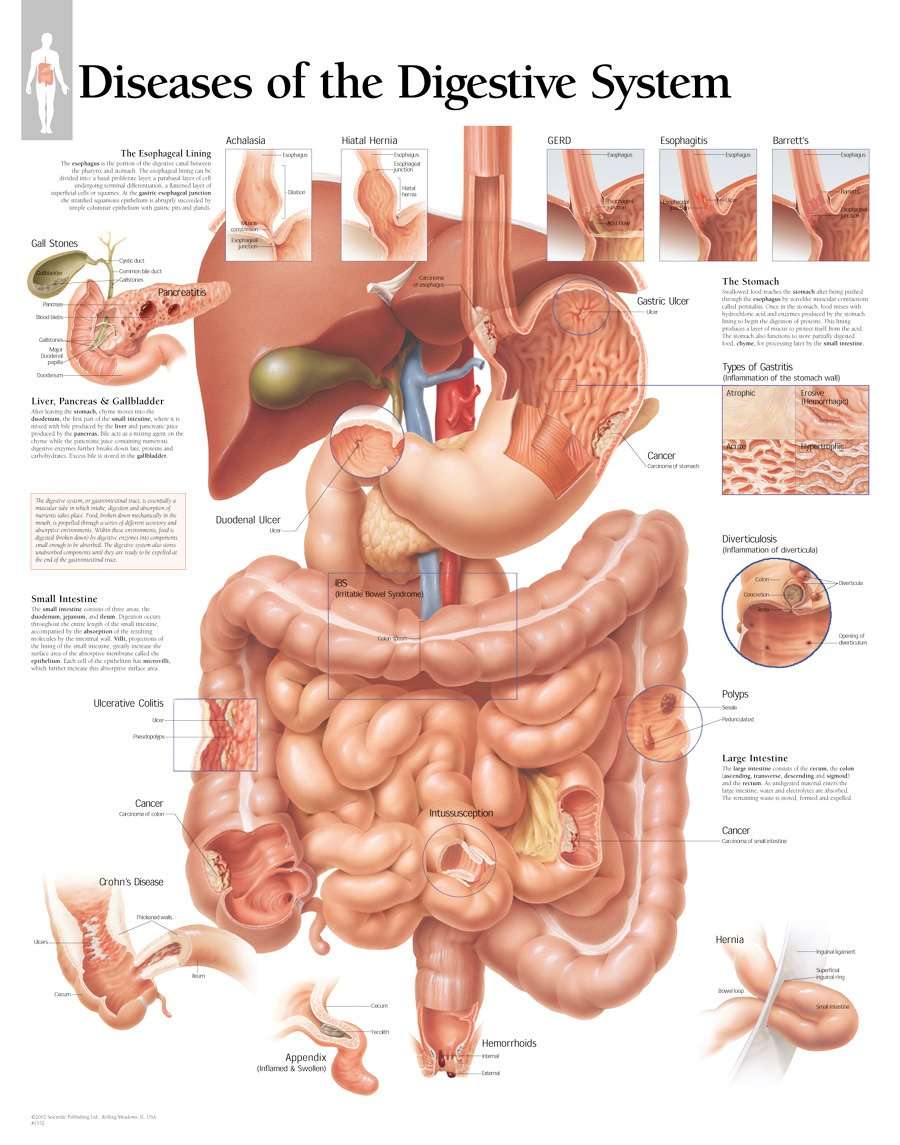
Gastro-intestinal Disease

Gastrointestinal (GI) diseases encompass a wide range of conditions affecting the digestive system, including the esophagus, stomach, intestines, liver, and pancreas. These disorders can significantly impact daily life, causing symptoms such as abdominal pain, bloating, diarrhea, constipation, and nausea.

Common Gastrointestinal Disorders

  1. Gastroesophageal Reflux Disease (GERD): Characterized by chronic acid reflux, GERD leads to heartburn, chest pain, and regurgitation. It results from the backflow of stomach contents into the esophagus due to a weakened lower esophageal sphincter. Management includes lifestyle modifications, medications like proton pump inhibitors, and, in severe cases, surgery. 
  2. Irritable Bowel Syndrome (IBS): A functional GI disorder causing symptoms like abdominal cramps, bloating, and alternating diarrhea and constipation. The exact cause remains unknown, but stress and diet can trigger symptoms. Treatment focuses on dietary changes, stress management, and medications to alleviate symptoms. 
  3. Inflammatory Bowel Disease (IBD): Includes Crohn's disease and ulcerative colitis, conditions characterized by chronic inflammation of the gastrointestinal tract. Symptoms encompass persistent diarrhea, abdominal pain, fatigue, and weight loss. Treatment may involve anti-inflammatory drugs, immune system suppressors, and sometimes surgery. 
  4. Peptic Ulcer Disease: Caused by the erosion of the stomach lining or the upper part of the small intestine, leading to sores or ulcers. Symptoms include stomach pain, bloating, and indigestion. Treatment typically involves antibiotics for H. pylori infection and medications to reduce stomach acid. 
  5. Celiac Disease: An autoimmune disorder where ingestion of gluten damages the small intestine lining, leading to malabsorption of nutrients. Symptoms vary widely and can include diarrhea, weight loss, and fatigue. The primary treatment is a strict, lifelong gluten-free diet.

Diagnosis and Treatment

Diagnosis of GI diseases often involves a combination of medical history review, physical examination, laboratory tests, imaging studies, and endoscopic procedures. Treatment strategies are tailored to the specific condition and may include dietary modifications, medications, and in some cases, surgical interventions.

Conclusion

Gastrointestinal diseases are prevalent and can range from mild to severe. Early diagnosis and appropriate management are crucial for improving quality of life and preventing complications. If you experience persistent digestive symptoms, consult a healthcare professional for evaluation and personalized treatment.

HERNIA
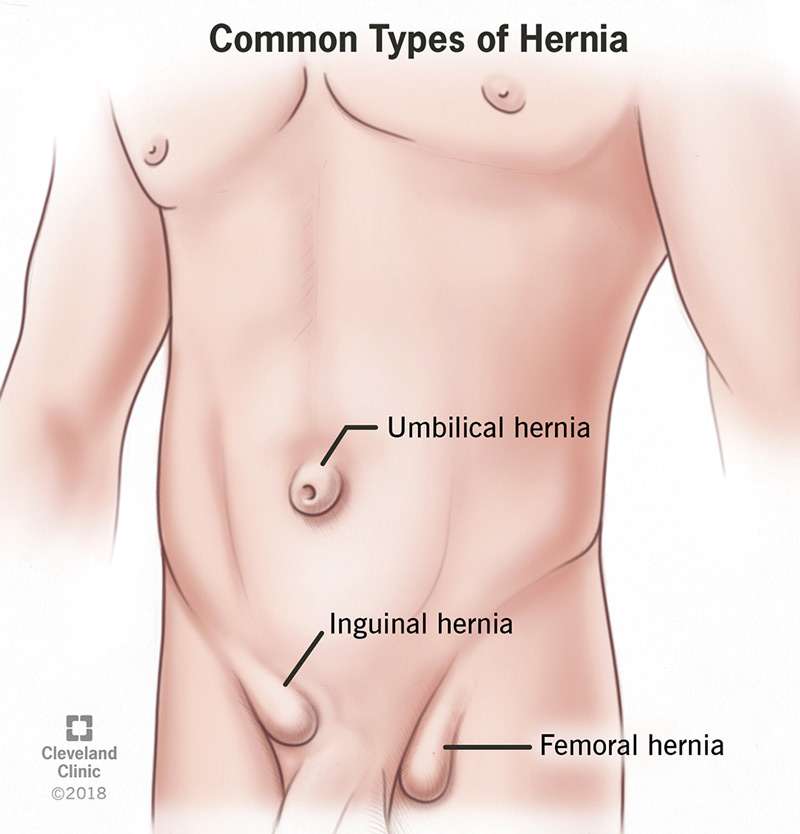
Hernia

A Hernia occurs when an internal organ or tissue bulges through a weak spot in the abdominal wall, often causing pain or discomfort. While some small, asymptomatic hernias may be managed conservatively, surgical intervention is typically recommended for symptomatic or complicated cases.

Surgical Options

  1. Open Hernia Repair: This traditional method involves making a single incision at the hernia site to reposition the protruding tissue and reinforce the abdominal wall, usually with a synthetic mesh. It's effective for various hernia types but may require a longer recovery period.
  2. Laparoscopic (Minimally Invasive) Repair: Utilizing several small incisions, this technique involves inserting a camera and instruments to repair the hernia. It offers benefits like reduced pain, shorter hospital stays, and quicker recovery. Laparoscopic repair is often preferred for bilateral or recurrent hernias.
  3. Robotic-Assisted Surgery: An advanced form of laparoscopic surgery, robotic-assisted procedures provide enhanced precision and control. The surgeon operates robotic arms while viewing a 3D magnified image, improving outcomes, especially in complex or large hernias.

Conservative Management

For small, asymptomatic hernias, a "watchful waiting" approach may be advised. This involves monitoring the hernia for any changes or worsening symptoms over time. Lifestyle modifications, such as avoiding heavy lifting and maintaining a healthy weight, can help manage symptoms.

Conclusion

The choice of treatment depends on the hernia's type, size, and location and the patient's overall health. Consulting with a healthcare professional is essential to determine the most appropriate treatment plan.

UROLOGY
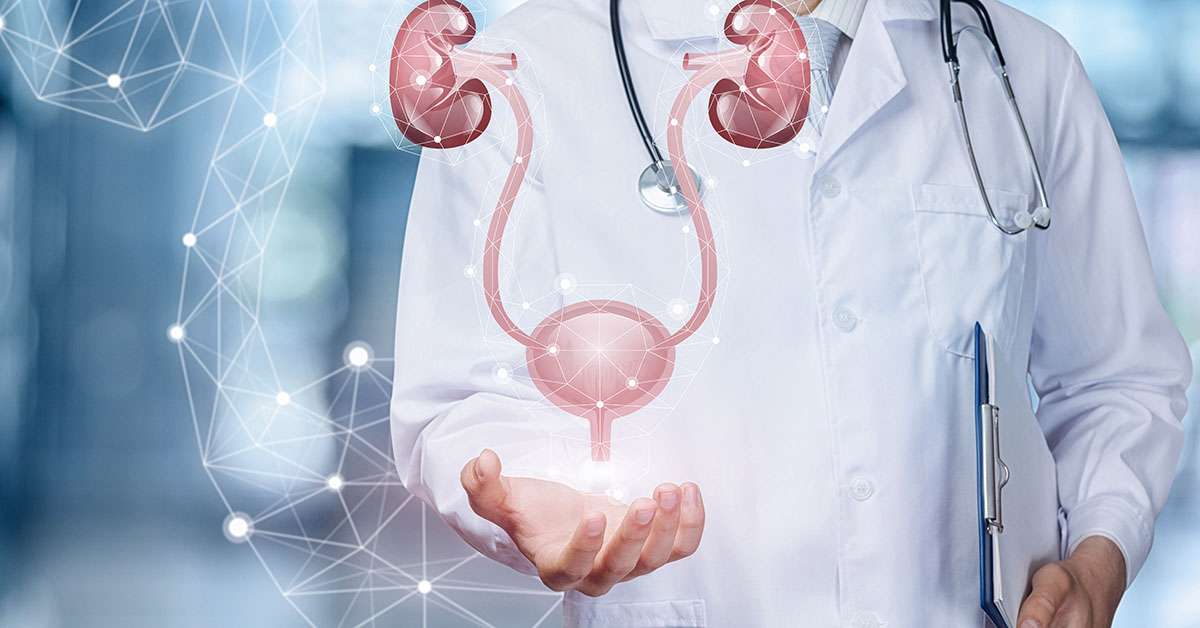
Urology

Urology is a medical specialty focusing on the diagnosis and treatment of conditions affecting the urinary tract and male reproductive organs. Urologists manage a wide range of disorders, including urinary tract infections (UTIs), kidney stones, benign prostatic hyperplasia (BPH), prostate cancer, erectile dysfunction, and incontinence.

Common Urological Treatments

  1. Medications: Alpha-blockers and 5-alpha-reductase inhibitors are commonly prescribed to manage BPH symptoms by relaxing prostate muscles and reducing gland size.
  2. Minimally Invasive Procedures:
    • Transurethral Microwave Thermotherapy (TUMT): Utilizes microwave energy to shrink prostate tissue, alleviating BPH symptoms.
    • Prostatic Artery Embolization (PAE): A non-surgical technique that blocks blood flow to the prostate, leading to its shrinkage. 
  3. Surgical Interventions:
    • Transurethral Resection of the Prostate (TURP): A standard procedure for BPH involving the removal of prostate tissue through the urethra.
    • Prostatectomy: Surgical removal of all or part of the prostate gland, often performed for prostate cancer. 
  4. Neuromodulation Therapy:
    • Percutaneous Tibial Nerve Stimulation (PTNS): A minimally invasive procedure that stimulates nerves controlling the bladder, effective for overactive bladder symptoms.

GENERAL SURGERY
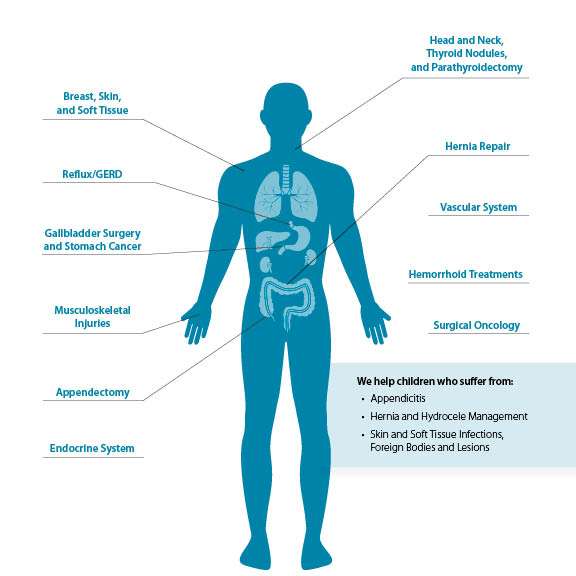
General surgery

General surgery is a medical specialty that focuses on surgical treatment of conditions affecting the abdomen, digestive tract, skin, soft tissues, and endocrine system. It includes both elective and emergency procedures, often performed using advanced techniques such as laparoscopy (keyhole surgery) and robotic-assisted systems.

Common General Surgical Treatments:

  • Appendectomy: Surgical removal of an inflamed appendix, commonly due to appendicitis. This is often an emergency procedure.
  • Cholecystectomy: Removal of the gallbladder, typically performed to treat gallstones or gallbladder infection.
  • Hernia Repair: Fixes abdominal wall hernias using sutures or surgical mesh, done through open or laparoscopic techniques.
  • Bowel Resection: Removal of a diseased part of the intestine, often necessary for cancer, Crohn’s disease, or obstruction.
  • Mastectomy: Surgical removal of one or both breasts, usually as a treatment for breast cancer.
  • Thyroidectomy: Partial or total removal of the thyroid gland to treat thyroid disorders or cancer.

Modern Techniques:
Minimally invasive surgery, such as laparoscopic and robotic surgery, uses small incisions, reducing recovery time, pain, and hospital stay. These approaches are increasingly preferred due to lower risk of complications.

Postoperative Care:
Recovery varies by procedure but usually includes pain management, wound care, mobility exercises, and follow-up visits. Lifestyle changes and medications may be recommended to support long-term healing.

STONE DISEASES
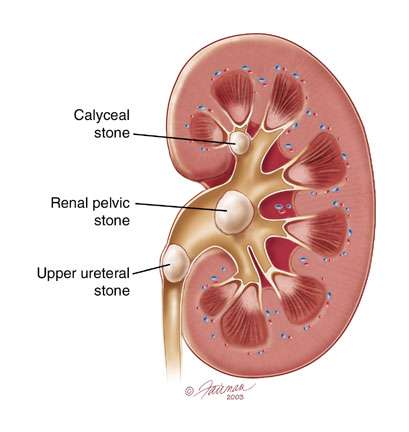
Stone Diseases

Stone diseases, particularly kidney stones, require treatment based on the type, size, and location of the stone, as well as the severity of symptoms. Small stones often pass naturally through the urinary tract with increased fluid intake. Drinking 2–3 liters of water daily helps dilute the urine, making it easier for small stones to pass. Pain can be managed with over-the-counter medications like ibuprofen or prescribed painkillers.

For larger or symptomatic stones, medical intervention may be necessary. Medications such as alpha-blockers (e.g., tamsulosin) can relax the muscles in the ureter, aiding stone passage. Uric acid stones may dissolve with urine alkalinization using potassium citrate or sodium bicarbonate.

LEPTOSPIROSIS
Leptospirosis
**Meet Dr. Ronny Gupta, MBBS - Internal Medicine Specialist** Welcome to Dr. Ronny Gupta’s practice! With over a decade of experience in internal medicine, Dr. Gupta is dedicated to providing comprehensive care tailored to the unique needs of each patient. He combines his extensive medical knowledge with a genuinely compassionate approach, ensuring that his patients feel heard, understood, and supported throughout their healthcare journey. Dr. Gupta completed his Bachelor of Medicine, Bachelor of Surgery (MBBS) degree at a renowned medical school, where he gained a solid foundation in medical science and patient care. His passion for internal medicine stems from his desire to address a wide range of health issues, focusing on the prevention, diagnosis, and treatment of chronic and complex conditions. Over the past ten years, he has honed his skills in managing conditions such as diabetes, hypertension, heart disease, respiratory disorders, and more. In his practice, Dr. Gupta places a strong emphasis on building meaningful relationships with his patients. He believes that understanding each patient’s lifestyle, concerns, and health history is key to developing effective treatment plans. He takes the time to listen, answer questions, and discuss all available options, empowering patients to take an active role in their healthcare decisions. As a firm believer in the importance of preventive care, Dr. Gupta encourages regular health check-ups and screenings, which can help identify potential health issues before they become serious. By educating his patients on healthy lifestyle choices, nutrition, and exercise, he aims to foster a proactive approach to health management. Dr. Gupta is also committed to staying current with the latest advancements in medical research and treatment. He regularly participates in continuing education and professional development, ensuring that he is equipped with the most up-to-date knowledge and techniques to provide the best possible care. Patients appreciate his warm demeanor and personable approach, often expressing gratitude for the time he dedicates to each consultation. They often describe him as approachable and trustworthy, qualities that make them feel comfortable discussing even the most sensitive health concerns. Outside of his practice, Dr. Gupta enjoys spending time with his family, exploring the outdoors, and engaging in community health initiatives. His commitment to patient care extends beyond the office, as he actively participates in initiatives aimed at promoting health awareness and education in the local community. If you're looking for a dedicated internal medicine specialist who values your health and well-being, Dr. Ronny Gupta is here to help. Schedule an appointment today to experience personalized care that truly makes a difference in your health journey.

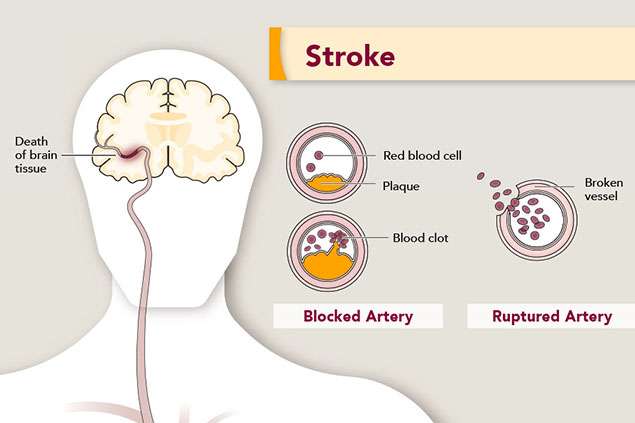
STROKE

Stroke
**Meet Dr. Ronny Gupta, MBBS – Your Trusted Internal Medicine Specialist** With a decade of dedicated experience in the field of Internal Medicine, Dr. Ronny Gupta is committed to providing comprehensive and compassionate care for his patients. As a board-certified physician, Dr. Gupta has built a reputation for his patient-centered approach, emphasizing both medical expertise and a warm, understanding demeanor. Dr. Gupta completed his Bachelor of Medicine, Bachelor of Surgery (MBBS) from a prestigious medical college, where he developed a solid foundation in medical science and patient care. Over the years, he has honed his skills and grown knowledgeable about a wide range of medical conditions, focusing on chronic diseases, preventive care, and overall wellness. His experience spans the management of complex illnesses, including diabetes, hypertension, cardiovascular diseases, respiratory disorders, and more. Dr. Gupta believes that effective healthcare goes beyond just treating symptoms. He is dedicated to understanding each patient’s unique medical history, lifestyle, and individual needs. He takes the time to listen to concerns, answer questions, and educate his patients about their health. Dr. Gupta aims to empower patients to take an active role in their healthcare journey by providing clear explanations and useful guidance on lifestyle modifications and preventive strategies. In his practice, Dr. Gupta employs evidence-based treatments alongside the latest medical advancements to ensure the best possible outcomes for his patients. He collaborates closely with specialists when necessary, coordinating care to ensure a comprehensive approach to health management. His holistic view of medicine incorporates not only physical health but also mental and emotional well-being, recognizing the intrinsic link between mind and body. Dr. Gupta’s warm, trustworthy demeanor puts patients at ease, making it easier for them to discuss their health concerns openly. He understands that visiting a physician can be daunting, and strives to create a welcoming environment where every patient feels valued and respected. When he is not in the clinic, Dr. Gupta enjoys engaging with the community through health seminars and workshops, spreading awareness about preventive healthcare. He also enjoys reading, hiking, and spending time with his family, which helps him maintain a balanced lifestyle. If you’re looking for an internal medicine specialist who prioritizes your health and well-being, Dr. Ronny Gupta is here to help. With his wealth of experience and compassionate care, he is committed to guiding you towards a healthier, happier life.

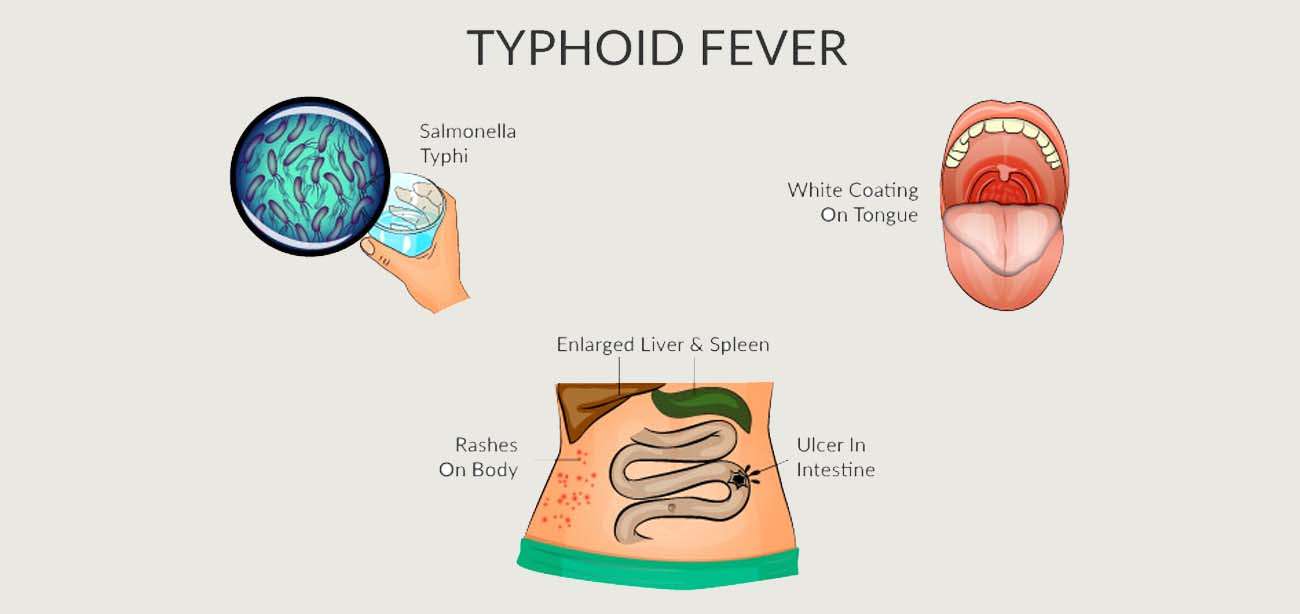
TYPHOID

Typhoid
**Meet Dr. Ronny Gupta, MBBS - Your Trusted Partner in Health** Dr. Ronny Gupta is a dedicated and compassionate physician specializing in Internal Medicine, bringing over a decade of experience to his practice. With a medical degree (MBBS) and extensive training in patient care, Dr. Gupta has a profound understanding of a wide range of medical conditions, enabling him to address health concerns with precision and empathy. Throughout his ten years in the medical field, Dr. Gupta has developed a reputation for his thorough, patient-centered approach. He believes that effective healthcare is built on open communication and mutual respect. Dr. Gupta prioritizes building lasting relationships with his patients, ensuring they feel comfortable discussing their health issues and concerns. His warm demeanor and attentive listening skills create a welcoming environment where patients can express their worries and preferences. Dr. Gupta's expertise covers a broad spectrum of internal medicine, including chronic disease management, preventative care, and acute illness treatment. He is well-versed in managing complex conditions such as diabetes, hypertension, and heart disease, and he is committed to providing personalized treatment plans tailored to each patient’s unique needs. Dr. Gupta emphasizes the importance of preventative care, encouraging patients to engage in healthy lifestyle choices to mitigate potential health risks. In addition to his clinical work, Dr. Gupta is passionate about educating his patients. He takes the time to explain diagnoses, treatment options, and the underlying principles of various health conditions in an accessible manner. He believes that informed patients are empowered patients, and he enjoys collaborating with them to achieve optimal health outcomes. Dr. Gupta continuously seeks to stay updated with the latest advancements in medical science, ensuring that the treatments he offers are evidence-based and current. Dr. Gupta also understands that healthcare can be overwhelming, and he strives to ease this burden for his patients. He is dedicated to creating a supportive environment, where patients feel knowledgeable and confident in managing their conditions. Whether it’s through regular check-ups, consultations, or follow-up care, Dr. Gupta supports his patients every step of the way. When you choose Dr. Ronny Gupta as your internal medicine physician, you are selecting a partner who genuinely cares about your health and well-being. He looks forward to partnering with you on your journey towards better health, and he is always available to answer your questions and address your concerns. Your health is his mission, and he is dedicated to helping you thrive.

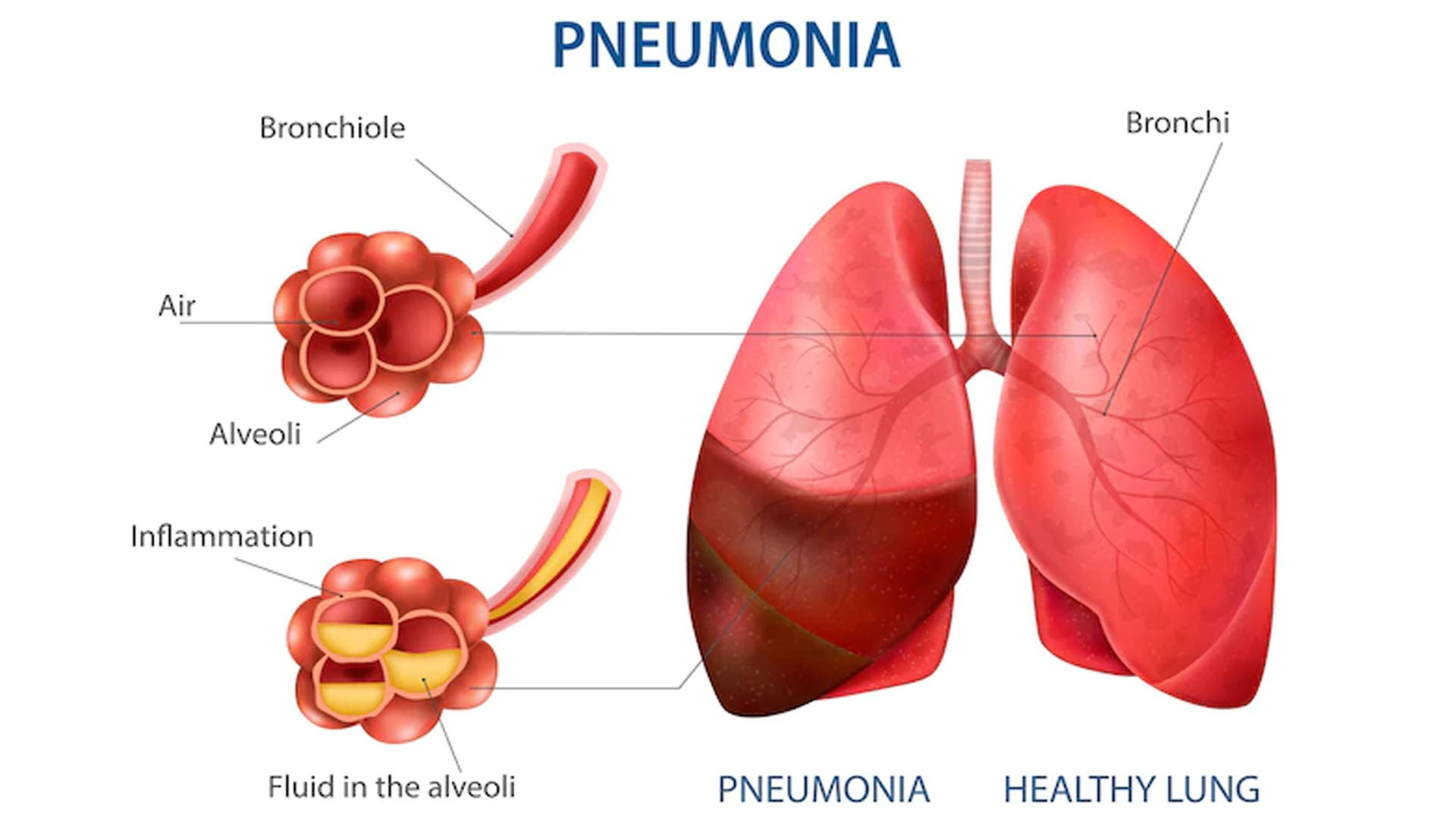
PNEUMONIA

Pneumonia
**Meet Dr. Ronny Gupta, MBBS – Trusted Internal Medicine Specialist** Dr. Ronny Gupta is a dedicated and compassionate Internal Medicine specialist with over 10 years of experience providing high-quality healthcare to adults. He is committed to diagnosing and managing a broad range of medical conditions, from chronic illnesses to preventive care, ensuring that his patients achieve their best health outcomes. Dr. Gupta completed his Bachelor of Medicine, Bachelor of Surgery (MBBS) degree from a prestigious medical institution, where he developed a strong foundation in the principles of internal medicine. His extensive training encompasses a variety of areas, including cardiovascular health, diabetes management, respiratory disorders, and infectious diseases. Throughout his career, he has remained dedicated to continuing education, regularly updating his knowledge with the latest advancements in medical science and clinical practices. One of Dr. Gupta’s greatest strengths is his ability to build trusting relationships with his patients. He believes in taking the time to listen carefully to each individual’s health concerns and understanding their unique needs. His warm demeanor, combined with a patient-centered approach, allows him to create a comfortable environment where patients feel valued and understood. Dr. Gupta understands that medical visits can be stressful, and he strives to ensure every patient feels at ease while discussing their health. In his practice, Dr. Gupta emphasizes the importance of preventive care and education. He takes an active role in guiding his patients on how to maintain healthy lifestyles, including dietary choices, exercise, and managing stress. By fostering open communication and collaboration, he empowers his patients to take charge of their health and make informed decisions. Dr. Gupta is particularly passionate about managing chronic conditions, as well as coordinating care among specialists when necessary. He firmly believes that comprehensive, holistic care is essential in addressing not only physical health but also the emotional and psychological aspects of well-being. When he is not in the office, Dr. Gupta enjoys spending time with his family, engaging in outdoor activities, and volunteering in his community. He believes in the importance of giving back and fostering the overall wellness of the community he serves. If you are searching for a knowledgeable, compassionate physician who will prioritize your health and well-being, Dr. Ronny Gupta is here to help. Whether you need routine check-ups, chronic disease management, or preventive care, he is committed to ensuring you receive the utmost care in every aspect of your health journey.

FEVER

Fever
**Meet Dr. Ronny Gupta, MBBS – Your Trusted Internal Medicine Specialist** With a decade of experience in the field of Internal Medicine, Dr. Ronny Gupta is dedicated to providing compassionate and comprehensive healthcare to his patients. He believes in treating the whole person, not just the symptoms, and employs a holistic approach that prioritizes the well-being of each individual he encounters. Dr. Gupta pursued his medical degree at a prestigious institution, where he developed a strong foundation in understanding various diseases and their complex interactions within the human body. Over the years, he has honed his skills in diagnosing and managing a wide range of medical conditions, from chronic illnesses like diabetes and hypertension to acute health issues that require immediate attention. As an Internal Medicine specialist, Dr. Gupta is passionate about preventive care and patient education. He takes the time to listen to his patients, understanding their concerns and health goals. This communication fosters strong, trusting relationships that empower patients to make informed decisions about their health. He firmly believes that an educated patient is an active participant in their care, leading to better health outcomes and improved quality of life. Dr. Gupta’s patient-centered approach means that he tailors his treatment plans to fit each individual’s unique circumstances. Whether it’s creating a comprehensive management plan for a chronic condition or addressing sudden health problems, he ensures that each patient receives personalized attention and care. He also stays informed about the latest advancements in medicine, allowing him to offer the most effective treatments available. In addition to his clinical work, Dr. Gupta is actively involved in community health initiatives aimed at promoting awareness about health maintenance and disease prevention. He regularly participates in workshops and seminars, sharing his expertise with the public and encouraging proactive health management. Outside of his professional life, Dr. Gupta enjoys spending time with his family, engaging in outdoor activities, and reading. He understands that a healthy lifestyle extends beyond the clinic, and he wholeheartedly advocates for the balance of physical health and mental well-being. When you choose Dr. Ronny Gupta as your Internal Medicine specialist, you can expect a warm and welcoming atmosphere where your health concerns are taken seriously. His commitment to excellence in patient care ensures that you will receive not only the best possible medical attention but also support that nurtures your overall health journey. Your health is in capable hands with Dr. Gupta, where every patient is treated like family.

CARDIOLOGY

Cardiology
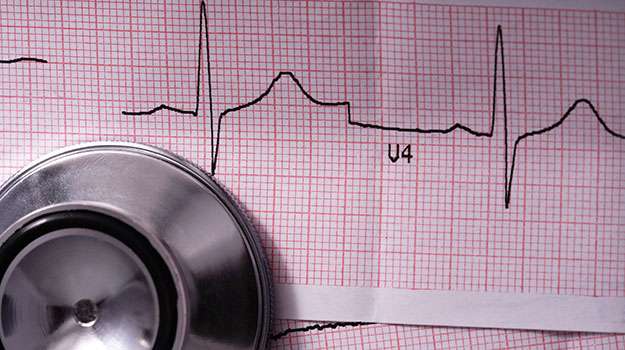
This Cardiac Centre is committed to provide the best services in cardiac health care with comprehensive cardiology. Such as Cardiac diagnostics, Interventional cardiac Procedures, Cardiac Surgeries, Cardiac rehabilitation services, Peripheral Vascular diagnostics and procedures. Throughout the years, the Holy Spirit Heart Centre has worked to establish a reputation as a leader in Cardiac Care, with emphasis on diagnosis, and treatment of all cardiac ailments. Recognizing the importance of providing effective and definitive treatment during cardiac emergencies, the Hospital has ventured into setting up a 10,000 sq. ft, ultra-modern, full-fledged Heart Centre comprising 16 Bedded CARDIAC ICU, Advanced Phillips Allura CATH LAB, and a well-equipped CARDIAC OPERATION THEATRE.

PSYCHIATRY

PSYCHIATRY
Department of psychiatry has psychiatrists practising for more than 25 years The department has been catering to all mental health issues in the realms of adult, child and geriatric psychiatry The department is known for multidisciplinary practice and consultation liaison approach.

RHEUMATOLOGY

RHEUMATOLOGY
It is a branch related to various autoimmune diseases seen in the general population It deals with various diseases like Rheumatoid arthritis Gout Inflammatory arthritis Sle or lupus Psoriatic arthritis Seronegative spondyloarthropathy including Ankylosing spondylitis Beckets disease Rheumatic fever Multi systemic inflammation Post viral arthritis Vasculitis Raynaud’s disease Sjögren’s syndrome Post covid inflammatory disease Young strokes with their investigations Bone metabolic diseases including osteoporosis

VASCULAR

 VASCULAR
In our ageing population, vascular disease is a common cause of disability and mortality. Vascular disease or disease of the blood vessels can be categorized as those affecting the arteries (blood vessels carrying blood away from the heart) and those affecting the veins (blood vessels carrying blood to the heart)

FAQs

What if my query is not listed here?
If you have any more queries that aren't listed, you can email us or call us.
Why is it best to consult a specialist?
A specialist doctor is trained to treat complex health conditions in their particular field. If you are diagnosed with a condition, it is best to consult a doctor who specializes in dealing with that particular condition.
Why should I consult Dr Vipin Jain- L?
Dr Vipin Jain- L is a specialist in General Surgeons and having more than 10 years of experience.
What if my query is not listed here?
If you have any more queries that aren't listed, you can email us.
Why is it best to consult a specialist?
A specialist doctor is trained to treat complex health conditions in their particular field. If you are diagnosed with a condition, it is best to consult a doctor who specializes in dealing with that particular condition.
How can I book an appointment?
You can click on the book appointment link.