
Dr Vipin Ola- Neu
About Me
Dr Vipin Ola- Neu
MD
Neurologist
10 Years Experience
Biography
My Clinic
OPD Hours
| Monday | Morning | 10:00 AM | - | 02:00 PM |
| Evening | 06:00 PM | - | 09:00 PM | |
| Tuesday | Morning | 10:00 AM | - | 02:00 PM |
| Evening | 06:00 PM | - | 09:00 PM | |
| Wednesday | Morning | 10:00 AM | - | 02:00 PM |
| Evening | 06:00 PM | - | 09:00 PM | |
| Thursday | Morning | 10:00 AM | - | 02:00 PM |
| Evening | 06:00 PM | - | 09:00 PM | |
| Friday | Morning | 10:00 AM | - | 02:00 PM |
| Evening | 06:00 PM | - | 09:00 PM | |
| Saturday | Morning | 10:00 AM | - | 02:00 PM |
| Evening | 06:00 PM | - | 09:00 PM | |
| Sunday | Morning | 10:00 AM | - | 02:00 PM |
| Evening | 06:00 PM | - | 09:00 PM |
Treatments
Specialised care and treatments offered
PERIPHERAL NEUROPATHY EVALUATION

This condition involves damage or dysfunction of peripheral nerves causing sensory disturbances or muscle weakness. Early detection allows for better symptom control and underlying cause identification.
- Main Symptoms: Numbness , tingling , burning pain , muscle weakness , especially in hands and feet .
- Diagnosis: Nerve conduction studies , electromyography , blood tests , nerve biopsy if needed .
- Causes: Diabetes , infections , autoimmune diseases , toxins , vitamin deficiencies .
- Treatment : Focused on managing root cause ; symptomatic relief using medications like anticonvulsants or antidepressants ; physical therapy supportive.
- Prognosis : Variable depending on cause ; some cases improve with appropriate intervention.
Caring for peripheral neuropathy involves a multidisciplinary approach aimed at improving sensation and preventing complications like foot ulcers.
STROKE REHABILITATION
A stroke occurs when blood flow to part of the brain is interrupted causing sudden neurological deficits. Timely care improves chances of functional recovery significantly after a stroke event.
- Causal Types: Ischemic (blockage) or hemorrhagic (bleeding) strokes affecting specific brain regions.
- Diagnosis: CT/MRI imaging confirms stroke type and extent while clinical assessment guides urgent management.
- Treatment Goals: Acute interventions focus on restoring perfusion; long-term rehabilitation includes physical therapy, speech therapy, and occupational therapy.
MULTIPLE SCLEROSIS (MS) MANAGEMENT
This autoimmune condition affects the central nervous system by damaging myelin sheaths around nerves leading to diverse neurological issues. Prompt recognition aids in slowing disease progression.
- Symptoms: May include vision problems, muscle weakness, coordination difficulties, numbness or tingling sensations varying over time.
- Diagnosis: Involves MRI scans showing lesions in the brain or spinal cord along with cerebrospinal fluid analysis.
- Treatment: Disease-modifying therapies aim to reduce relapses; corticosteroids manage acute flare-ups; rehabilitation supports functional independence.
- Lifestyle Considerations: Maintaining physical activity within limits alongside stress management can improve quality of life.
An individualized treatment plan helps address MS symptoms and supports long-term wellbeing despite its chronic nature.
MIGRAINE TREATMENT
Migraine is a neurological condition characterized by intense headaches often accompanied by nausea, visual disturbances, or sensitivity to light and sound. Understanding its features helps in effective management.
- Causative Factors: Genetic predisposition combined with environmental triggers such as stress, certain foods, hormonal changes, or sensory stimuli.
- Diagnosis: Based on patient history detailing headache patterns; sometimes supplemented by imaging if atypical symptoms occur.
- Treatment Options: Acute pain relief with analgesics or triptans; preventive therapy including lifestyle changes and prophylactic medications where frequent episodes occur.
- Lifestyle Management: Identifying personal triggers and maintaining regular sleep patterns is beneficial for reducing attacks.
A comprehensive approach combining medication with lifestyle modifications offers the best results in controlling migraine frequency and severity.
PARKINSON’S DISEASE CARE
Parkinson’s disease is a progressive movement disorder resulting from the loss of dopamine-producing neurons. It most commonly affects older adults but requires careful attention throughout its course.
- Recognizing Symptoms: Tremors at rest, muscle stiffness, slowed movement (bradykinesia), and balance difficulties are typical signs.
- Diagnostic Approach: Clinical examination supported by imaging studies helps differentiate Parkinson’s from other similar conditions.
- Treatment Strategies: Include medications like levodopa to replenish dopamine levels and physical therapy to maintain mobility and function.
- Long-Term Outlook: While there is no cure yet, symptom management can greatly enhance daily living and independence.
Early intervention is key to managing progression effectively and improving patient outcomes over time.
EPILEPSY MANAGEMENT
Epilepsy is a neurological disorder characterized by recurrent seizures caused by abnormal electrical activity in the brain. Understanding and managing epilepsy can greatly improve quality of life for those affected.
- Symptoms and Causes: Seizures, which may include convulsions, fainting spells, or unusual sensations. Causes vary from genetic factors to brain injury or infections.
- Diagnosis: Includes EEG testing to detect abnormal brain waves, MRI scans to rule out structural issues, and clinical history evaluation.
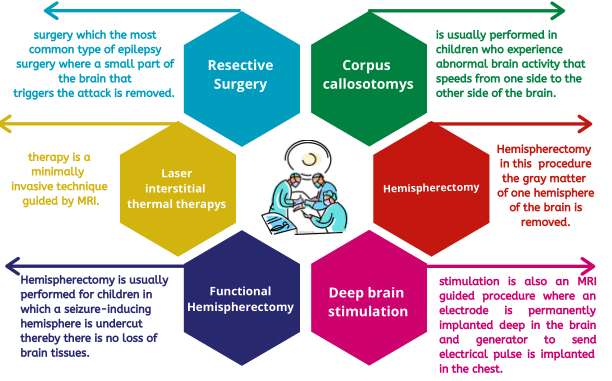
- Treatment Options: Primarily antiepileptic medications tailored to seizure type; in some cases, surgery or neurostimulation devices are considered.
- Management: Lifestyle adjustments such as avoiding seizure triggers, medication adherence, and regular follow-ups are vital.
With proper diagnosis and ongoing treatment, many individuals with epilepsy lead active and fulfilling lives.