
Dr Viral Shah
About Me
Dr Viral Shah
DNB
Ophthalmologist
8 Years Experience
Biography
My Clinic
OPD Hours
| Monday | Morning | 09:00 AM | ||
| Evening | 09:00 PM | |||
| Tuesday | Morning | 09:00 AM | ||
| Evening | 09:00 PM | |||
| Wednesday | Morning | 09:00 AM | ||
| Evening | 09:00 PM | |||
| Thursday | Morning | 09:00 AM | ||
| Evening | 09:00 PM | |||
| Friday | Morning | 09:00 AM | ||
| Evening | 09:00 PM |
Treatments
Specialised care and treatments offered
RETINAL DETACHMENT REPAIR
A retinal detachment is an emergency condition where the retina separates from its underlying supportive tissue. It demands immediate medical attention as it can lead to permanent vision loss if not addressed promptly!
- Commonly experienced symptoms include sudden flashes of light, floaters appearance alongside shadowy curtain-like effects blocking parts of your view!
- Diagnosis involves detailed examination by an ophthalmologist supplemented by optical coherence tomography (OCT) images revealing any detachments clearly visible within retina layers!
- Treatments available depend largely upon severity—options ranging from laser photocoagulation seals off leakage sites while cryopexy freezes areas around ruptures up until full surgical interventions such as vitrectomy & scleral buckle placements!
- Post-procedure follow-ups ensure proper healing checks—most patients regain significant portions once repaired accordingly!
Fast action towards addressing this urgent issue guarantees positive outcomes regarding retaining hope towards regained sight afterward!
KERATOCONUS MANAGEMENT
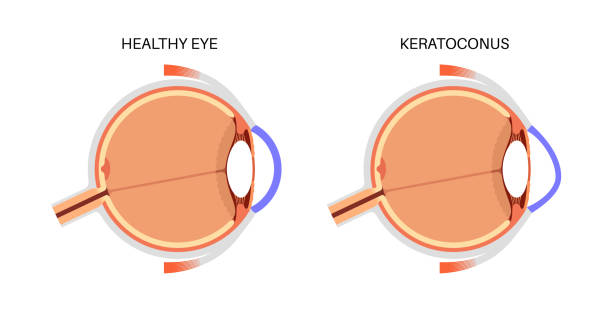
Keratoconus is a progressive disease that causes thinning of the cornea leading to distorted vision. It typically emerges during adolescence and can affect one or both eyes over time. Early intervention plays a critical role in managing this condition effectively
- The initial symptoms include blurred or distorted vision that cannot be corrected with standard glasses; increased sensitivity might also occur.
- Diagnosis starts with an optometric evaluation assessing corneal shape through keratometry / topography imaging tests.
- Management strategies may consist of rigid gas permeable contact lenses enabling clearer vision; in more advanced cases cross-linking procedures strengthen corneal structure by enhancing collagen stiffness.
- Regular monitoring throughout treatment ensures timely adjustments according to progression rate.
With proper management plans put into place when signs arise early on—patients often maintain functional eyesight throughout their lives!
GLAUCOMA TREATMENT
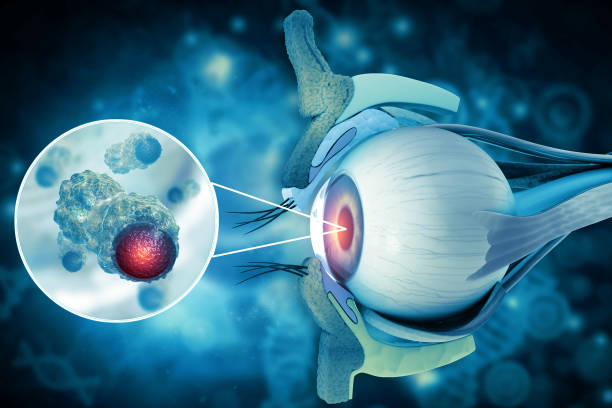
Glaucoma encompasses a group of eye conditions that damage the optic nerve, often due to increased intraocular pressure (IOP). Early detection and management are crucial in preventing irreversible vision loss associated with this condition.
- Main symptoms, especially in advanced stages, may include blind spots or tunnel vision; however, early stages might be asymptomatic.
- A thorough eye exam including tonometry measures IOP levels as part of diagnosis; visual field testing may also be conducted to assess optic nerve function.
- Treatment methods range from medicated eye drops to laser therapy or surgical options aimed at reducing IOP effectively.
- Patients should adhere strictly to prescribed treatments as glaucoma requires lifelong management to protect eyesight from progressive damage.
PUNCTAL PLUGS INSERTION
Punctal plugs are small devices inserted into the tear ducts to help retain moisture on the surface of the eyes. This treatment is particularly beneficial for individuals suffering from dry eye syndrome or chronic tear deficiency.
- Dry eyes may present symptoms such as irritation, redness, or excessive tearing due to reflex tears.
- The diagnosis usually includes evaluating tear production through tests like Schirmer's test or tear breakup time assessment.
- Punctal plugs are available in various materials and sizes; they can be temporary or permanent based on patient needs and preferences.
- The insertion process is quick and often performed in-office without anesthesia; it requires minimal downtime afterward.
- Follow-up visits can help evaluate effectiveness and determine if adjustments are needed for comfort or efficacy.
This procedure enhances comfort for patients struggling with dry eyes by reducing evaporation of natural tears effectively.
CATARACT SURGERY
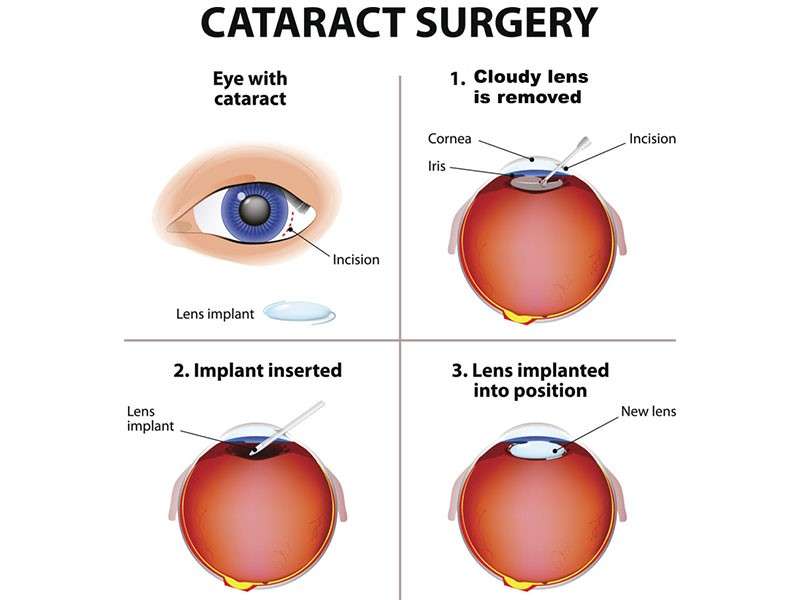
Cataract surgery is a highly successful procedure aimed at removing cloudy lenses from the eyes, which can significantly impair vision. The surgery involves replacing the cloudy lens with an artificial intraocular lens (IOL).
- The main symptoms of cataracts include blurred vision and increased sensitivity to glare.
- A comprehensive eye examination, including pupil dilation and imaging tests, helps in diagnosing cataracts effectively.
- Surgical options generally involve phacoemulsification, which is minimally invasive and performed under local anesthesia.
- Patients can expect a quick recovery time; many report improved vision within days of the procedure.
- Regular post-operative check-ups are essential to ensure proper healing and assess lens placement.
Cataract surgery is one of the most frequently performed surgical procedures globally and often restores clear vision efficiently.
LASER EYE SURGERY
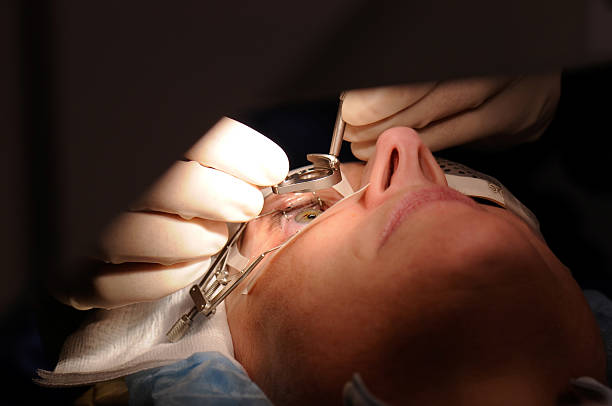
Laser eye surgery is a common procedure designed to correct visual impairments, such as myopia, hyperopia, and astigmatism. This treatment utilizes advanced laser technology to reshape the cornea, allowing light to properly focus on the retina.
- Symptoms may include blurred vision or difficulty seeing at distances and near.
- Diagnosis typically involves a comprehensive eye exam, including measuring visual acuity and assessing corneal thickness.
- Treatment options can vary but often include LASIK or PRK, depending on individual eye conditions.
- Post-operative care includes follow-up visits to monitor healing and ensure optimal results.
- Most patients experience improved vision shortly after the procedure, with minimal discomfort reported.
This procedure has revolutionized vision correction by providing a quick and effective way to enhance sight without the need for glasses or contact lenses.