
Dr Virendra Lase
About Me
Dr Virendra Lase
DO
Ophthalmologist
Biography
My Clinic
OPD Hours
| Monday | Morning | 10:00 AM | - | 02:00 PM |
| Evening | 06:00 PM | - | 09:00 PM | |
| Tuesday | Morning | 10:00 AM | - | 02:00 PM |
| Evening | 06:00 PM | - | 09:00 PM | |
| Wednesday | Morning | 10:00 AM | - | 02:00 PM |
| Evening | 06:00 PM | - | 09:00 PM | |
| Thursday | Morning | 10:00 AM | - | 02:00 PM |
| Evening | 06:00 PM | - | 09:00 PM | |
| Friday | Morning | 10:00 AM | - | 02:00 PM |
| Evening | 06:00 PM | - | 09:00 PM | |
| Saturday | Morning | 10:00 AM | - | 02:00 PM |
| Evening | 06:00 PM | - | 09:00 PM | |
| Sunday | Morning | 10:00 AM | - | 02:00 PM |
| Evening | 06:00 PM | - | 09:00 PM |
Treatments
Specialised care and treatments offered
RETINAL DETACHMENT
This serious condition happens when the retina separates from its underlying supportive tissue; it requires immediate medical attention. Various factors such as extreme nearsightedness (myopia), trauma to the eye, or prior retinal surgery can contribute to this risk situation damaging sight rapidly if untreated.
- Main symptoms can involve sudden flashes of light, floating spots in your field of view, or a shadow appearing across your peripheral sight area indicating possible detachment signs.
- A dilated eye exam allows for quick identification through direct observation of retinal positioning and integrity during evaluation by an ophthalmologist specializing in these conditions;
DRY EYE SYNDROME
This condition occurs when tears are insufficiently produced or evaporate too quickly from the surface of the eyes, causing discomfort. Symptoms may be exacerbated by prolonged screen time or environmental factors such as wind or smoke. Managing dry eyes is essential for maintaining comfort during daily activities.
- Main symptoms include dryness, burning sensation, redness, or even excess tearing as a reflex response to irritation.
- A comprehensive eye examination will assess tear production levels using specialized tests such as tear break-up time measurement.
- Treatment options include artificial tears, punctal plugs that block drainage ducts, or anti-inflammatory medications aimed at promoting tear stability in affected patients.
If left unmanaged, dry eyes could significantly impact quality of life; thus timely intervention is recommended for symptomatic relief and improved ocular health.
AGE-RELATED MACULAR DEGENERATION (AMD)
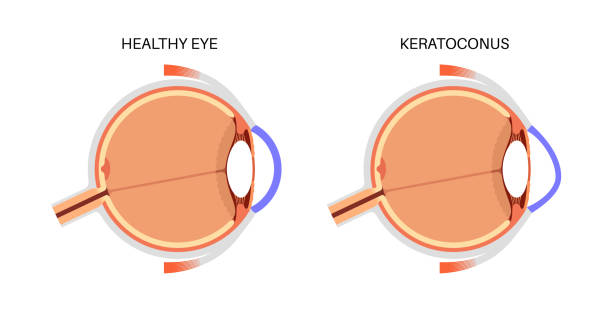
This progressive condition affects the central part of the retina known as the macula. AMD leads to loss of central vision while peripheral vision remains intact. It primarily impacts older adults, making regular screenings important as early intervention can help manage symptoms effectively.
- The main symptoms include blurred central vision and difficulty recognizing faces or reading fine print.
- A careful assessment by an ophthalmologist helps diagnose AMD through visual acuity tests and imaging studies such as optical coherence tomography (OCT).
- Treatment options range from lifestyle modifications to nutritional supplementation; advanced cases may require injections into the eye or laser therapy.
Mild cases can benefit from monitoring while severe cases warrant immediate action to prevent further deterioration of eyesight.
DIABETIC RETINOPATHY
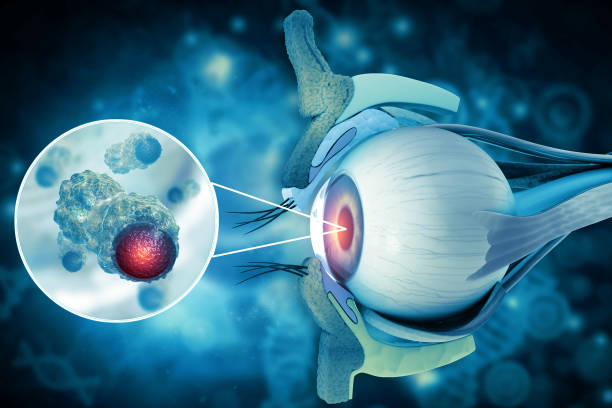
This condition occurs when high blood sugar levels damage blood vessels in the retina. It’s a common complication among people with diabetes and can lead to significant visual impairment if left untreated. Awareness and management of diabetes play crucial roles in prevention.
- Signs may include blurred vision, floaters in your eyesight, or sudden changes in vision quality.
- A thorough eye examination can identify early changes in the retina associated with diabetic retinopathy.
- Treatment may include laser therapy or injections that help protect retinal health by treating abnormal blood vessels or swelling.
- Maintaining good control over blood sugar levels is essential for reducing progression risks associated with this condition.
Prompt evaluation by an ophthalmologist is crucial for those diagnosed with diabetes to mitigate potential complications related to their eyesight.
GLAUCOMA
This condition affects the optic nerve and is often associated with increased intraocular pressure. Glaucoma can lead to irreversible vision loss if not managed properly. While it commonly occurs in older adults, other factors including family history and certain medical conditions can increase risk.
- Common symptoms include a gradual loss of peripheral vision and tunnel vision.
- A diagnosis is generally confirmed through a combination of eye pressure measurement, visual field testing, and optic nerve evaluation.
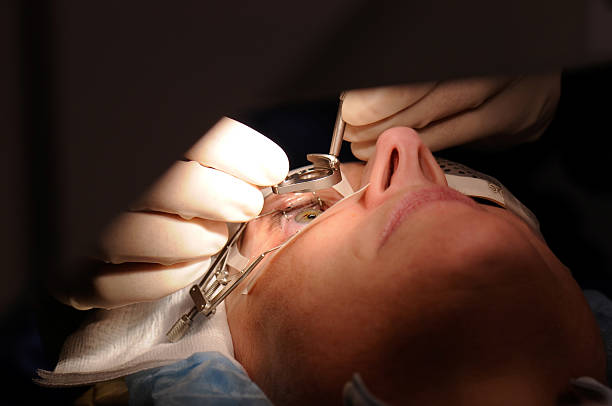
- Treatment options include medications like eye drops, laser treatments, or surgical procedures aimed at lowering intraocular pressure.
- With proper management, individuals can maintain their sight effectively over time.
Regular screening is vital for early detection and managing this silent threat to vision.
CATARACTS
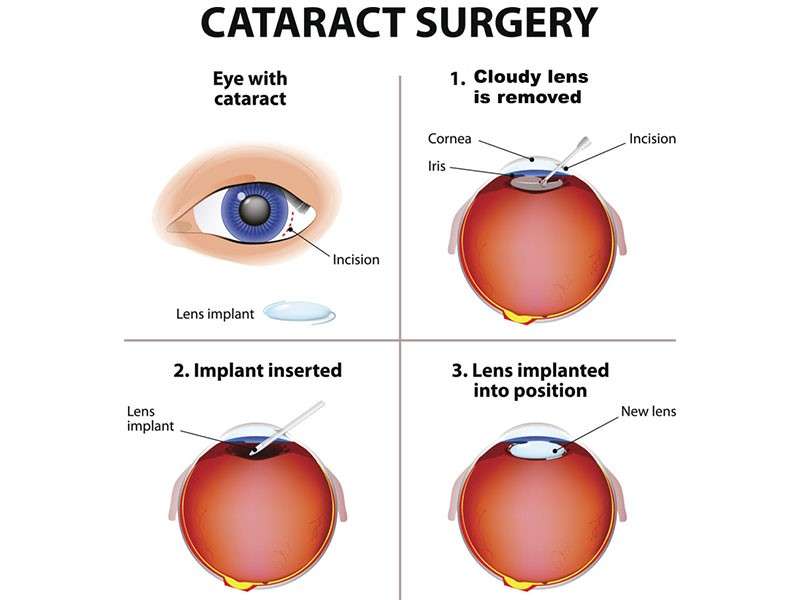
Cataracts are a common eye condition characterized by the clouding of the lens, which can lead to blurred vision and increased difficulty in seeing at night. This degenerative change is often age-related but can also occur due to factors such as diabetes, prolonged use of corticosteroids, or previous eye injuries.
- Symptoms include cloudy or blurry vision, difficulty with night vision, and seeing halos around lights.
- The diagnosis is typically performed through a comprehensive eye exam that includes vision tests and examination of the lens for any signs of clouding.
- Management options may range from prescription glasses to surgical intervention when symptoms interfere significantly with daily activities.
- The surgical procedure involves replacing the cloudy lens with an artificial one, generally leading to improved vision.
Early detection and appropriate treatment can help maintain visual clarity and improve overall quality of life.