
Dr Virendra Laser
About Me
Dr Virendra Laser
MBBS
General Physician
10 Years Experience
Biography
My Clinic
OPD Hours
| Monday | Morning | 10:00 AM | - | 02:00 PM |
| Evening | 06:00 PM | - | 09:00 PM | |
| Tuesday | Morning | 10:00 AM | - | 02:00 PM |
| Evening | 06:00 PM | - | 09:00 PM | |
| Wednesday | Morning | 10:00 AM | - | 02:00 PM |
| Evening | 06:00 PM | - | 09:00 PM | |
| Thursday | Morning | 10:00 AM | - | 02:00 PM |
| Evening | 06:00 PM | - | 09:00 PM | |
| Friday | Morning | 10:00 AM | - | 02:00 PM |
| Evening | 06:00 PM | - | 09:00 PM | |
| Saturday | Morning | 10:00 AM | - | 02:00 PM |
| Evening | 06:00 PM | - | 09:00 PM | |
| Sunday | Morning | 10:00 AM | - | 02:00 PM |
| Evening | 06:00 PM | - | 09:00 PM |
Treatments
Specialised care and treatments offered
ALLERGY TESTING
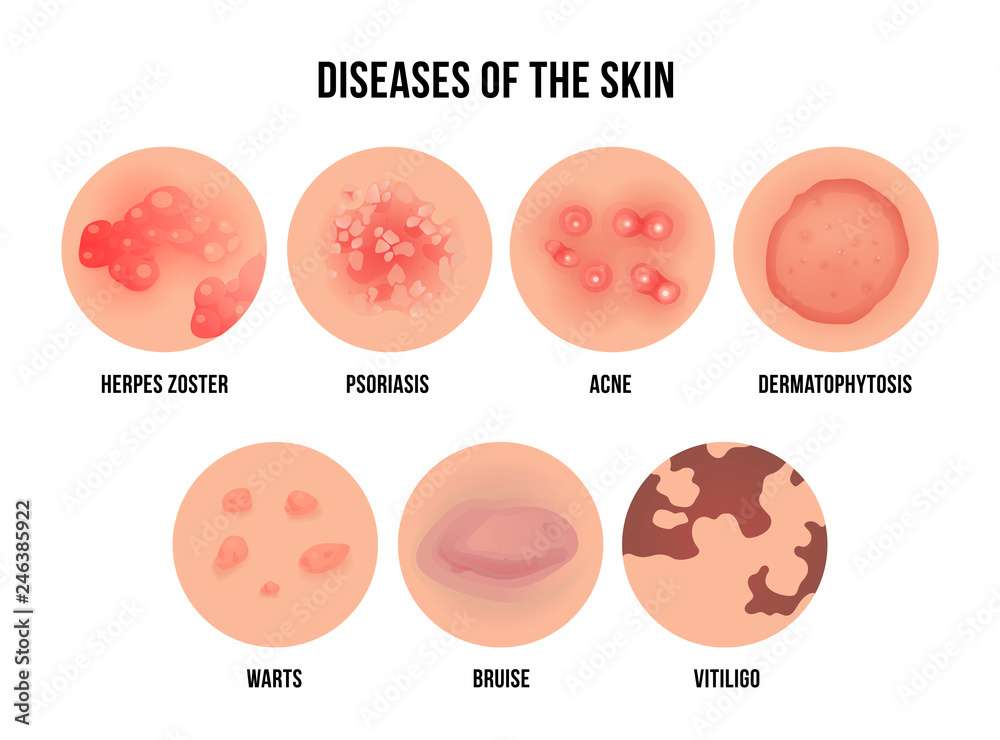
An increasing number of individuals experience allergic reactions that can range from mild irritations to severe anaphylactic responses. Allergy testing plays an essential role in identifying specific triggers so that patients can take appropriate measures for management and avoidance strategies thereafter!
- Symptoms & Triggers: Common signs include sneezing/itchy eyes/hives after exposure; allergens may stem from pollen/dust mites/pets/foods affecting different systems within our bodies; < br />
- Diagnostic Methods: Skin prick tests/blood assays help determine sensitivity by measuring IgE antibodies consistent with specific allergens determined per patient’s history; < br />
- Treatment Options: Based upon findings results; recommendations might involve avoidance practices coupled together anti-histamines allergy shots alongside inhalers depending severity detected post-testing;
Seeking prompt evaluation empowers patients towards better understanding their own unique reactions while equipping them tools navigate daily lives more confidently!
ROUTINE HEALTH CHECK-UPS

A routine health check-up serves as a preventive measure to identify potential health issues before they progress into more serious conditions. Regular visits support overall wellness beyond just treating illnesses as they arise.
- Purpose & Benefits:This proactive approach allows early detection of concerns such as hypertension or elevated glucose levels that might otherwise go unnoticed until significant damage occurs;
- Frequency Of Visits: Typically recommended annually unless otherwise directed by your healthcare provider based on individual needs; < br />
- Components Of An Exam: Standard checks include physical examinations alongside discussions about lifestyle factors impacting well-being; lab tests may also be performed periodically where indicated; < br />
- Tailored Guidance: Engaging with patients personally means individualized advice on nutrition choices/screenings tailored specifically toward maintaining optimal health trajectories;
Making these appointments part of one’s routine fosters accountability toward achieving healthier living habits overall!
PREVENTIVE VACCINATIONS
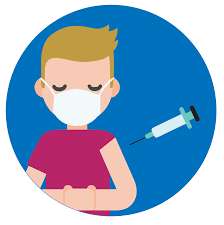
Vaccinations play an essential role in preventing infectious diseases that can become severe without immunization. They help strengthen the immune response against various pathogens.
- The Importance of Vaccines: Vaccines protect against diseases such as influenza, pneumonia, hepatitis B, and more. They create immunity without causing illness in most cases.
- Scheduling Recommendations: Adults should consult their healthcare providers regarding which vaccines they need based on age and health history. Seasonal vaccines like the flu shot are particularly important each year.
- Safety Considerations: Vaccines undergo rigorous testing for safety before being approved for public use; common side effects are usually mild compared to the potential severity of vaccine-preventable diseases.
The completion of recommended vaccinations contributes significantly to both personal health and community immunity—ensuring fewer outbreaks occur within populations.
CHOLESTEROL MANAGEMENT
Elevated cholesterol levels are linked to an increased risk of heart disease. Regular assessment is key in identifying those at risk before problems arise.
- Understanding Cholesterol: Cholesterol is a waxy substance found in your blood; while your body needs some cholesterol to build healthy cells, too much can lead to plaque buildup in the arteries.
- Disease Connection: High cholesterol often has no clear symptoms but can provoke conditions such as coronary artery disease or stroke if left unaddressed.
- Screens & Tests: A lipid panel test helps determine cholesterol levels in the bloodstream. This should be done regularly based on individual risk factors.
- Treatment & Lifestyle Changes: Lifestyle modifications including dietary changes (increasing fiber), exercising regularly, and quitting smoking can improve cholesterol levels significantly. Medication may also be prescribed when lifestyle changes aren't enough.
A proactive approach helps maintain heart health by managing cholesterol effectively through monitoring and lifestyle adaptations.
DIABETES SCREENING

Diabetes is a chronic condition that affects how your body processes glucose (sugar). Early detection through screening is crucial for effective management and preventing complications.
- Symptoms and Risk Factors: Common symptoms include excessive thirst, frequent urination, extreme fatigue, and blurred vision. Risk factors comprise family history, obesity, sedentary lifestyle, and age over 45.
- Screening Methods: Routine screenings involve fasting blood sugar tests or HbA1c tests to assess average blood sugar levels over time.
- Treatment Approaches: If diagnosed with diabetes, treatment options may encompass dietary changes, regular exercise routines, medication management, or insulin therapy depending on the type of diabetes.
- The Importance of Monitoring: Regular follow-ups ensure that blood sugar levels are managed effectively and minimize the risk of long-term complications such as neuropathy or cardiovascular diseases.
If you have any risk factors for diabetes, consider scheduling a screening appointment to stay proactive about your health.
HYPERTENSION MANAGEMENT
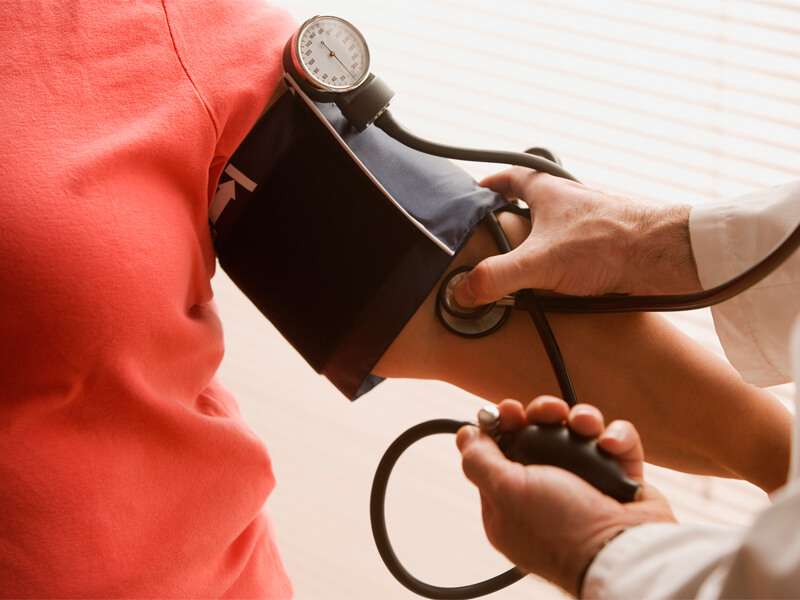
Hypertension, commonly known as high blood pressure, is a prevalent condition that can lead to serious health complications if left untreated. It often develops over many years and may go unnoticed because it usually does not present symptoms.
- Symptoms and Causes: Most individuals with hypertension do not experience noticeable symptoms, but some may suffer from headaches, dizziness, or nosebleeds. Key causes include obesity, high salt intake, lack of physical activity, and genetic factors.
- Diagnosis: A healthcare provider typically diagnoses hypertension through regular blood pressure readings taken during routine check-ups.
- Treatment Options: Management may include lifestyle changes such as diet modifications and increased exercise, alongside medications if necessary to control blood pressure levels.
- What to Expect: With proper management, individuals can maintain healthy blood pressure levels and significantly reduce their risk of complications like heart disease or stroke.
Regular monitoring and consultation with a healthcare provider are essential for effective management of this condition.