
Dr Virendra Vikram Singh
About Me
Dr Virendra Vikram Singh
BDS
Dentist
10 Years Experience
Biography
My Clinic
OPD Hours
| Monday | Morning | 10:00 AM | - | 02:00 PM |
| Evening | 06:00 PM | - | 09:00 PM | |
| Tuesday | Morning | 10:00 AM | - | 02:00 PM |
| Evening | 06:00 PM | - | 09:00 PM | |
| Wednesday | Morning | 10:00 AM | - | 02:00 PM |
| Evening | 06:00 PM | - | 09:00 PM | |
| Thursday | Morning | 10:00 AM | - | 02:00 PM |
| Evening | 06:00 PM | - | 09:00 PM | |
| Friday | Morning | 10:00 AM | - | 02:00 PM |
| Evening | 06:00 PM | - | 09:00 PM | |
| Saturday | Morning | 10:00 AM | - | 02:00 PM |
| Evening | 06:00 PM | - | 09:00 PM | |
| Sunday | Morning | 10:00 AM | - | 02:00 PM |
| Evening | 06:00 PM | - | 09:00 PM |
Treatments
Specialised care and treatments offered
MAXILLOFACIAL SURGERY
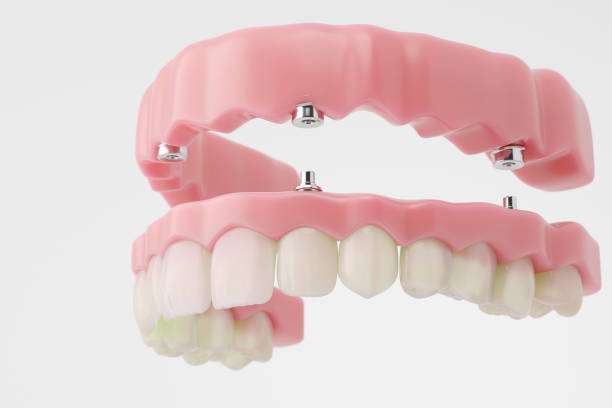
This specialized field addresses complex conditions related specifically surrounding jawbones/facial structures whether caused by trauma/congenital deformities necessitating surgical correction methods effectively implemented under local/general anesthesia depending upon cases
COSMETIC DENTISTRY PROCEDURES
The focus here is enhancing smile appearance through various procedures including whitening, veneers or bonding aimed at treating imperfections like discoloration or gaps among others!
ORTHODONTIC TREATMENT
This process involves correcting misaligned teeth using braces or clear aligners to enhance both function and aesthetics. Proper alignment contributes significantly to oral health.
- Causative Factors: Misalignment may stem from genetic factors, early loss of milk teeth, thumb sucking habits, etc.
- Symptoms As Indicators: Crowded teeth may cause difficulty in cleaning leading to cavities; overbites may affect chewing function and aesthetics adversely.
- A Diagnostic Approach:The evaluation employs dental examinations along with X-ray imaging to determine alignment issues accurately
This transformative journey not only improves smiles but encourages better oral hygiene practices through ease of cleaning aligned teeth!
PERIODONTAL SURGERY
If non-surgical treatments fail to control periodontal disease, surgical intervention might be necessary to restore gum health. This can improve attachment levels of gums to teeth.
- Causes: Periodontal disease results from plaque accumulation leading to inflammation of gums.
- Symptoms: Symptoms include swollen gums that bleed easily, persistent bad breath, and receding gums which expose roots of teeth.
- Diagnosis: Clinical evaluations assess pocket depths around teeth; radiographs are required for assessing bone loss.
- Treatment Options: Types of surgeries include flap surgery that reduces gum pockets or regenerative procedures aimed at rebuilding lost bone or tissue support around teeth.
This approach helps maintain oral hygiene and can prevent further complications such as tooth mobility or loss
ROOT CANAL THERAPY
This procedure is often necessary when the pulp of a tooth becomes inflamed or infected. It saves the tooth from extraction by removing damaged tissue and sealing it effectively.
- Symptoms: Patients may experience severe toothache, prolonged sensitivity to hot or cold, discoloration of the tooth, or swelling.
- Diagnosis: A thorough examination alongside X-rays helps identify infections within the pulp chamber.
- Treatment/Management: The dentist removes the infected pulp, cleans the interior of the tooth, and fills it with biocompatible material before sealing it to prevent further infection.
- What to Expect: Post-treatment tenderness is normal; however, patients usually resume normal activities shortly after with proper pain management strategies in place.
This effective intervention preserves natural teeth while alleviating discomfort associated with pulp damage.
DENTAL IMPLANTS
Dental implants are a popular solution for those who have lost one or more teeth. They provide a permanent and natural-looking replacement that functions like a healthy tooth.
- Causes: Tooth loss can result from injury, periodontal disease, or decay.
- Symptoms: Missing teeth can lead to discomfort, difficulty in chewing, and changes in facial structure.
- Diagnosis: A comprehensive dental examination and imaging studies are essential to assess bone density and determine the suitability of implants.
- Treatment: The procedure involves placing a titanium post into the jawbone, which acts as a root for the new tooth. After healing, an abutment and crown are fitted.
- Expectations: Patients can anticipate improved functionality, aesthetics, and oral health. Recovery time varies but typically includes several months for complete integration with the bone.
This advanced treatment not only restores smiles but also boosts confidence and overall wellbeing.