
Dr Vishal Agrawal
About Me
Dr Vishal Agrawal
Ophthalmologist
Biography
My Clinic
OPD Hours
| Monday | Morning | 10:00 AM | - | 02:00 PM |
| Evening | 06:00 PM | - | 09:00 PM | |
| Tuesday | Morning | 10:00 AM | - | 02:00 PM |
| Evening | 06:00 PM | - | 09:00 PM | |
| Wednesday | Morning | 10:00 AM | - | 02:00 PM |
| Evening | 06:00 PM | - | 09:00 PM | |
| Thursday | Morning | 10:00 AM | - | 02:00 PM |
| Evening | 06:00 PM | - | 09:00 PM | |
| Friday | Morning | 10:00 AM | - | 02:00 PM |
| Evening | 06:00 PM | - | 09:00 PM | |
| Saturday | Morning | 10:00 AM | - | 02:00 PM |
| Evening | 06:00 PM | - | 09:00 PM | |
| Sunday | Morning | 10:00 AM | - | 02:00 PM |
| Evening | 06:00 PM | - | 09:00 PM |
Treatments
Specialised care and treatments offered
DIABETIC RETINOPATHY TREATMENT
Diabetic retinopathy is a significant cause of blindness among individuals with diabetes; it affects blood vessels in the retina due to prolonged high blood sugar levels. Timely recognition plays an integral role in safeguarding patient eyesight effectively!
- Symptoms might include blurred vision or patches obscuring sight alongside difficulty perceiving colors accurately.
- Diagnosis involves comprehensive dilated examinations where an ophthalmologist assesses retinal health closely while performing imaging diagnostics if needed.
- Treatment encompasses several approaches ranging from photocoagulation (laser therapy) which reduces leakage from unhealthy blood vessels up through vitrectomy procedures aimed at addressing severe cases affecting visual acuity directly.
- Continuous monitoring remains crucial since diabetic retinopathy progression correlates tightly with substantial lifestyle modifications focusing on managing glucose levels effectively.
Individuals diagnosed should consult specialists routinely while being proactive about maintaining overall wellness habits!
KERATOCONUS MANAGEMENT
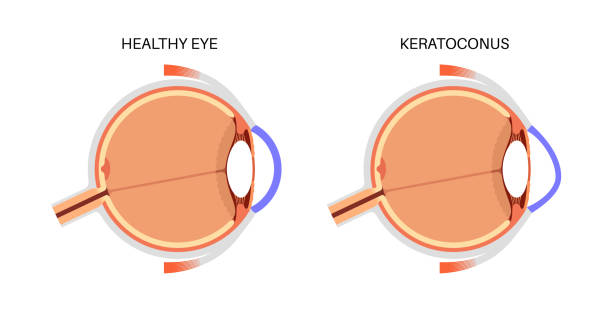
Keratoconus is a progressive disorder that affects the cornea's shape, leading it to become thin and conical instead of round. This alteration can cause significant changes in eyesight over time. Identifying early signs of this condition aids prompt intervention remarkably well.
- Symptoms may include blurred vision that gradually worsens, increased sensitivity to light, and frequent changes in prescription glasses or contact lenses.
- Diagnosis typically involves detailed ocular assessments including corneal mapping via topography.
- Management options vary from specialty contact lenses fitted for discomfort relief to surgical interventions like collagen cross-linking which aims at stabilizing the corneal structure.
- Regular eye examinations remain vital as they help track progression or any adaptations needed along one's treatment path.
Consultations during early-stage keratoconus could pave ways for successful visual outcomes!
RETINAL DETACHMENT REPAIR
A retinal detachment occurs when the retina separates from its underlying layer of support tissue. This can lead to permanent vision loss if not treated promptly. Recognizing symptoms applies directly towards swift management of this serious condition.
GLAUCOMA TREATMENT
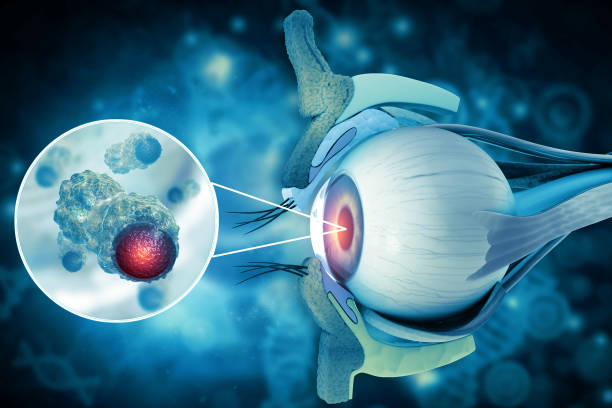
Glaucoma refers to a group of diseases resulting in increased intraocular pressure, which can damage the optic nerve leading to vision loss. Early detection and treatment are crucial for preserving sight.
- The primary symptoms may not be noticeable initially but can include peripheral vision loss over time.
- Dilated eye exams are vital for early diagnosis, allowing assessment of optic nerve health.
- Treatment may involve prescribed eye drops, oral medications, or more advanced procedures like laser therapy aimed at decreasing eye pressure.
- Persistent management is essential; regular monitoring helps in adjusting treatment as necessary over time.
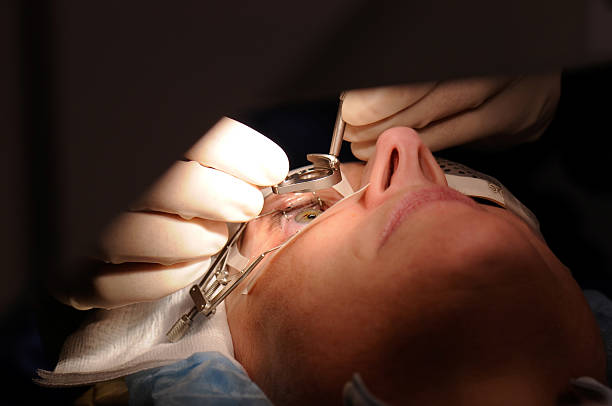
LASIK EYE SURGERY
LASIK is a popular laser eye surgery designed to correct refractive vision problems such as myopia, hyperopia, and astigmatism. It reshapes the cornea to allow light entering the eye to be properly focused onto the retina.
- The typical symptoms requiring LASIK include blurry vision even with corrective lenses.
- A thorough evaluation that includes measuring corneal thickness and mapping is essential for diagnosis.
- The procedure involves using a laser to create a flap in the cornea before reshaping it; recovery time is usually minimal.
- Post-operative care involves follow-up visits to ensure healing is progressing as expected.
This advanced procedure offers many patients freedom from glasses or contact lenses.
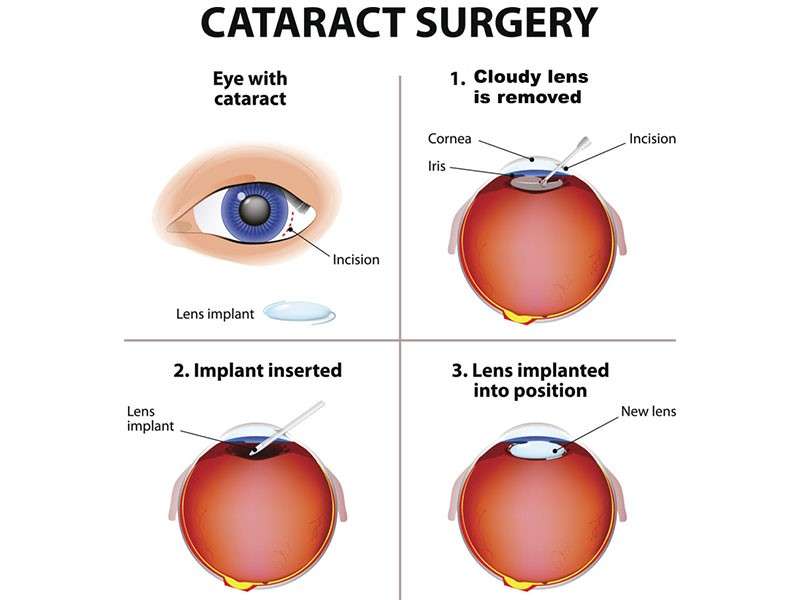
CATARACT SURGERY
Cataracts are a common eye condition that occurs when the lens of the eye becomes cloudy, impairing vision. They often develop slowly and can lead to difficulties in seeing clearly. Understanding this condition is vital for maintaining quality of life.
- Symptoms may include blurred vision, halos around lights, or difficulty with night vision.
- Diagnosis typically involves a comprehensive eye exam, including visual acuity tests and retinal examination.
- Treatment usually consists of surgical intervention where the cloudy lens is removed and replaced with an artificial intraocular lens.
- Patients can expect a quick recovery, with many experiencing improved vision within days post-surgery.
If you suspect you have cataracts, consult an ophthalmologist to discuss your treatment options.