
Dr Vishal chopra
About Me
Dr Vishal chopra
MBBS
Podiatrist
10 Years Experience
Biography
My Clinic
OPD Hours
| Monday | Morning | 10:00 AM | - | 02:00 PM |
| Evening | 06:00 PM | - | 09:00 PM | |
| Tuesday | Morning | 10:00 AM | - | 02:00 PM |
| Evening | 06:00 PM | - | 09:00 PM | |
| Wednesday | Morning | 10:00 AM | - | 02:00 PM |
| Evening | 06:00 PM | - | 09:00 PM | |
| Thursday | Morning | 10:00 AM | - | 02:00 PM |
| Evening | 06:00 PM | - | 09:00 PM | |
| Friday | Morning | 10:00 AM | - | 02:00 PM |
| Evening | 06:00 PM | - | 09:00 PM | |
| Saturday | Morning | 10:00 AM | - | 02:00 PM |
| Evening | 06:00 PM | - | 09:00 PM | |
| Sunday | Morning | 10:00 AM | - | 02:00 PM |
| Evening | 06:00 PM | - | 09:00 PM |
Treatments
Specialised care and treatments offered
FLATFOOT RECONSTRUCTION SURGERY
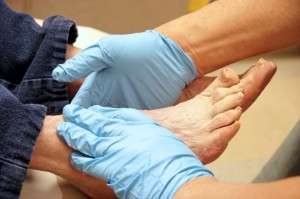
An acquired flatfoot deformity develops when tendons supporting the arch weaken leading to collapse. Complex reconstructive surgery restores arch functionality improving gait mechanics substantially in severe cases unresponsive to conservative care.
- Pathophysiology & symptoms: Painful arch flattening accompanied by ankle instability due primarily to posterior tibial tendon dysfunction.
- Diagnostic tools: Combination of physical examination plus advanced imaging including weight-bearing X-rays inform surgical planning. Surgical techniques: Procedures might involve tendon transfers, osteotomies (bone cuts), arthrodesis (joint fusion) tailored individually.
- Patient expectations postop: Initial immobilization followed by structured rehabilitation focussed on rebuilding strength balance around affected joints.
This complex intervention demands a skilled approach but results in significant improvement regarding pain reduction functional mobility recovery long term benefits overall quality of life improvements.
NEUROMA EXCISION
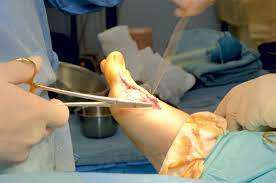
A neuroma is a benign nerve enlargement commonly occurring between the toes causing sharp pain or numbness. Surgical excision removes the problematic nerve segment providing symptom relief when other treatments don't suffice.
- Symptoms & Causes: Burning sensations, tingling or shooting pain in forefoot frequently triggered by pressure such as tight shoes.
- Diagnostic procedures: Thorough clinical assessment supplemented by diagnostic ultrasound aids precise localization.
- Surgical management: The nerve portion causing irritation is carefully removed preserving surrounding tissues.
- Postoperative care: Includes wound healing monitoring plus gradual resumption of normal footwear avoiding excessive pressure points.
Neuroma excision offers durable relief improving patients’ quality of life through targeted intervention addressing nerve entrapment specifically.
HAMMER TOE CORRECTION SURGERY
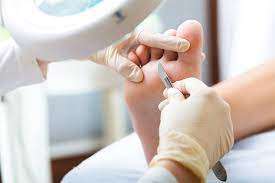
A hammer toe deformity results in an abnormal bend in one or more toe joints, leading to discomfort while walking. Corrective surgery repositions affected toes for improved alignment and comfort.
- Description/causes: This condition is often caused by muscle imbalance, tight footwear, or injury affecting toes' natural position causing contracture formation.
- Diagnosis process: Physical examination evaluates joint stiffness along with X-rays determining bone involvement severity.
- Surgical methods: Procedures may include tendon lengthening, joint fusion, or bone resection tailored per individual needs.
- Treatment expectations: Postoperative care involves immobilization with gradual rehabilitation emphasizing toe flexibility restoration as tolerated by the patient’s comfort level.
PLANTAR FASCIITIS SURGERY
Chronic plantar fasciitis occurs when the thick band of tissue supporting the arch becomes inflamed and painful. When non-surgical methods fail, surgery is an option for lasting relief.
- Causes and symptoms: Heel pain worsens in the morning or after rest; inflammation arises from repetitive strain or poor foot biomechanics.
- Diagnostic measures: Clinical evaluation supported by imaging techniques such as ultrasound rule out other causes of heel pain.
- Surgical treatment: Partial release of the plantar fascia or removal of inflamed tissue alleviates tension on surrounding structures.
- Expected outcome: Pain reduction typically begins gradually post-surgery while gradual return to weight-bearing activities occurs under supervision.
This intervention should be considered only for those with persistent symptoms despite comprehensive conservative care aimed at restoring foot function correctly.
ACHILLES TENDON REPAIR
The Achilles tendon connects calf muscles to the heel bone and can rupture due to injury or overuse. Surgical repair aims to restore tendon continuity and strength for optimal healing.
- Symptoms/causes: Sudden heel pain, difficulty walking or standing on toes; ruptures typically result from sports injuries or trauma.
- Diagnosis: Clinical tests like Thompson’s test along with ultrasound or MRI confirm tendon rupture location and severity.
- Treatment approach: Surgery involves stitching torn tendon ends together under anesthesia for proper tension restoration.
- Recovery process: Immobilization with casting or bracing is essential followed by incremental physiotherapy focusing on flexibility and strength.
A well-performed repair generally provides excellent functional outcomes allowing patients to return to daily activities without limitations over time.
BUNIONECTOMY
Bunions are painful bony bumps that form on the joint at the base of the big toe, often causing discomfort and altering foot mechanics. Surgical removal, known as bunionectomy, is considered when conservative treatments fail to relieve symptoms.
- Symptoms and causes: Patients experience swelling, redness, and pain around the big toe joint; bunions develop due to genetic factors or biomechanical stresses.
- Diagnosis: Physical examination combined with X-rays helps assess bone alignment and deformity extent.
- Treatment options: Surgery involves realigning bones, removing swollen tissue and bony enlargement to restore normal function.
- Postoperative expectations: Patients may need immobilization and gradual weight-bearing; full recovery can take several weeks to months.
- Management: Follow-up includes pain control, physical therapy, and footwear modifications to prevent recurrence.
This procedure significantly improves foot alignment and relieves discomfort, enhancing overall mobility for affected individuals.