
Dr Vishal Chopra
About Me
Dr Vishal Chopra
MBBS
Podiatrist
10 Years Experience
Biography
My Clinic
OPD Hours
| Monday | Morning | 10:00 AM | - | 02:00 PM |
| Evening | 06:00 PM | - | 09:00 PM | |
| Tuesday | Morning | 10:00 AM | - | 02:00 PM |
| Evening | 06:00 PM | - | 09:00 PM | |
| Wednesday | Morning | 10:00 AM | - | 02:00 PM |
| Evening | 06:00 PM | - | 09:00 PM | |
| Thursday | Morning | 10:00 AM | - | 02:00 PM |
| Evening | 06:00 PM | - | 09:00 PM | |
| Friday | Morning | 10:00 AM | - | 02:00 PM |
| Evening | 06:00 PM | - | 09:00 PM | |
| Saturday | Morning | 10:00 AM | - | 02:00 PM |
| Evening | 06:00 PM | - | 09:00 PM | |
| Sunday | Morning | 10:00 AM | - | 02:00 PM |
| Evening | 06:00 PM | - | 09:00 PM |
Treatments
Specialised care and treatments offered
SURGICAL CORRECTION OF HAMMER TOE
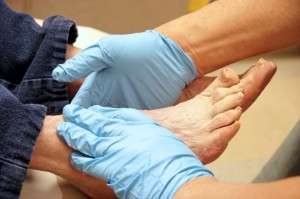
A hammer toe is an abnormal bending deformity affecting one or more toes resulting in discomfort during walking or shoe wear. When conservative measures do not alleviate symptoms adequately surgery becomes necessary for realignment purposes ensuring improved foot biomechanics overall functionality afterward.
- Causal factors : Muscle imbalance from nerve injury , arthritis , improper footwear contribute progressive bending contracture making toes appear claw-like affecting balance stability .
- Differential diagnosis & evaluation : Clinical inspection reveals characteristic curling , radiographs confirm structural changes distinguishing from mallet / claw toes guiding individualized surgical planning .
- Surgical techniques : Various approaches include tendon lengthening , capsulotomy releasing soft tissues alongside osteotomies realigning phalanges correcting fixed deformities .
- Anesthesia & hospitalization : Procedures usually outpatient under local/regional anesthesia minimize perioperative risks enhancing recovery environment .
- Post op rehabilitation consists initial immobilization followed by physiotherapy regaining strength mobility important achieving optimal outcomes avoiding recurrence early detection complications critical also .
Surgical management thus restores normal toe alignment reducing associated discomfort enhancing gait patterns significantly improving patient satisfaction levels posttreatment phase requiring patience compliance rehabilitation processes thoroughly mastered under professional guidance .
PLANTAR FASCIITIS RELEASE SURGERY
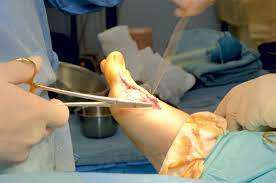
Painful inflammation at the bottom of the heel due to plantar fascia strain sometimes requires surgical treatment if conservative management fails to provide lasting relief. This procedure targets releasing tight fascia tissue tension effectively addressing underlying pathology mechanisms causing discomfort during walking.
- Main symptoms & causes: Daily heel stabbing pains especially in mornings often linked with repetitive microtrauma from standing/walking on hard surfaces or biomechanical abnormalities impacting foot arches negatively contribute development risks here too
HALLUX VALGUS CORRECTION
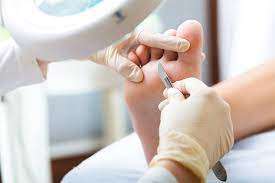
This condition involves lateral deviation of the big toe often accompanied by painful lumps near the joint. Corrective procedures aim to realign affected bones improving both appearance and comfort significantly.
- Causative factors: Hereditary predisposition coupled with prolonged use of narrow shoes increases risk over time leading to progressive deformity.
- Eliciting diagnosis: Clinical exam supported by weight-bearing X-rays detail misalignment degree influencing surgical planning decisions.
- Surgical approaches: Osteotomy (cutting bone) techniques reposition metatarsal bones; soft tissue balancing ensures stability post correction.
- Status after surgery: Immobilization using casts/shoes combined with physiotherapy promotes healing while restoring normal gait mechanics gradually across several weeks/months.
Taking corrective action improves quality of life dramatically by relieving pain caused when this common foot deformity interferes with daily activities or footwear fit issues arise repeatedly over time.
ANKLE ARTHROSCOPY
Ankle arthroscopy is a minimally invasive procedure used to diagnose and treat various ankle joint problems causing pain and limited mobility. It allows direct visualization inside the joint with minimal tissue disruption.
- When it's needed: Conditions such as loose bodies, cartilage damage, impingement syndromes, or ligament injuries may necessitate arthroscopy after clinical evaluation.
- Procedure overview: Small incisions allow insertion of a camera and instruments enabling precise treatment including debridement or repair within the ankle joint.
- Benefits compared to open surgery: Reduced scarring, decreased postoperative pain, shorter hospital stay, faster return to activities are common advantages.
- Recovery process: Early mobilization under guidance helps maintain range of motion; rehabilitation exercises support functional restoration within weeks.
This advanced technique offers effective symptom relief while preserving joint integrity using state-of-the-art visual tools for targeted treatment inside the ankle joint.
ACHILLES TENDON REPAIR
The Achilles tendon connects your calf muscles to your heel bone and enables walking, running, and jumping. Injuries such as ruptures require prompt attention to restore mobility effectively.
- Signs and causes: A sudden sharp pain at the back of the ankle accompanied by swelling or difficulty bearing weight may indicate a rupture caused by sports or trauma.
- Diagnostic methods: Clinical tests like Thompson test along with ultrasound or MRI help assess tear extent.
- Surgical repair techniques: Surgical intervention involves suturing torn tendon ends; minimally invasive methods can promote faster healing with less scarring.
- Postoperative care: Immobilization followed by physical therapy is essential for regaining strength and flexibility gradually over several months.
Tendon repair surgery aims to restore full function while minimizing complications like re-rupture or stiffness for optimal recovery.
BUNIONECTOMY SURGERY
Bunions are bony bumps that develop on the joint at the base of the big toe, causing discomfort and deformity. When conservative treatments fail, surgical intervention can help restore foot alignment and relieve pain.
- Symptoms and causes: Bunions often present as a protrusion on the side of the big toe with redness, swelling, and difficulty wearing shoes. They may result from genetic factors, ill-fitting footwear, or arthritis.
- Diagnosis: Physical examination combined with weight-bearing X-rays confirms the severity and guides treatment planning.
- Treatment options: Surgery involves removing the bony bump, realigning bones, ligaments, tendons, and nerves to correct deformity and alleviate pressure.
- Recovery expectations: Post-surgery recovery includes immobilization in a special shoe or boot, pain management, and gradual return to activities over several weeks.
If non-surgical measures have not provided relief, bunionectomy surgery offers a long-term solution to reduce pain and improve foot function while preventing further deformity.