
Dr Vishal Chugh
About Me
Dr Vishal Chugh
Dermatologist
Biography
My Clinic
OPD Hours
| Monday | Morning | 10:00 AM | - | 02:00 PM |
| Evening | 06:00 PM | - | 09:00 PM | |
| Tuesday | Morning | 10:00 AM | - | 02:00 PM |
| Evening | 06:00 PM | - | 09:00 PM | |
| Wednesday | Morning | 10:00 AM | - | 02:00 PM |
| Evening | 06:00 PM | - | 09:00 PM | |
| Thursday | Morning | 10:00 AM | - | 02:00 PM |
| Evening | 06:00 PM | - | 09:00 PM | |
| Friday | Morning | 10:00 AM | - | 02:00 PM |
| Evening | 06:00 PM | - | 09:00 PM | |
| Saturday | Morning | 10:00 AM | - | 02:00 PM |
| Evening | 06:00 PM | - | 09:00 PM | |
| Sunday | Morning | 10:00 AM | - | 02:00 PM |
| Evening | 06:00 PM | - | 09:00 PM |
Treatments
Specialised care and treatments offered
HYPERPIGMENTATION
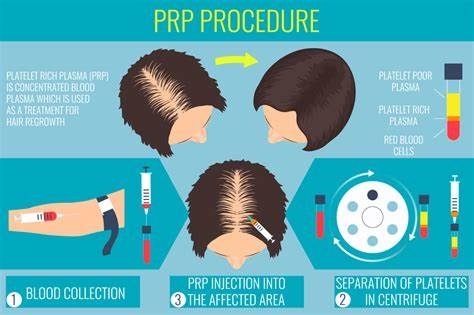
Hyperpigmentation refers to darkened patches on the skin resulting from excess melanin production. This condition can affect any area but is most noticeable on sun-exposed regions such as your face or hands.
- Main aspects covering essential information worth understanding surrounding this prevalent issue follow below:
- Symptoms:Dark spots ranging from light brown tones appearing irregularly grouped often lead concerns among individuals seeking clarity thereof affects aesthetics greatly!!
- Causes:Genetic predispositions combined additional triggers such as sun exposure causing inflammatory responses previous injuries worsening complexity situations prevailing whenever superficial tissues compromised fluctuations contribute towards considerable concerns negative aesthetic viewing derived directly discontentment matters largely dominating thought processes!!!!
- Diagnosis:Visual examinations determine classifications engaged defining symptoms existing currently will likely yield satisfactory conclusions ensuring effective methodologies vetted consequent reliant structured applications directed embracing specificities involved entirely helping patients navigate prescribed courses navigated seamlessly!
- Treatment: The choices range widely; address issues arising effectively involve utilizing brightening agents targeting pigments citing hydroquinone solutions achieving substantial aims whilst preventing recurrence via diligent routines embraced routinely whereby necessary adjustments counted early goals tracked minimized experiences gained rely upon professional guidance paramount! < br / >
SKIN AGING
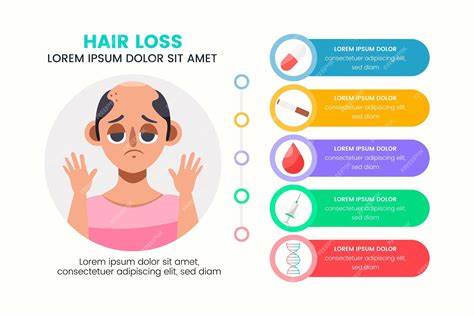
The aging process affects everyone differently yet visibly contributes towards reduced elasticity leading to wrinkles and fine lines predominantly observed across facial regions. Understanding how environmental exposures influence speeds up natural aging could help mitigate effects!
- Symptoms:Early signs commonly encompass sagging areas particularly around eyes/mouth characterized dryness/rough texture caused primarily from prolonged sun exposure coupled alongside smoking habits!!
- Causes:Intrinsic elements play major roles here too—ages combined together form decreasing collagen levels plus slowing cell turnover rates create undesirable appearances frequently seen after 30’s pushing aging effects outwardly further casing stressors emerge impacting personal comfort levels SO cultivating healthy lifestyles strongly advocated towards combating these matters hence priority settings!!
- Diagnosis:Diligent assessments focus upon observing specific changes noted during initial visits followed through targeted consultations exchange yielding indications precise timelines expected observational analysis protocols tailored accordingly!!
- Treatment:Hinting proficient solutions exist emphasizing protecting integumentary tissues alongside implementing hydration techniques utilizing dermal fillers incorporating anti-aging creams promoting vitality enhancements regularly should prove beneficial tractable route chosen wisely!!!
- What To Expect:Results depend highly upon numerous factors affecting overall healing processes concluding well-maintained routines produce significantly better outcomes attributed directly owing efforts exerted truly matched matching regimen formats deployed!!!
Cultivating awareness combined alongside implemented practices evolve continuously ensuring progress achieved ultimately matches desired ends sought consistently maintained throughout these journeys!!
ROSACEA
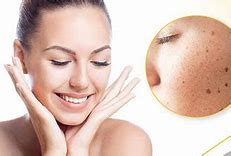
Rosacea is a chronic inflammatory condition that causes redness on the face. Often confused with acne or allergy symptoms, its signature feature includes persistent facial flushing and visible blood vessels.
- Symptoms: Symptoms may include redness across cheeks or nose; small red bumps resembling acne; burning sensations; ocular issues in some cases due to irritation in eyes. Causes:The exact cause remains unclear but genetic factors play a role along with environmental triggers such as sun exposure or spicy foods.
- Diagnosis:An assessment performed by a dermatologist will evaluate visible symptoms during consultation sessions.
- Treatment:The use of topical antibiotics like metronidazole combined with laser therapy have shown promising results in managing flare-ups effectively along with lifestyle adjustments related to skincare routines.
- What To Expect:If untreated; it may worsen over time requiring more intensive treatment methods down the line whereas timely intervention fosters better outcomes
Caring for rosacea involves patience while working closely alongside qualified professionals towards identifying effective solutions addressing individual needs associated directly regarding this challenging ailment!
PSORIASIS
Psoriasis is an autoimmune disorder that leads to the rapid growth of skin cells resulting in scaling on the surface of the skin. It typically appears as red patches covered with thick silvery scales.
- Symptoms: Symptoms often include dry flaky patches of red skin covered with thick silvery scales that may itch or burn.
- Causes: Triggers include stress, infections, certain medications, or environmental factors that aggravate the immune response.
- Diagnosis: Diagnosis usually involves a physical exam where dermatologists assess the appearance of plaques on the body.
- Treatment: Available treatments consist of topical treatments like corticosteroids, phototherapy using UV light exposure techniques, and systemic medications for more severe cases that affect larger areas of the body.
- What to expect: Treatment effectiveness varies between individuals; thus ongoing management strategies are essential for controlling flare-ups.
A well-designed regimen helps manage symptoms and improves overall well-being for those living with psoriasis.
ECZEMA
Eczema is an inflammatory skin condition characterized by itchy and red patches on the skin. It can occur at any age but is most commonly seen in children.
- Symptoms: Common symptoms include dry skin, intense itching, redness, and sometimes oozing lesions.
- Causes: Eczema may be triggered by allergens, irritants such as soaps or detergents, climatic conditions, or stress.
- Diagnosis: Diagnosis is made through clinical evaluation of the affected areas and patient history.
- Treatment: Treatment involves moisturizing creams to restore skin barrier function and topical corticosteroids to manage inflammation. Avoiding triggers plays a significant role in prevention.
- What to expect: While eczema can be managed effectively with the right approach, flare-ups may still occur intermittently.
A comprehensive care routine can significantly improve quality of life for those affected by this condition.
ACNE
Acne is a common skin condition that often affects teenagers but can persist into adulthood. It occurs when hair follicles become clogged with oil and dead skin cells, leading to pimples, blackheads, and sometimes deeper cysts.
- Symptoms: Acne primarily manifests as various types of blemishes on the skin, including whiteheads, blackheads, and inflamed lesions.
- Causes: Factors contributing to acne include hormonal changes, certain medications, stress, and diet.
- Diagnosis: A dermatologist can typically diagnose acne based on a visual examination of the skin.
- Treatment: Management options include topical treatments like retinoids and benzoyl peroxide, oral medications such as antibiotics or hormonal therapies, and lifestyle changes like maintaining a balanced diet.
- What to expect: With appropriate treatment plans, improvement can be seen within weeks; however, complete resolution typically takes time.
Effective management requires patience and adherence to treatment guidelines for lasting results.