
Dr Vishesh Agrawal
About Me
Dr Vishesh Agrawal
Internal Medicine
Biography
My Clinic
OPD Hours
| Tuesday | Morning | 10:00 AM | - | 02:00 PM |
| Evening | 06:00 PM | - | 09:00 PM | |
| Wednesday | Morning | 10:00 AM | - | 02:00 PM |
| Evening | 06:00 PM | - | 09:00 PM | |
| Thursday | Morning | 10:00 AM | - | 02:00 PM |
| Evening | 06:00 PM | - | 09:00 PM | |
| Friday | Morning | 10:00 AM | - | 02:00 PM |
| Evening | 06:00 PM | - | 09:00 PM | |
| Saturday | Morning | 10:00 AM | - | 02:00 PM |
| Evening | 06:00 PM | - | 09:00 PM | |
| Sunday | Morning | 10:00 AM | - | 02:00 PM |
| Evening | 06:00 PM | - | 09:00 PM | |
| Thursday | Morning | 10:00 AM | - | 02:00 PM |
| Evening | 06:00 PM | - | 09:00 PM |
Treatments
Specialised care and treatments offered
HYPERLIPIDEMIA
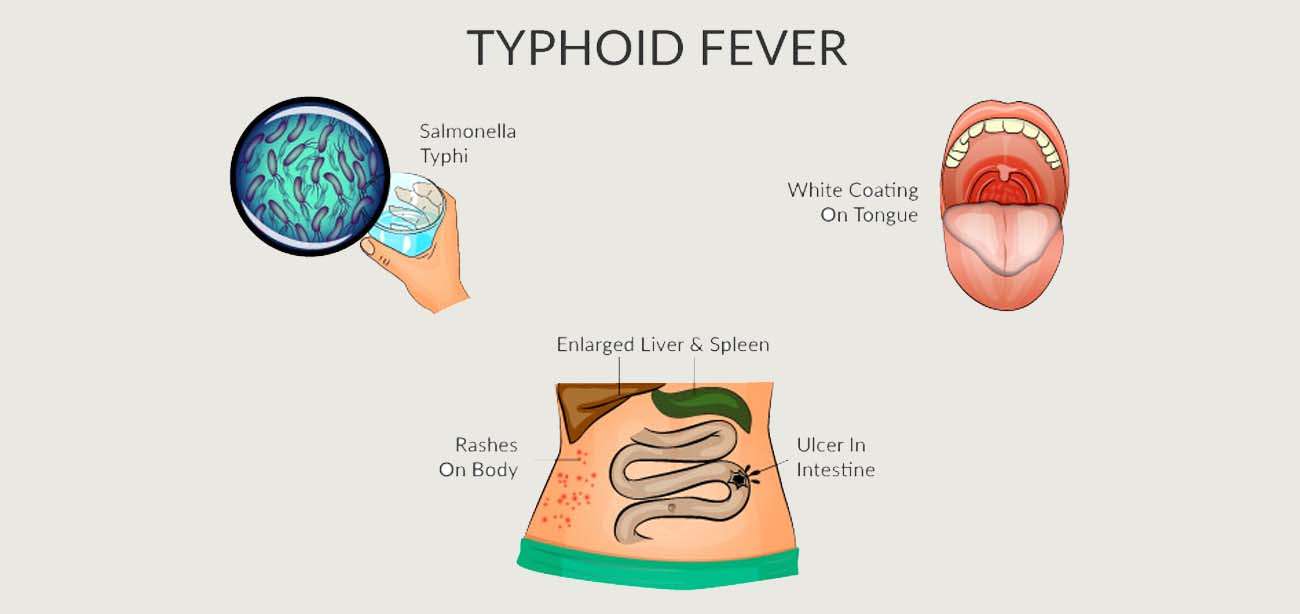
A condition characterized by elevated lipids in the bloodstream, hyperlipidemia increases the risk of cardiovascular diseases. Understanding its management is vital for heart health.
- Symptoms: Typically asymptomatic; however, it may lead to chest pain or heart attack in severe cases.
- Causes:
TYPE 2 DIABETES MELLITUS
This chronic condition affects how your body processes glucose, leading to elevated blood sugar levels. Management is crucial to prevent complications.
- Symptoms: Increased thirst, frequent urination, fatigue, blurred vision.
- Causes: A combination of insulin resistance and insufficient insulin production; obesity plays a significant role.
- Diagnosis: Blood tests like HbA1c are utilized to confirm elevated glucose levels over time.
- Treatment: Emphasis on lifestyle changes such as diet control and regular exercise; medication may also be prescribed if necessary.
- What to Expect: Ongoing monitoring of blood sugar levels is essential for managing the disease effectively.
A proactive approach can significantly improve quality of life and prevent long-term complications associated with diabetes.
HYPERTENSION
High blood pressure, or hypertension, is a common condition that affects many adults. It can lead to serious health complications if left unmanaged.
- Symptoms: Often asymptomatic, but may include headaches, shortness of breath, and nosebleeds.
- Causes: Factors include genetics, obesity, lack of physical activity, and high salt intake.
- Diagnosis: Blood pressure is measured using a sphygmomanometer during routine check-ups.
- Treatment: Lifestyle changes like diet modification, exercise, and medications such as diuretics or ACE inhibitors can help manage the condition.
- What to Expect: Regular monitoring and adjustments to treatment plans may be necessary to keep blood pressure within a healthy range.
Controlling hypertension is essential for overall health and reduces the risk of heart disease and stroke.