
Dr Vishveshkar Du
About Me
Dr Vishveshkar Du
MBBS
General Physician
Biography
My Clinic
OPD Hours
| Monday | Morning | 10:00 AM | - | 02:00 PM |
| Evening | 06:00 PM | - | 09:00 PM | |
| Tuesday | Morning | 10:00 AM | - | 02:00 PM |
| Evening | 06:00 PM | - | 09:00 PM | |
| Wednesday | Morning | 10:00 AM | - | 02:00 PM |
| Evening | 06:00 PM | - | 09:00 PM | |
| Thursday | Morning | 10:00 AM | - | 02:00 PM |
| Evening | 06:00 PM | - | 09:00 PM | |
| Friday | Morning | 10:00 AM | - | 02:00 PM |
| Evening | 06:00 PM | - | 09:00 PM | |
| Saturday | Morning | 10:00 AM | - | 02:00 PM |
| Evening | 06:00 PM | - | 09:00 PM | |
| Sunday | Morning | 10:00 AM | - | 02:00 PM |
| Evening | 06:00 PM | - | 09:00 PM |
Treatments
Specialised care and treatments offered
ANEMIA EVALUATION AND MANAGEMENT
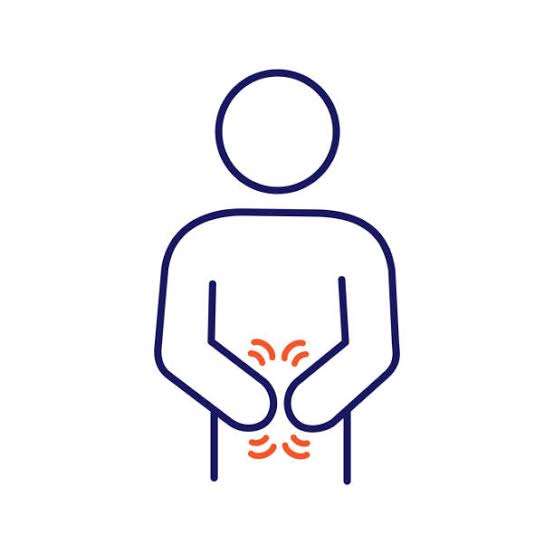
Anemia represents a decrease in red blood cells or hemoglobin within the bloodstream affecting overall oxygen delivery throughout the body. Identifying anemia early enhances treatment effectiveness considerably leading towards improved vitality again!
- The most common types include iron-deficiency anemia characterized by fatigue and pallor among other potential symptoms as well!
- Diagnosis relies chiefly upon complete blood count tests revealing critical hemoglobin levels alongside additional testing layered accordingly based specifically upon identified deficiency-types present within patients' results overall!
GASTROESOPHAGEAL REFLUX DISEASE (GERD)

Gastroesophageal reflux disease (GERD) occurs when stomach acid frequently flows back into the esophagus. Acknowledging GERD helps minimize discomfort through effective treatment approaches focused on lifestyle adaptations rather than invasive procedures.
- Symptoms often include heartburn or acid regurgitation following meals; chronic coughing may also manifest especially at night.
- Diagnosis generally consists of patient history reviews coupled with endoscopy when deemed appropriate.
- Treatment options primarily involve dietary changes such as avoiding spicy foods combined with antacid medications to alleviate symptoms effectively.
- Patients should anticipate needs for ongoing care potentially involving periodic assessments ensuring that symptom control remains adequate for overall quality of life.
Living well despite GERD starts with understanding risk factors while adopting manageable solutions designed specifically towards relieving symptoms without reliance on surgical interventions.
RESPIRATORY INFECTIONS

Respiratory infections impact millions worldwide each year. Understanding these infections helps patients recognize symptoms early for timely medical intervention.
- Common respiratory infections include the flu, pneumonia, and bronchitis; symptoms often encompass coughing, difficulty breathing, and chest pain.
- Disease identification typically stems from clinical examinations combined with symptom assessment; further tests may include imaging or cultures when necessary.
- Treatment generally includes rest, hydration, over-the-counter medications for symptom relief while antiviral or antibiotic medications might be prescribed based on the diagnosis type.
- A patient's recovery monitored through follow-up visits will ensure complications are avoided while providing support for returned health status.
Awareness about respiratory infections enables early action to facilitate effective recovery while protecting oneself from severe outcomes like hospitalizations.
CHOLESTEROL MANAGEMENT
Elevated cholesterol levels can lead to cardiovascular diseases over time. Recognizing this issue early allows for more effective intervention strategies that prioritize heart health.
- High cholesterol usually presents no symptoms but can be identified through routine blood tests assessing lipid profiles.
- This condition's key contributing factors include poor diet, obesity, lack of exercise, and genetics.
- A healthy lifestyle, including dietary changes like consuming Omega-3 fatty acids and engaging in regular physical activity are critical first steps in managing cholesterol levels effectively.
- Regular check-ups help in monitoring cholesterol levels to determine if treatment plans need updates or if medications are required as part of the strategy.
Total wellness strategies focusing on heart health can yield great benefits by lowering risks associated with high cholesterol levels.
DIABETES MANAGEMENT

Diabetes is a chronic condition that affects how your body converts food into energy. Managing diabetes involves understanding its implications on daily life and taking proactive steps for effective control.
- The primary types are Type 1 and Type 2 diabetes, each with distinct underlying causes and symptoms like increased thirst and frequent urination.
- A blood test is conducted to diagnose diabetes and monitor blood sugar levels regularly for ongoing management.
- Lifestyle modifications including healthy eating habits, physical activity, and sometimes medication play significant roles in managing this condition.
- Patients should expect regular follow-up appointments to track their progress and make any needed adjustments to their care plan.
With proper management strategies in place, individuals with diabetes can lead fulfilling lives while minimizing long-term complications.
HYPERTENSION MANAGEMENT
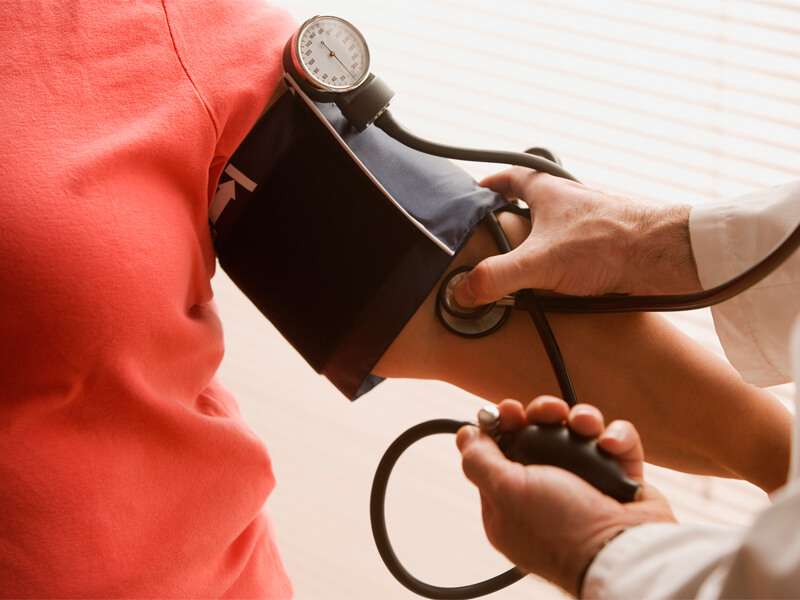
Hypertension, or high blood pressure, is a common condition that often develops over many years. It can lead to serious health problems if not managed effectively. Understanding hypertension is crucial for preventive health measures.
- Symptoms may include headaches, shortness of breath, and nosebleeds, although it can often be asymptomatic.
- Blood pressure is typically diagnosed using a sphygmomanometer during routine check-ups.
- Treatment usually focuses on lifestyle changes such as a balanced diet, regular exercise, and stress reduction; medication may also be necessary in some cases.
- Routine monitoring of blood pressure levels is essential to assess management effectiveness and make necessary adjustments.
Managing hypertension can significantly reduce the risk of heart disease and stroke, leading to a healthier life.