
Dr Vishwas Gupta
About Me
Dr Vishwas Gupta
DO
Ophthalmologist
10 Years Experience
Biography
My Clinic
OPD Hours
| Monday | Morning | 10:00 AM | - | 02:00 PM |
| Evening | 06:00 PM | - | 09:00 PM | |
| Tuesday | Morning | 10:00 AM | - | 02:00 PM |
| Evening | 06:00 PM | - | 09:00 PM | |
| Wednesday | Morning | 10:00 AM | - | 02:00 PM |
| Evening | 06:00 PM | - | 09:00 PM | |
| Thursday | Morning | 10:00 AM | - | 02:00 PM |
| Evening | 06:00 PM | - | 09:00 PM | |
| Friday | Morning | 10:00 AM | - | 02:00 PM |
| Evening | 06:00 PM | - | 09:00 PM | |
| Saturday | Morning | 10:00 AM | - | 02:00 PM |
| Evening | 06:00 PM | - | 09:00 PM | |
| Sunday | Morning | 10:00 AM | - | 02:00 PM |
| Evening | 06:00 PM | - | 09:00 PM |
Treatments
Specialised care and treatments offered
REFRACTIVE ERROR CORRECTION
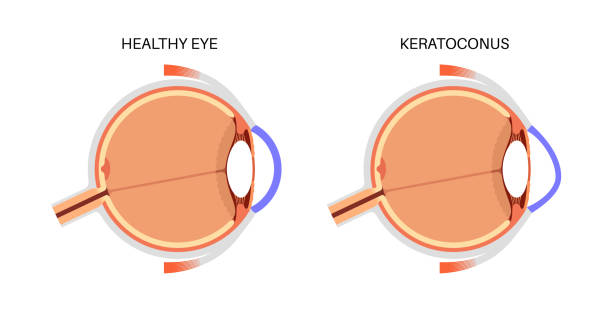
Anomalies in how eyes focus light on the retina cause blurred vision known as refractive errors. These include nearsightedness (myopia), farsightedness (hyperopia), astigmatism, and presbyopia affecting various age groups differently.
- Main Signs & Causes: Symptoms include blurry distance or near vision accompanied sometimes by headaches; structural differences in eyeball shape are primary causes.
- Diagnostic Approach: Comprehensive refraction tests measure focusing ability using lenses during an eye exam.
- Treatment Choices: Corrective lenses such as glasses or contact lenses remain safe mainstays while refractive surgeries offer permanent correction options depending on patient suitability.
- User Expectations: Most patients achieve clear functional sight improving day-to-day activities dramatically; lifespan adjustments needed as eyesight changes over time.
The availability of multiple corrective methods allows individualized choices supporting optimal visual comfort across different lifestyle needs. p>
AGE-RELATED MACULAR DEGENERATION (AMD) CARE
This progressive disorder affects central vision by damaging the macula within the retina. It primarily occurs in older adults leading to difficulty with detailed tasks such as reading or recognizing faces.
- Disease Characteristics and Risk Factors:
DRY EYE SYNDROME TREATMENT
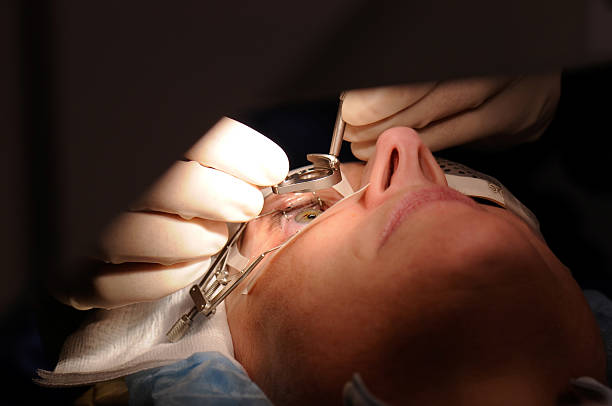
This common condition arises when tears fail to adequately lubricate the eyes resulting in discomfort and potential damage to the ocular surface over time.
- Main Symptoms and Causes: Burning sensation, redness, grittiness; causes include reduced tear production or excessive tear evaporation due to environmental factors or aging.
- Assessment Techniques: Tear film tests such as Schirmer's test combined with clinical examination evaluate severity and type of dryness involved.
- Treatment Modalities: Artificial tears for supplementation, lifestyle modifications like humidifiers, punctal plugs for severe cases help retain natural tears longer.
- User Guidance: Consistency in therapy application is important; addressing contributing factors like screen use enhances results.
A tailored treatment plan improves comfort substantially. Patients benefit from understanding their specific dry eye subtype for proper management effectiveness.
DIABETIC RETINOPATHY CARE
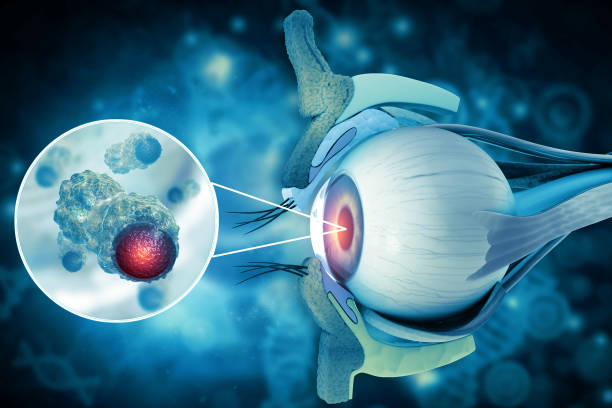
A complication from uncontrolled diabetes that damages blood vessels in the retina, potentially leading to vision impairment or blindness if ignored.
- Symptoms and Causes: May include blurred or fluctuating vision; caused by high blood sugar damaging retinal microvasculature over time.
- Diagnostic Methods: Detailed retinal examination with dilated pupils and imaging like optical coherence tomography (OCT) to detect vessel changes or swelling.
- Treatment Strategies: Controlling blood glucose levels remains vital; advanced cases might require laser therapy or intravitreal injections to prevent progression.
- Lifelong Monitoring: Regular ophthalmic evaluations help detect new complications early to minimize permanent damage.
A proactive approach combining metabolic control with specialized eye care reduces risks of severe outcomes associated with diabetic retinopathy.
GLAUCOMA MANAGEMENT
This group of eye diseases damages the optic nerve, often linked with increased pressure inside the eye. Left untreated, it can cause irreversible vision loss and blindness.
- Symptoms and Causes: Often asymptomatic in early stages; gradual peripheral vision loss; caused by impaired fluid drainage increasing intraocular pressure.
- Diagnosis: Tonometry to measure eye pressure, optic nerve assessment via ophthalmoscopy, visual field testing for functional impact.
- Treatment Approaches: Eye drops reducing pressure, laser therapy, or surgery may be used depending on disease severity and progression risk.
- Monitoring: Regular follow-ups are crucial to adjust treatment plans as glaucoma often requires lifelong management.
Sustained control of eye pressure preserves remaining vision. Early detection through routine screenings benefits especially those with risk factors such as family history or diabetes.
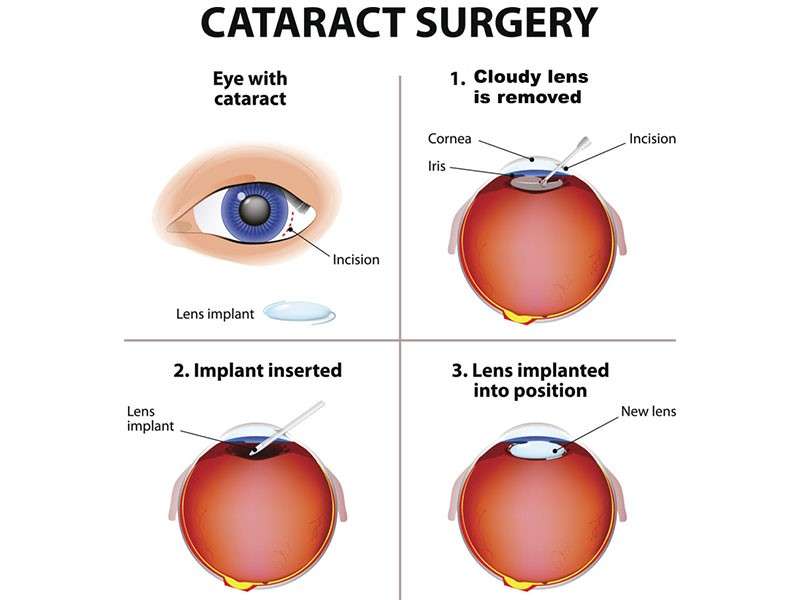
CATARACT SURGERY
Cataracts occur when the natural lens of the eye becomes clouded, leading to blurry vision and difficulty seeing in low light. This condition most commonly affects older adults but can develop at any age due to various factors.
- Symptoms and Causes: Gradual decline in vision clarity, halos around lights, sensitivity to glare, and faded colors; caused by aging, diabetes, trauma, or prolonged UV exposure.
- Diagnosis: Comprehensive eye examination including visual acuity tests and slit-lamp evaluation to assess lens opacity.
- Treatment Options: When vision impairment begins to affect daily activities, surgical removal of the cloudy lens followed by implantation of an artificial intraocular lens is recommended.
- Procedure Expectations: The surgery is typically outpatient with minimal discomfort; recovery includes avoiding strenuous activity and using prescribed eye drops.
Modern cataract surgery is highly successful and can significantly improve quality of life by restoring clear sight. Early diagnosis helps determine optimal timing for intervention.