
Dr Vivek Gautam
About Me
Dr Vivek Gautam
BDS
Dentist
10 Years Experience
Biography
My Clinic
OPD Hours
| Monday | Morning | 10:00 AM | - | 02:00 PM |
| Evening | 06:00 PM | - | 09:00 PM | |
| Tuesday | Morning | 10:00 AM | - | 02:00 PM |
| Evening | 06:00 PM | - | 09:00 PM | |
| Wednesday | Morning | 10:00 AM | - | 02:00 PM |
| Evening | 06:00 PM | - | 09:00 PM | |
| Thursday | Morning | 10:00 AM | - | 02:00 PM |
| Evening | 06:00 PM | - | 09:00 PM | |
| Friday | Morning | 10:00 AM | - | 02:00 PM |
| Evening | 06:00 PM | - | 09:00 PM | |
| Saturday | Morning | 10:00 AM | - | 02:00 PM |
| Evening | 06:00 PM | - | 09:00 PM | |
| Sunday | Morning | 10:00 AM | - | 02:00 PM |
| Evening | 06:00 PM | - | 09:00 PM |
Treatments
Specialised care and treatments offered
DENTAL EMERGENCIES
Dentists often deal with emergencies that require immediate attention such as fractures from accidents or sudden onset of severe pain associated with other conditions. Recognizing these emergencies ensures prompt intervention before resulting in severe consequences!
- Signs indicating dental emergencies include broken braces wires causing discomfort; traumatic injuries resulting in knocked-out teeth; uncontrolled bleeding from abrupt gum-related issues which necessitate quick action!
Treatment options vary widely based depending on situation specifics - ranging from repositioning dislodged elements quickly back into place through stitches if needed alongside prescribed medications targeting pain management post-intervention.
Your well-being matters!Please consult us whenever you feel unsure about any symptom you're experiencing.
CAVITIES & FILLINGS
Cavities are small holes in the hard surface of your teeth caused by decay. If left untreated, they can lead to more serious dental problems like infections or abscesses. Fillings restore lost structure once cavities are cleaned out by a dentist.
- Common symptoms include sensitive spots on teeth when consuming sweet foods or beverages as well as visible discoloration on tooth surfaces.
- A dentist diagnoses cavities through visual examination combined with X-ray imaging where necessary to detect deeper damage beneath enamel layers
- Treatment starts with removing decayed portions using specific instruments followed by filling it with materials such as resin composite or amalgam which blend well aesthetically while providing durability
Timely intervention not only alleviates discomfort but also maintains overall dental health and function effectively over time!
TOOTH EXTRACTION
Tooth extraction is a necessary procedure in cases where a tooth is irreparably damaged due to decay or trauma. The removal of such teeth can help alleviate pain and prevent future complications.
- Indicators for extraction may include severe toothache, visible infection in gums near the affected tooth, or advanced periodontal disease affecting stability.
- An oral examination along with imaging techniques assists in determining whether extraction is appropriate for you.
- The procedure involves numbing of the area followed by careful removal; recovery typically involves some discomfort managed by prescribed analgesics.
Post-extraction care is vital in ensuring quick recovery while preventing potential dry socket complications. Regular follow-up can help monitor healing progress effectively.
PERIODONTAL DISEASE
Periodontal disease refers to infections of the structures around the teeth, which includes gums and bone. It's primarily caused by poor oral hygiene practices leading to plaque buildup on teeth.
- Symptoms typically involve swollen or bleeding gums, persistent bad breath, and loose teeth as the condition progresses.
- Dental examination is essential for diagnosis; dentists may use probing methods to check gum depth and X-rays to assess bone loss around teeth.
- Treatment may range from professional cleanings (scaling) to surgical procedures depending on severity. Good oral hygiene habits must be followed post-treatment.
Early detection is crucial as it prevents further complications that can lead to tooth loss and systemic health issues.
DENTAL IMPLANTS
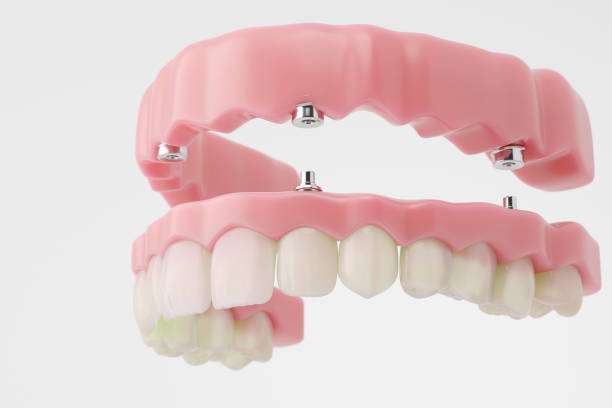
Dental implants are titanium posts surgically inserted into the jawbone to act as artificial roots for replacement teeth. They provide a strong foundation for fixed or removable teeth that are made to match your natural ones.
- Common causes for needing an implant include loss due to injury or serious decay.
- A thorough oral exam, often including X-rays or 3D imaging, helps determine if implants are suitable for you.
- The process usually spans several months, encompassing placement of the implant, healing time, and fitting of custom crowns.
- With proper care, dental implants can last many years and offer excellent functionality and aesthetics.
This modern solution provides an effective way for restoring your smile while enhancing chewing efficiency and speaking ability.
ROOT CANAL TREATMENT
Root canal treatment is a dental procedure aimed at saving a tooth that is badly decayed or infected. This procedure involves removing the damaged pulp of the tooth and sealing it to prevent further infection.
- Symptoms may include severe toothache, prolonged sensitivity to hot or cold, and swelling around the gums.
- A dentist will usually diagnose the need for a root canal through dental X-rays and clinical examination to assess the extent of tooth damage.
- Treatment generally involves several steps: cleaning out the infected pulp, shaping the inner chamber, and sealing it with a rubber-like material called gutta-percha.
- After treatment, patients can expect some soreness but this can usually be managed with over-the-counter pain relief.
Overall, this procedure not only alleviates pain but also preserves your natural tooth structure for future use.