
Dr Vivek Jain Bha
About Me
Dr Vivek Jain Bha
MBBS
Therapist
10 Years Experience
Biography
My Clinic
OPD Hours
| Monday | Morning | 10:00 AM | - | 02:00 PM |
| Evening | 06:00 PM | - | 09:00 PM | |
| Tuesday | Morning | 10:00 AM | - | 02:00 PM |
| Evening | 06:00 PM | - | 09:00 PM | |
| Wednesday | Morning | 10:00 AM | - | 02:00 PM |
| Evening | 06:00 PM | - | 09:00 PM | |
| Thursday | Morning | 10:00 AM | - | 02:00 PM |
| Evening | 06:00 PM | - | 09:00 PM | |
| Friday | Morning | 10:00 AM | - | 02:00 PM |
| Evening | 06:00 PM | - | 09:00 PM | |
| Saturday | Morning | 10:00 AM | - | 02:00 PM |
| Evening | 06:00 PM | - | 09:00 PM | |
| Sunday | Morning | 10:00 AM | - | 02:00 PM |
| Evening | 06:00 PM | - | 09:00 PM |
Treatments
Specialised care and treatments offered
DEPRESSIVE EPISODE
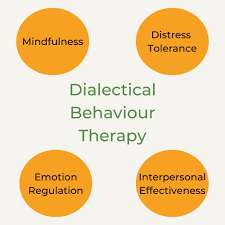
A depressive episode involves persistent feelings of sadness, loss of interest in activities once enjoyed, along with various physical symptoms that last for at least two weeks. It impairs social interactions and occupational performance substantially if left unaddressed.
- The common symptoms: low mood most days, reduced energy levels, difficulty sleeping or oversleeping changes appetite patterns notably weight fluctuations;
- A systematic clinical evaluation helps exclude medical causes while confirming the depressive syndrome;
- Evidenced-based TREATMENT MODALITIES INCLUDE PSYCHOTHERAPIES SUCH AS COGNITIVE BEHAVIORAL THERAPY AND PHARMACOTHERAPY WHERE INDICATED;
- LIFESTYLE MODIFICATIONS AND SUPPORTIVE COUNSELING ALSO PLAY SIGNIFICANT ROLES IN MANAGING SYMPTOMS EFFECTIVELY;
- PATIENTS SHOULD EXPECT GRADUAL IMPROVEMENT OVER SEVERAL WEEKS WITH CONSISTENT ADHERENCE TO TREATMENT PLANS;
Acknowledging depressive episodes promptly ensures better outcomes enhancing overall emotional health maintenance moving forward;
ACUTE STRESS REACTION
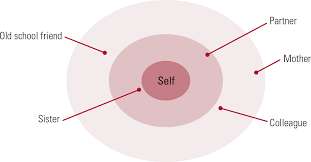
An acute stress reaction occurs shortly after experiencing a highly stressful or traumatic event. It manifests as transient disturbance in emotional equilibrium requiring immediate attention for symptom relief and normalization.
- Younger individuals commonly report symptoms such as anxiety, confusion, irritability, difficulty concentrating immediately post-event (sudden onset characteristic).
- The differential diagnosis process distinguishes this reaction from longer-term disorders like PTSD through timing criteria (usually resolves within days).
- Treatment primarily involves psychological first aid—providing reassurance plus supportive counseling to stabilize mood states early on.
- Coping guidance encourages rest along with gradual re-engagement in everyday activities avoiding social isolation whenever possible.
........ . . . . . . .. . . . . . . . .... . . Affected individuals typically recover fully within weeks provided they receive timely care without complications developing into more serious mental illness subsets.
OBSESSIVE-COMPULSIVE DISORDER (OCD)
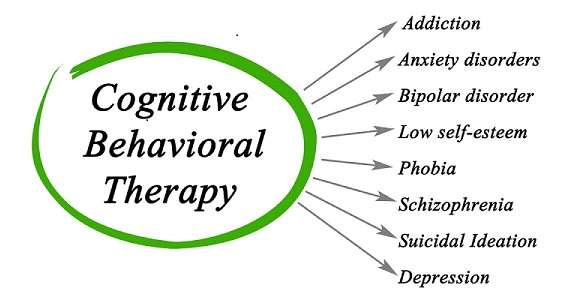
This mental health condition involves repetitive thoughts (obsessions) that compel individuals towards specific actions (compulsions) aimed at reducing anxiety. OCD significantly disrupts normal routines if untreated.
- Sufferers experience persistent obsessions, such as contamination fears or need for symmetry; compulsions may include excessive cleaning or checking behaviors.
- A detailed clinical assessment rules out other psychiatric disorders before diagnosis confirmation.
- Mainstay treatment: exposure and response prevention (ERP), a form of CBT tailored for OCD; medication such as SSRIs may complement therapy when needed.
- Lifestyle adjustments focus on stress reduction techniques to minimize relapse risk over time.
An effective treatment regimen leads most patients toward regained control over their impulses and improved daily functioning over weeks to months of therapy engagement.
POST-TRAUMATIC STRESS DISORDER (PTSD)
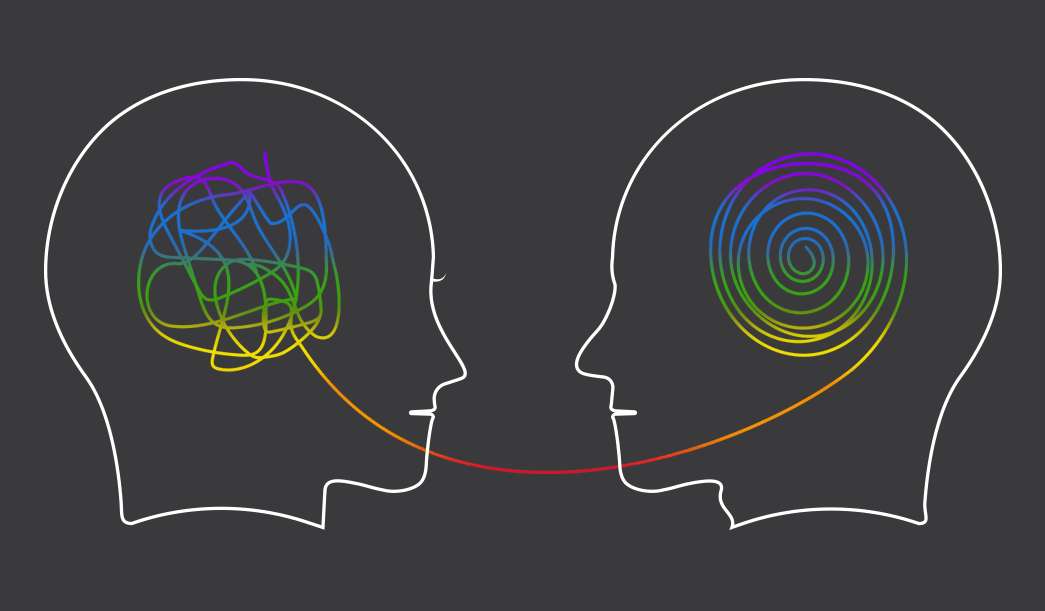
This disorder arises following exposure to traumatic events such as accidents or violence. It can lead to long-lasting psychological distress affecting daily functioning.
- Main symptoms: intrusive memories or flashbacks, avoidance behaviors, hypervigilance, sleep disturbances, mood swings.
- The diagnosis depends on evaluating symptom duration (more than one month) alongside impact on social/occupational life.
- Treatment approaches include trauma-focused therapies like EMDR or CBT, often combined with medication for symptom relief.
- Coping strategies emphasize building resilience through support groups and stress management exercises.
- The course varies per individual but many achieve significant improvement with dedicated care plans.
Acknowledging trauma's effects and seeking specialized treatment early improves chances for recovery and emotional well-being restoration.
PANIC ATTACKS
Panic attacks involve sudden bursts of overwhelming fear accompanied by physical symptoms that mimic serious medical conditions. These episodes often occur unexpectedly and can be frightening for patients.
- The primary symptoms include chest pain, palpitations, sweating, trembling, and a feeling of losing control.
- A thorough differential diagnosis, including ruling out cardiac issues, is essential before confirming panic attacks.
- Treatment typically combines psychotherapy such as CBT with lifestyle modifications; medications may be prescribed in certain scenarios.
- An important part of management is educating patients about the benign nature of the attacks despite their intensity.
- Patients are encouraged to develop personalized strategies to recognize early warning signs and mitigate severity.
Although distressing during occurrences, panic attacks are manageable conditions with appropriate intervention and support systems in place.
ACUTE ANXIETY DISORDER
Acute anxiety disorder is characterized by a sudden onset of intense fear or worry that can interfere with daily activities. This condition often presents rapidly and requires prompt attention to manage symptoms effectively.
- Symptoms include rapid heartbeat, shortness of breath, dizziness, and overwhelming feelings of panic or dread.
- Diagnosis involves clinical assessment through patient history and symptom evaluation, sometimes supplemented with questionnaires.
- Treatment options include cognitive-behavioral therapy (CBT), relaxation techniques, and short-term medication in some cases.
- Management focuses on identifying triggers and developing coping mechanisms to reduce recurrence.
- Outlook is generally positive with timely intervention and adherence to therapy plans.
If left untreated, acute anxiety episodes may escalate or persist. Early recognition and consistent care can significantly improve quality of life.