
Dr Vivek JainSak
About Me
Dr Vivek JainSak
MD
Diabetologist
Biography
My Clinic
OPD Hours
| Monday | Morning | 10:00 AM | - | 02:00 PM |
| Evening | 06:00 PM | - | 09:00 PM | |
| Tuesday | Morning | 10:00 AM | - | 02:00 PM |
| Evening | 06:00 PM | - | 09:00 PM | |
| Wednesday | Morning | 10:00 AM | - | 02:00 PM |
| Evening | 06:00 PM | - | 09:00 PM | |
| Thursday | Morning | 10:00 AM | - | 02:00 PM |
| Evening | 06:00 PM | - | 09:00 PM | |
| Friday | Morning | 10:00 AM | - | 02:00 PM |
| Evening | 06:00 PM | - | 09:00 PM | |
| Saturday | Morning | 10:00 AM | - | 02:00 PM |
| Evening | 06:00 PM | - | 09:00 PM | |
| Sunday | Morning | 10:00 AM | - | 02:00 PM |
| Evening | 06:00 PM | - | 09:00 PM |
Treatments
Specialised care and treatments offered
CONTINUOUS GLUCOSE MONITORING (CGM)

This innovative technology enables individuals with diabetes to track their glucose levels continuously throughout the day. CGM systems provide invaluable insights into how dietary choices affect blood sugar fluctuations over time while also identifying patterns that require intervention strategies.
- EASE OF USE: Patients wear small sensors attached under their skin that send data wirelessly via smartphone apps
- BENEFITS: Such systems help improve overall glycemic control by allowing timely adjustments based on real-time feedback
- PATTERNS & TRENDS: Users quickly learn what actions positively impact their own bodies worth considering when planning meals/activities
Incorporating CGM into personalized treatment regimes proves instrumental toward achieving optimal results tailored uniquely toward each patient’s needs
DIABETES PREVENTION PROGRAM
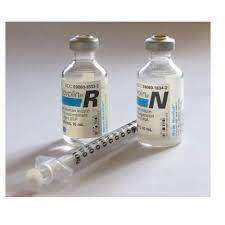
A structured diabetes prevention program offers guidance for individuals at high risk of developing Type 2 diabetes. These programs emphasize education on lifestyle modifications that promote balanced health outcomes and lower disease incidence rates among at-risk populations.
- TARGET POPULATIONS: Ideal candidates include those with elevated BMI or family histories of the disease.
- SIGNIFICANT STRATEGIES: Core components entail nutritional counseling paired with exercise regimens tailored individually.
- METHODOLOGY: Programs typically utilize a combination of group meetings along with personal coaching sessions for maximum engagement
- COST-EFFECTIVENESS: Investing in preventative care ultimately reduces long-term healthcare costs associated with advanced diabetic conditions
Implementing preventive measures today safeguards future generations against life's challenges posed by chronic illnesses like diabetes
DIABETIC NEUROPATHY CARE
This complication stemming from uncontrolled diabetes affects nerve fibers throughout the body. Diabetic neuropathy can lead to significant discomfort if left unmanaged; hence early detection is crucial for effective treatment outcomes.
- Sensory Symptoms: Common signs include tingling, numbness, or pain in extremities like hands or feet due to nerve damage.
- Causative Factors: Poorly controlled blood sugar levels over time contribute significantly to nerve deterioration.
- Disease Management Approaches: Treatment often requires a multi-faceted approach involving medication management alongside lifestyle changes targeting blood glucose control.
No individual should face these challenges without support; comprehensive care plans offer hope for improved quality of life despite diabetic complications like neuropathy.
INSULIN RESISTANCE ASSESSMENT
Understanding insulin resistance is vital in diagnosing metabolic disorders linked to diabetes. This condition signifies that the body's cells do not respond optimally to insulin, disrupting normal blood sugar regulation.
- Main Causes: Factors contributing include obesity, sedentary lifestyle, and genetic predisposition.
- Disease Indicators: Symptoms may include unexplained weight gain or difficulty losing weight despite efforts.
- Differential Diagnosis: Healthcare providers typically conduct tests such as fasting insulin levels along with glucose assessments.
- Treatment Protocols: Strategies commonly involve dietary adjustments focusing on low glycemic index foods alongside increased physical activity routines.
Catching insulin resistance early allows for more effective management strategies to maintain optimal health markers over time.
PREDIABETES SCREENING
Preadolescence is a critical time for identifying those at risk of developing Type 2 diabetes. Preadolescents display elevated blood sugar levels that are not yet high enough for a diabetes diagnosis but indicate potential future issues.
- Symptoms: Often asymptomatic; however, increased thirst and fatigue may occur.
- Diagnostic Tools: Blood tests such as fasting glucose or an oral glucose tolerance test help assess risk levels accurately.
- Intervention Strategies: Lifestyle changes including improved diet and increased physical activity can reverse prediabetes effectively.
- Your Health Plan: Regular follow-ups to monitor progress and adjust interventions as necessary play an essential role in this process.
A proactive approach can effectively prevent the progression from prediabetes to Type 2 diabetes.
TYPE 2 DIABETES MANAGEMENT
Managing Type 2 diabetes is crucial for preventing complications and ensuring a healthier life. This condition occurs when the body becomes resistant to insulin or doesn't produce enough of it, leading to elevated blood sugar levels.
- Common Symptoms: Increased thirst, frequent urination, fatigue, and blurred vision are typical early indicators.
- Diagnosis: Blood tests measuring glucose levels, including fasting blood sugar and HbA1c tests, are essential for confirming diabetes.
- Treatment Options: Management typically includes lifestyle changes such as diet modifications, regular exercise, and possibly medication or insulin therapy.
- Monitoring: Regular check-ups are important to track blood sugar levels and overall health.
- Expectations: With proper management, individuals can lead a healthy life and reduce the risk of complications.
Early intervention and sustained management can significantly enhance quality of life for those affected by this condition.
FAQs
What benefits do continuous glucose monitors provide?
'Do I need medication if my prediabetes diagnosis is confirmed?'
How important is regular monitoring of blood glucose?
What are the signs of diabetic neuropathy?
Consult your doctor promptly if you notice these symptoms after confirming your diagnosis through appropriate testing!