
Dr Vivek Mehan
About Me
Dr Vivek Mehan
Cardiologist
Biography
My Clinic
OPD Hours
| Tuesday | Morning | 10:00 AM | - | 02:00 PM |
| Evening | 06:00 PM | - | 09:00 PM | |
| Wednesday | Morning | 10:00 AM | - | 02:00 PM |
| Evening | 06:00 PM | - | 09:00 PM | |
| Thursday | Morning | 10:00 AM | - | 02:00 PM |
| Evening | 06:00 PM | - | 09:00 PM | |
| Friday | Morning | 10:00 AM | - | 02:00 PM |
| Evening | 06:00 PM | - | 09:00 PM | |
| Saturday | Morning | 10:00 AM | - | 02:00 PM |
| Evening | 06:00 PM | - | 09:00 PM | |
| Sunday | Morning | 10:00 AM | - | 02:00 PM |
| Evening | 06:00 PM | - | 09:00 PM | |
| Thursday | Morning | 10:00 AM | - | 02:00 PM |
| Evening | 06:00 PM | - | 09:00 PM |
Treatments
Specialised care and treatments offered
CHEST X-RAY

A chest X-ray is widely utilized as an initial evaluation tool for assessing various cardiac conditions. It provides two-dimensional images that help identify changes in size and shape associated with different diseases like cardiomegaly (enlarged heart).
- This imaging technique helps evaluate symptoms such as persistent coughs or unexplained shortness of breath related to potential cardiac issues among other respiratory concerns too.
- Initial diagnosis relies upon interpreting visible abnormalities alongside clinical assessment during consultations before conducting further tests as needed.
- Management approaches might range from medication interventions addressing underlying causes seen through these images to recommendations regarding lifestyle improvements necessary for optimal cardiovascular health.
- The exam involves minimal preparation; patients simply stand still while radiographers capture necessary images quickly without discomfort involved due mostly due careful shielding practices.
A chest X-ray serves as an important step toward accurately diagnosing complex cases requiring immediate attention from specialized care providers.
ELECTROPHYSIOLOGY STUDY
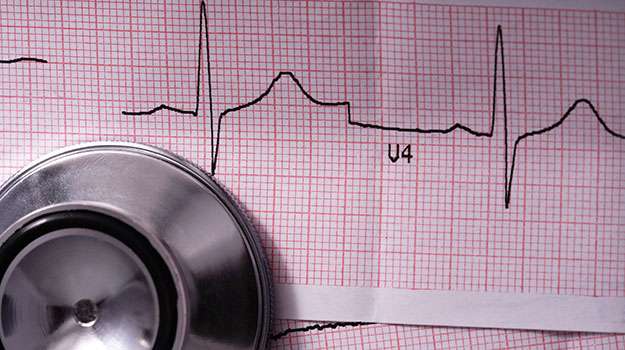
An electrophysiology study (EPS) examines electrical signals in the heart to diagnose arrhythmias. It's particularly useful when other tests do not provide sufficient information about abnormal heartbeat patterns.
- Patients may experience symptoms like rapid heartbeat, prolonged fainting episodes, or unusual fatigue that could warrant an EPS invitation by physicians after initial assessments.
- The diagnostic phase typically involves previous ECG readings and potentially additional tests to support determining if an EPS is necessary for deeper insight into arrhythmia causes.
- Therapeutic responses might entail medications aimed at controlling rhythm disturbances or could lead directly to ablation therapies based on study findings.
- The procedure usually requires minimal sedation as catheters are inserted via veins into the heart chambers while closely monitored by healthcare teams.
Understanding these electrical pathways enhances treatment precision for patients with complex arrhythmias.
CORONARY ANGIOGRAPHY
This specialized X-ray technique assesses blood flow through coronary arteries. Coronary angiography plays an essential role in diagnosing coronary artery disease (CAD).
- Painful symptoms such as angina or risk factors like high cholesterol may lead to recommendations for this diagnostic approach.
- The process begins with a thorough review of symptoms alongside imaging studies to determine necessity before proceeding with angiography.
- Potential treatments following discovery of blockages might include stent placement, bypass surgery, or lifestyle changes aimed at improving heart health.
- The procedure involves inserting a catheter into a blood vessel and using it to inject contrast dye, allowing clear visualization of arterial blockages on X-rays.
This method offers critical information needed for tailoring effective treatment strategies for CAD patients.
HOLTER MONITOR
A Holter monitor is a vital tool used for continuous monitoring of heart rhythms over 24-48 hours. This portable device helps detect arrhythmias or other cardiac abnormalities that may not be captured during a standard ECG.
- Common symptoms prompting its use include palpitations, dizziness, or fainting spells.
- A thorough initial consultation will guide doctors in identifying whether this monitoring is necessary based on signs and symptoms.
- Treatment may involve medication adjustments or further investigations depending on findings from the Holter monitor results.
- The procedure itself is simple; patients wear electrodes connected to the device while going about their normal activities during the monitoring period.
This extended observation can provide critical insights into intermittent heart issues that require attention.
STRESS TESTING
A stress test helps evaluate how well the heart performs under physical exertion. It measures the heart's ability to respond to stress while monitoring for any abnormalities.
- The primary indication for this test includes unexplained chest discomfort or assessing exercise capacity in patients with known heart disease.
- Doctors will review medical history and may perform an electrocardiogram (ECG) before and after exercise for accurate diagnosis.
- Management often includes lifestyle modification advice or medications tailored based on stress test results.
- During testing, continuous monitoring ensures patient safety while they walk on a treadmill or ride a stationary bike.
This assessment is significant for understanding functional capacity and identifying potential risks during physical activity.
ECHOCARDIOGRAM
An echocardiogram is a crucial tool in assessing cardiac function and structure. This non-invasive imaging technique uses sound waves to produce detailed images of the heart, helping to identify various heart conditions.
- Symptoms that may necessitate this test include chest pain, shortness of breath, or irregular heartbeats.
- Diagnosis involves reviewing the patient's medical history and performing a physical examination alongside the echocardiogram.
- Treatment options depend on findings from the test, which may involve medication, lifestyle changes, or further diagnostic procedures.
- Patients can expect a painless procedure that typically lasts about an hour and requires no special preparation.
Echocardiograms are integral in diagnosing heart disorders, providing valuable insights into heart health.