
Dr Vivek Rungta -
About Me
Dr Vivek Rungta -
MD
Dermatologist
10 Years Experience
Biography
My Clinic
OPD Hours
| Monday | Morning | 10:00 AM | - | 02:00 PM |
| Evening | 06:00 PM | - | 09:00 PM | |
| Tuesday | Morning | 10:00 AM | - | 02:00 PM |
| Evening | 06:00 PM | - | 09:00 PM | |
| Wednesday | Morning | 10:00 AM | - | 02:00 PM |
| Evening | 06:00 PM | - | 09:00 PM | |
| Thursday | Morning | 10:00 AM | - | 02:00 PM |
| Evening | 06:00 PM | - | 09:00 PM | |
| Friday | Morning | 10:00 AM | - | 02:00 PM |
| Evening | 06:00 PM | - | 09:00 PM | |
| Saturday | Morning | 10:00 AM | - | 02:00 PM |
| Evening | 06:00 PM | - | 09:00 PM | |
| Sunday | Morning | 10:00 AM | - | 02:00 PM |
| Evening | 06:00 PM | - | 09:00 PM |
Treatments
Specialised care and treatments offered
PLATELET-RICH PLASMA (PRP) THERAPY FOR HAIR LOSS
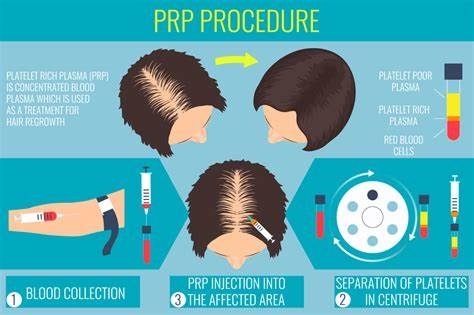
The use of platelet-rich plasma injections has emerged as a promising strategy to stimulate hair regrowth in androgenetic alopecia. PRP contains concentrated growth factors derived from the patient's own blood which promote follicular health.
- Treatment rationale: Growth factors activate dormant hair follicles encouraging new hair production mitigating progressive thinning;
- The procedure: Blood is drawn then centrifuged to isolate platelets injected into scalp regions exhibiting hair loss;
- No downtime: Sessions typically last 30–45 minutes with mild discomfort managed during injection process;
- Efficacy varies: Multiple sessions spaced weeks apart are generally needed; results appear gradually over months;
This biologically based approach leverages natural healing properties helping patients restore fuller hair density without systemic medication side effects.
RADIOFREQUENCY ABLATION FOR SKIN LESIONS
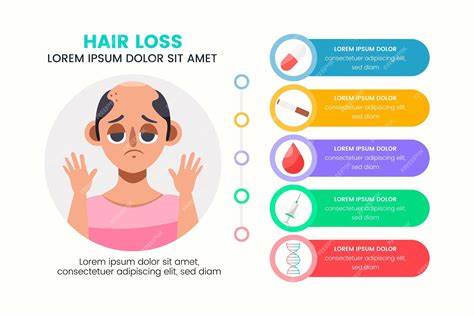
Radiofrequency ablation employs high-frequency electrical currents to precisely remove unwanted or abnormal skin lesions. It is an efficient option offering rapid recovery compared to conventional excision techniques.
- Spectrum of use: Suitable for warts, seborrheic keratoses, small benign growths, and certain pre-cancerous lesions located in accessible areas.
- Treatment mechanism: Energy delivered via specialized probes generates heat that destroys targeted tissue without extensive collateral damage;
- Treatment duration & comfort: Sessions are brief often performed under local anesthetic ensuring minimal discomfort during removal;
- Cautions post-procedure: Patients should follow wound care instructions closely minimizing infection risk optimizing healing;
This innovative technique offers precise lesion eradication preserving surrounding normal tissue integrity effectively.
DERMATOLOGIC COSMETIC SURGERY
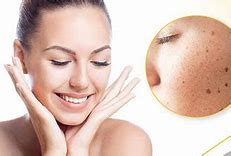
The field of dermatologic cosmetic surgery covers various procedures aimed at enhancing appearance and correcting structural skin issues. This includes excision of benign lesions and correction of contour deformities under local anesthesia.
- Treatments offered: Removal of moles, cysts, lipomas, and benign tumors while optimizing aesthetic outcomes.
- Surgical planning: Careful assessment ensures minimal scarring through precise incisions aligned with natural skin lines.
- Anesthesia & safety: Procedures are typically performed under local anesthesia in outpatient settings ensuring patient comfort and rapid recovery.
- Description of results: Most patients experience improved appearance with low complication rates when executed by trained specialists.
This branch combines medical expertise with artistic judgment to restore both function and confidence through targeted surgical interventions on the skin surface and underlying structures.
PHOTODYNAMIC THERAPY (PDT)
Photodynamic therapy utilizes a photosensitizing agent combined with specific light exposure to target abnormal or precancerous skin cells. This minimally invasive treatment can address conditions like actinic keratoses efficiently.
- Candidacy: Ideal for superficial lesions or widespread sun-damaged areas that require non-surgical intervention.
- Treatment steps: Application of a topical photosensitizer followed by activation using LED or other light sources after a designated incubation period.
- Efficacy: PDT selectively destroys diseased cells while sparing healthy surrounding tissues, reducing scarring risks associated with surgery.
- Avoidance post-procedure: Patients must limit sunlight exposure for several days due to heightened photosensitivity after treatment.
PDT provides an effective alternative for early-stage or superficial skin lesions with less downtime than traditional surgical methods.
LASER SKIN RESURFACING
Laser skin resurfacing is an advanced method to improve skin texture and reduce imperfections using targeted laser energy. It stimulates collagen production and removes damaged outer layers of skin.
- Uses: Treats wrinkles, scars, sun damage, and uneven pigmentation effectively.
- Assessment: A detailed evaluation determines skin type and appropriate laser settings to maximize safety and results.
- Treatment process: The controlled laser pulses vaporize damaged skin cells while promoting new healthy tissue growth underneath.
- Post-treatment care: Includes sun protection and moisturization; initial redness or swelling typically resolves in days to weeks depending on treatment depth.
This procedure offers a rejuvenated complexion by harnessing the body's natural healing responses through precision laser technology.
MOHS MICROGRAPHIC SURGERY
Mohs micrographic surgery is a precise surgical technique used to treat certain types of skin cancer. It allows for the complete removal of cancerous tissue while sparing as much healthy skin as possible.
- Indications: Often employed for basal cell carcinoma and squamous cell carcinoma, especially on the face or areas where preserving appearance is critical.
- Procedure: The surgeon removes the visible tumor layer by layer, examining each under a microscope immediately to check for cancer cells.
- Advantages: Ensures minimal healthy tissue removal with the highest cure rate compared to other methods.
- Recovery: May involve stitches; healing times depend on wound size and location but generally are favorable with proper care.
This surgery balances effective cancer treatment with cosmetic outcomes, making it an excellent option when accuracy is paramount.