
Dr Vivek Rungta S
About Me
Dr Vivek Rungta S
MD
Dermatologist
10 Years Experience
Biography
My Clinic
OPD Hours
| Monday | Morning | 10:00 AM | - | 02:00 PM |
| Evening | 06:00 PM | - | 09:00 PM | |
| Tuesday | Morning | 10:00 AM | - | 02:00 PM |
| Evening | 06:00 PM | - | 09:00 PM | |
| Wednesday | Morning | 10:00 AM | - | 02:00 PM |
| Evening | 06:00 PM | - | 09:00 PM | |
| Thursday | Morning | 10:00 AM | - | 02:00 PM |
| Evening | 06:00 PM | - | 09:00 PM | |
| Friday | Morning | 10:00 AM | - | 02:00 PM |
| Evening | 06:00 PM | - | 09:00 PM | |
| Saturday | Morning | 10:00 AM | - | 02:00 PM |
| Evening | 06:00 PM | - | 09:00 PM | |
| Sunday | Morning | 10:00 AM | - | 02:00 PM |
| Evening | 06:00 PM | - | 09:00 PM |
Treatments
Specialised care and treatments offered
ROSACEA
This chronic condition primarily affects facial areas characterized by flushing, redness along with visible blood vessels; sometimes accompanied by acne-like bumps too!
CONTACT DERMATITIS
This condition occurs when the skin comes into contact with an allergen or irritant leading to redness and itching. Identifying triggers is crucial in managing contact dermatitis effectively.
- The hallmark symptoms: Include redness swelling which could develop into blistering in severe cases;
MELASMA
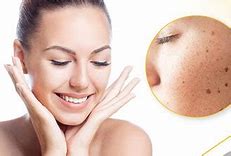
This common skin condition presents as brown or gray-brown patches on the face. Melasma is often triggered by hormonal changes and stress factors in many women during pregnancy or while taking oral contraceptives.
- Symptoms: Typically manifests on cheeks, forehead, chin, and above the lip as asymmetrical patches.
- Causes: Sun exposure increases melanin production; genetic factors may also contribute to its occurrence.
- Diagnosis: Diagnosis usually involves evaluating facial patterns alongside medical history assessment.
- Treatment methods: Options include topical lightening agents like hydroquinone along with rigorous sun protection measures.
- Management tips: Consistent use of sunscreen can prevent further darkening while regular dermatological evaluations keep track of progress.
With proactive care methods in place, achieving clearer skin is possible over time.
ACNE
A common skin disorder primarily affecting adolescents but also adults. Acne occurs when hair follicles become clogged with oil and dead skin cells leading to pimples or cysts.
- Symptoms: Characterized by whiteheads, blackheads, pimples, and possibly scars depending on severity.
- Causes: Hormonal changes during puberty and excess oil production are primary contributors while diet may also play a role for some individuals.
- Diagnosis: Diagnosis is made through visual inspection; additional tests might be necessary for cystic acne types.
- Treatment strategies: Options include topical retinoids, antibiotics, and lifestyle modifications aimed at reducing oiliness.
A comprehensive management plan can minimize breakouts significantly while improving self-esteem.
PSORIASIS
This chronic autoimmune condition leads to the rapid growth of skin cells, causing scaling and inflammation. Psoriasis often appears on various parts of the body and can significantly affect quality of life.
- Symptoms: Look for silvery patches on the skin that may become itchy or painful.
- Causes: The exact cause remains unclear but is believed to involve genetic predisposition combined with environmental triggers like stress or infections.
- Diagnosis: Diagnosing psoriasis generally involves examining the physical appearance of the skin.
- Treatment options: Treatments may include topical treatments, phototherapy, or systemic medications aimed at reducing cell turnover.
A tailored treatment approach will help manage symptoms effectively over time.
ECZEMA
Eczema is a common skin condition that results in inflammation, redness, and irritation. It usually manifests as dry, itchy patches on the skin, which can be incredibly uncomfortable.
- Symptoms: Common signs include intense itching, red or brownish-gray patches, and thickened or scaly skin.
- Causes: Eczema can arise from a combination of genetic and environmental factors, including allergens and irritants.
- Diagnosis: A dermatologist typically diagnoses eczema through a physical exam and patient history.
- Treatment: Hydration is key; emollients are often recommended along with topical corticosteroids to manage flare-ups.
- Management: Avoiding triggers such as harsh soaps or extreme temperatures can help control symptoms effectively.
With appropriate management strategies, individuals with eczema can lead comfortable lives without significant disruption.